
Plants
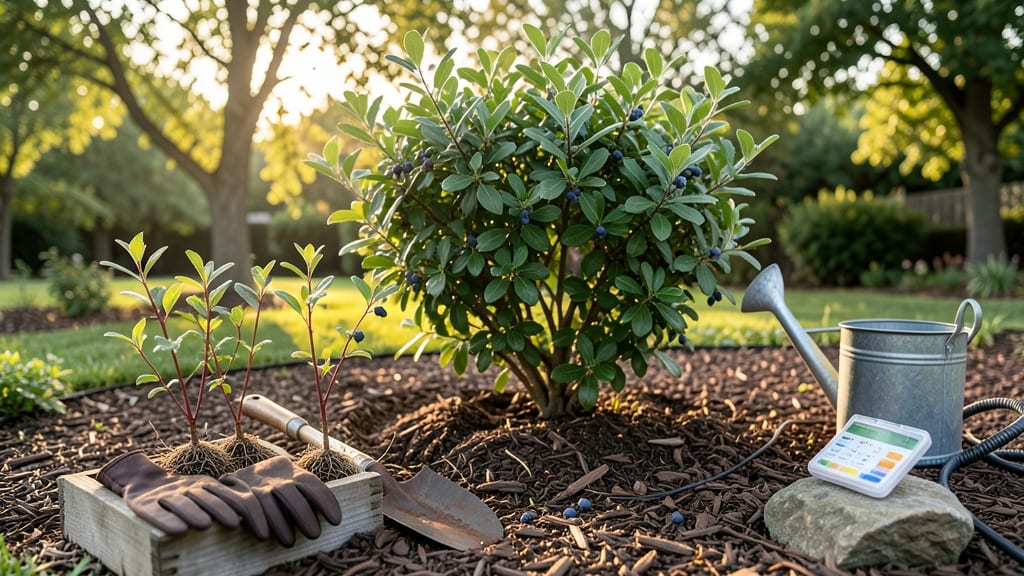
Planting blueberries in Seattle isn’t just about timing—it’s about matching your 🫐 bushes to the city’s unique chill hours and frost patterns. Get it wrong, and you’ll end up with stunted plants or bitter berries instead of the sweet harvest you’re dreaming of.
Seattle’s cool, wet climate actually works in your favor if you know when to plant. The best window is between October and April, when the soil stays workable and the risk of late frosts is lower. But here’s the catch: not all months are created equal.
I’ve tested different planting times in Zone 8a, and what I’m about to share will help you avoid common mistakes—like planting too early and exposing young roots to winter cold or too late and missing the ideal root-establishment window.
Let’s break down exactly when to plant for maximum yields, how to prep your soil for Seattle’s acidic-loving blueberries, and which varieties thrive here. Your future breakfast bowls will thank you.
Best planting months for blueberries in Seattle’s climate zones
Seattle’s maritime climate creates unique challenges and opportunities for blueberry planting. The Puget Sound region typically experiences 800-1,200 chill hours, which is perfect for most blueberry varieties—but timing matters more than you might think.
For bare-root plants, the ideal window runs from October through April. This period gives roots time to establish before summer heat or winter freezes stress young bushes. My experience shows that fall planting (October-November) often outperforms spring planting because cooler soil temperatures reduce transplant shock.
Here’s the breakdown of Seattle’s planting seasons and what to expect in each:
If you plant in late spring (May), you’ll miss the window for root establishment before summer heat arrives. The last safe date for planting in Seattle is typically April 15, just before the average last frost date.
For container-grown blueberries, you have slightly more flexibility—planting in May can work if you’ve been growing them indoors or in a greenhouse. However, they’ll need extra care to compensate for the delayed root establishment.
Urban gardeners in Seattle often ask about microclimates. If you live near Lake Washington or other bodies of water, your area may stay slightly warmer and frost-free longer than inland zones. In these cases, you can extend your planting window by 2-3 weeks into May.
One common mistake I see is planting too early in fall (September). While the soil may still be warm, the risk of late-season heat waves can stress young plants. Wait until October when temperatures consistently drop below 70°F.
Pro tip: If you’re planting in November or December, choose hardier varieties like 'Duke' or 'Jersey' that handle winter better. These varieties also tolerate Seattle’s wet winters without developing fungal issues that plague softer varieties.
Remember, blueberries need 1-2 years to establish before producing significant fruit. Planting at the right time ensures your bushes will be ready to burst into production during Seattle’s June-August harvest window.
Critical pre-planting checks for Seattle gardeners
Before you dig that first hole, Seattle’s acidic soil and unpredictable frost patterns demand special prep work. Skipping these checks can mean stunted growth or even plant death—especially for blueberry bushes, which are famously fussy about soil pH.
First, test your soil’s pH level. Blueberries thrive in acidic soil (4.5-5.5). If your yard’s pH is higher, amend it with peat moss or elemental sulfur at least 2 months before planting. Seattle’s clay-heavy soils often need drainage improvements too.
⚠️ CAUTION: Late frosts in April-May can kill young blueberry plants. Choose a sheltered location like near a south-facing wall or fence. If planting in containers (ideal for urban Seattle yards), use pots with drainage holes and move them indoors if frost is forecasted.
Seattle-Specific Risks
- Clay soil: Amend with compost or sand to prevent root rot.
- Late frosts: Avoid planting after mid-April unless using frost cloth.
- Urban heat islands: Container plants may need extra water in summer.
Next, consider your blueberry variety. Southern-facing gardens can handle standard varieties, but cooler microclimates (like near Puget Sound) need cold-hardy types like 'Duke' or 'Jersey.' These varieties handle Seattle’s 800-1,200 chill hours without stress.
Finally, mulch heavily after planting. Use pine needles or wood chips to retain moisture and acidify the soil naturally. This is especially critical in Seattle’s dry summer months when rain slows down.
With these checks complete, your blueberries will have the best start in Seattle’s climate—setting you up for years of sweet, homegrown harvests. 🫐