
Plants
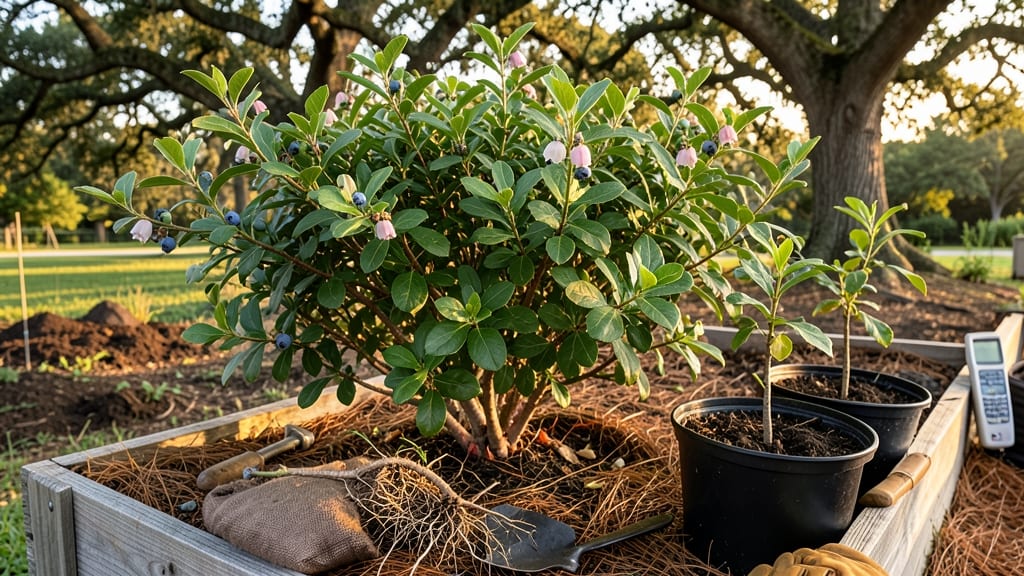
If you're dreaming of a backyard bursting with juicy 🫐 blueberries, timing your Mississippi planting is the game-changer between success and struggle. The state's unique chill-hour zones—especially 8A—demand precision, or your bushes might never produce that first sweet harvest.
Most gardeners assume spring is the only window, but in Mississippi, the ideal planting season stretches from late November through early March. This cooler period gives young roots time to establish before summer's relentless heat arrives. Skipping this window means battling heat stress or dealing with winter dormancy issues.
Here's the secret: matching your blueberry variety to Mississippi's climate is just as critical as the planting date. Rabbiteye varieties like 'Climax' thrive here, while highbush types need extra chill hours that Mississippi's warmer zones often lack. Let's break down exactly when and how to plant for maximum yield.
Whether you're planting in-ground or containers, we'll cover soil prep, frost protection tips, and the 3 key mistakes that sink even well-intentioned blueberry gardens. Your path to a bountiful harvest starts with these essential steps.
Best blueberry varieties for Mississippi’s chill-hour zones (8A-9B)
Mississippi’s 8A-9B climate demands blueberry varieties that thrive with fewer than 500 chill hours. Most traditional highbush varieties need 700-1000 chill hours, making them poor choices here. Instead, focus on southern highbush and rabbiteye types bred for warm winters. These varieties produce fruit reliably without needing extended cold periods.
The key is selecting varieties with 300-500 chill hours. For example, 'Climax' (a rabbiteye) needs just 300 chill hours, while 'Premier' (southern highbush) requires 400. Both flourish in Mississippi’s heat and humidity. Rabbiteye varieties like 'Tifblue' are also excellent, offering large, sweet berries with minimal care once established.
Another critical factor is maturity timing. Mississippi’s long growing season means early-maturing varieties (like 'Powderblue') ripen in late May-June, while late varieties (like 'Centennial') extend harvests into July-August. Planting a mix ensures a continuous supply of fresh berries.
🌱 Pro Tip: Always check the chill-hour requirement on the plant tag. Nurseries like Albion Nursery or Monterey Lawn & Garden stock Mississippi-approved varieties.
🌿 Blueberry Variety Comparison for Mississippi
| Variety | Type | Chill Hours | Flavor Profile | Mature Height | Best For |
|---|---|---|---|---|---|
| Climax | Rabbiteye | 300 | Sweet, firm | 6-8 ft | Home gardens, heat tolerance |
| Premier | Southern Highbush | 400 | Tart-sweet, juicy | 5-6 ft | Containers, urban areas |
| Tifblue | Rabbiteye | 350 | Large, mild | 8-10 ft | Commercial yields |
| Powderblue | Southern Highbush | 300 | Sweet, early ripening | 4-5 ft | Small spaces |
| Centennial | Southern Highbush | 450 | Balanced sweet-tart | 6-8 ft | Late-season harvests |
✅ All listed varieties thrive in Mississippi’s heat and humidity.
For container gardening, choose dwarf varieties like 'Powderblue' or 'Peach Sorbet' (a southern highbush). These stay under 4 feet tall and produce well in 15-gallon pots. Just ensure your container has drainage holes and use a peat-based potting mix to maintain acidity.
💡 Mississippi-Specific Tip: If you live in Zone 9B (e.g., Gulf Coast), avoid varieties needing over 400 chill hours. Even 'Premier' may struggle in extreme southern areas. Instead, opt for 'Climax' or 'Tifblue', which handle the heat better.
Finally, consider pollination needs. Most rabbiteye varieties are self-pollinating, but southern highbush types like 'Premier' benefit from planting a second variety nearby. For example, pair 'Premier' with 'Peach Sorbet' to boost fruit set.
🌿 Key Takeaway: Mississippi’s success with blueberries hinges on low-chill varieties and proper site selection. Skip the high-chill types, and your bushes will reward you with years of sweet harvests.
Step-by-step planting timeline for Mississippi’s climate
Mississippi’s cooler winter months create the perfect window for planting blueberries, but the exact timing depends on your USDA zone (8A-9B). In Zone 8A (North MS), aim for late November to early January, while Zone 9B (South MS) gardeners should plant between December and early March.
This schedule avoids summer heat stress and gives roots time to establish before spring growth.
Your first step is soil preparation. Blueberries demand acidic soil (pH 4.5-5.5)—test your soil 2-3 weeks before planting. If needed, amend with sulfur or peat moss to lower pH. Work in 3-4 inches of organic matter like composted pine needles or leaf mold to improve drainage and fertility.
Late November - Early January (Zone 8A) / December - Early March (Zone 9B)
Choose a sunny, sheltered spot with 6+ hours of sunlight and protection from strong winds. Containers work well in hotter Zone 9B areas.
Dig a hole twice as wide as the root ball but only as deep as the container. Loosen roots if pot-bound before planting.
Backfill with acidic soil mix and water thoroughly. Mulch with pine straw to retain moisture and acidity.
Install frost protection (row covers or mulch) if planting near March 15 last frost dates in Zone 9B.
For container planting, use pots at least 18 inches deep with drainage holes. Fill with a mix of 50% peat moss, 30% pine bark, and 20% perlite.
Place containers where roots won’t bake in summer—elevate off the ground and move to partial shade during peak heat (June-August).
After planting, water deeply every 7-10 days to encourage root growth. Avoid overhead watering to prevent fungal diseases like botrytis, common in Mississippi’s humid climate. In Zone 9B, young plants may need light shade cloth during summer to prevent leaf scorch.
Your blueberries will enter dormancy after planting, but spring pruning (February-March) is crucial. Remove dead or crossing branches to improve airflow and fruit production. In Zone 8A, expect first harvests in late May, while Zone 9B varieties may fruit slightly later due to warmer winters.
Remember: Patience is key—blueberries take 2-3 years to bear fruit. Consistent care during this timeline ensures your bushes thrive in Mississippi’s challenging climate, rewarding you with juicy, homegrown blueberries for decades. 🌱