
Plants
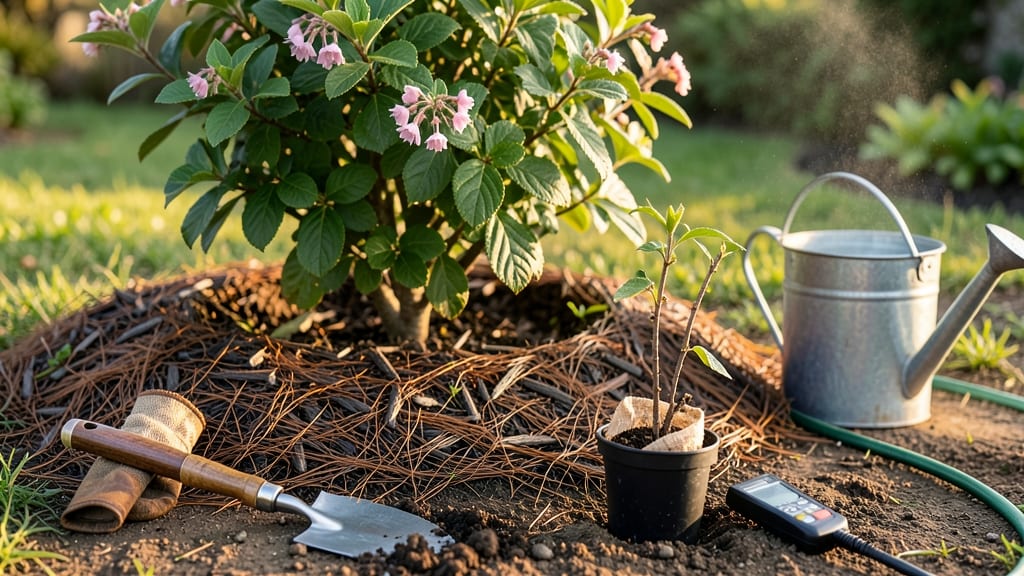
Planting blueberries at the wrong time in Massachusetts can mean the difference between a thriving 🫐 harvest and years of frustration—especially when dealing with the state’s 5b-6b climate zones and fickle chill hours.
Whether you're a first-time gardener or a seasoned grower, getting the timing right isn’t just about checking a calendar; it’s about matching your blueberry variety to your specific corner of New England.
Most gardeners in Massachusetts swear by early spring (March-April) or early fall (September-October) planting, but why? The answer lies in the plant’s need for 60-120 days of frost-free growing season and the critical window before the first frost hits around October 15.
I’ll break down exactly how to align your planting schedule with these factors to give your bushes the best possible start.
You’ll also discover whether bare-root or container-grown plants work better for your location, plus how to prepare your soil for Massachusetts’ acidic-loving blueberries. Trust me, skipping these steps could leave your bushes struggling—and your patience even thinner than New England winters.
Let’s dive into the exact planting timeline, variety recommendations, and pro tips that’ll have you harvesting sweet, juicy berries from July through August. Your future self (and your taste buds) will thank you!
Massachusetts chill-hour zones: how to match blueberry varieties to your location
Massachusetts spans USDA Zones 5b-6b, but blueberries thrive best when matched to specific chill-hour requirements. These hours—measured during winter dormancy—determine which varieties will fruit reliably. For example, 'Bluecrop' (450–600 hours) thrives in western MA, while 'Duke' (800+ hours) suits northern regions like the Berkshires.
Coastal areas (e.g., Cape Cod) often see fewer chill hours (400–500) due to milder winters, while inland zones (e.g., Worcester) reach 700–900 hours. Always check your local chill-hour map—a mismatch can lead to poor flowering or no fruit.
Here’s how to decode your zone: Use the summary table below to pair varieties with your location’s chill hours. For instance, if you’re in Zone 6a (500–600 hours), 'Jersey' or 'Patriot' are ideal choices.
| Zone | Chill Hours | Best Varieties | Notes |
|---|---|---|---|
| 5b (Western MA) | 400–500 | 'Bluecrop', 'Duke' | Coastal-friendly, early ripening |
| 6a (Central MA) | 500–600 | 'Jersey', 'Patriot' | Balanced for inland climates |
| 6b (Northern MA) | 600–800 | 'Earliblue', 'Northblue' | Cold-hardy, late-season fruit |
| 7a (High Elevations) | 800+ | 'Duke', 'Legacy' | Extended dormancy needs |
Microclimates add complexity! A south-facing slope in the Berkshires might gain extra chill hours, while a valley near Boston could see fewer. To refine your choice, observe nearby orchards or nurseries—they often list thriving varieties for your area.
Pro tip: If you’re unsure, start with 'Bluecrop'—it’s the most versatile for Massachusetts’ range. For container gardening, dwarf varieties like 'Top Hat' (300–400 hours) work well in urban areas with limited chill.
Always buy bare-root plants from local nurseries (e.g., Cape Cod Blueberry Co. or New England Wildberry) to ensure they’re acclimated to your zone. Avoid big-box stores—their plants may not survive our winters.
Once you’ve matched your variety, soil prep is next. Blueberries demand acidic soil (pH 4.5–5.5), so test your soil before planting. If it’s too alkaline, amend with peat moss or sulfur—this step is non-negotiable for success.
Remember: Chill hours ≠ frost dates. Even if your variety meets the chill requirement, a late spring frost (common in May) can damage flowers. We’ll cover frost protection in the next section.
Best planting months in Massachusetts: spring vs. fall timing explained
Choosing the right time to plant blueberries in Massachusetts is critical—your harvest success depends on it. The state’s short growing season and variable frost dates mean you’ll need to balance soil conditions, temperature risks, and root establishment.
Most gardeners opt for either early spring (March–April) or early fall (September–October), but each has distinct advantages and challenges.
Spring planting gives your blueberries a full growing season to establish roots before winter, but you’ll need to protect young plants from late frosts (common until mid-April).
Fall planting, on the other hand, allows roots to settle before dormancy, but you must plant 6–8 weeks before frost to avoid winter stress. Let’s break down the pros and cons of each approach to help you decide.
Spring Planting (March–April)
Fall Planting (September–October)
If you choose spring planting, aim for late March or early April once the soil is workable (typically when daytime temps stay above 40°F). For fall planting, target mid-September to early October—this gives roots time to establish before the ground freezes.
In coastal Massachusetts, fall planting may extend into early November due to milder microclimates.
Regardless of timing, soil preparation is non-negotiable. Blueberries thrive only in acidic soil (pH 4.5–5.5), so test your soil and amend it with peat moss or sulfur if needed. Work in compost or well-rotted manure to improve drainage, and avoid planting in low-lying areas where water pools.
Protecting young plants from late-spring frosts is another key step. Use frost cloth or a mini greenhouse if planting in April, and apply a 3–4 inch layer of mulch (pine straw or wood chips) to insulate roots in fall.
This mimics the natural acidic leaf litter blueberries prefer in the wild.
Timing your blueberry planting right in Massachusetts isn’t just about the calendar—it’s about reading your local microclimate. Whether you choose spring or fall, prioritize soil prep, frost protection, and root establishment to set your bushes up for years of bountiful harvests. 🌱