
Plants
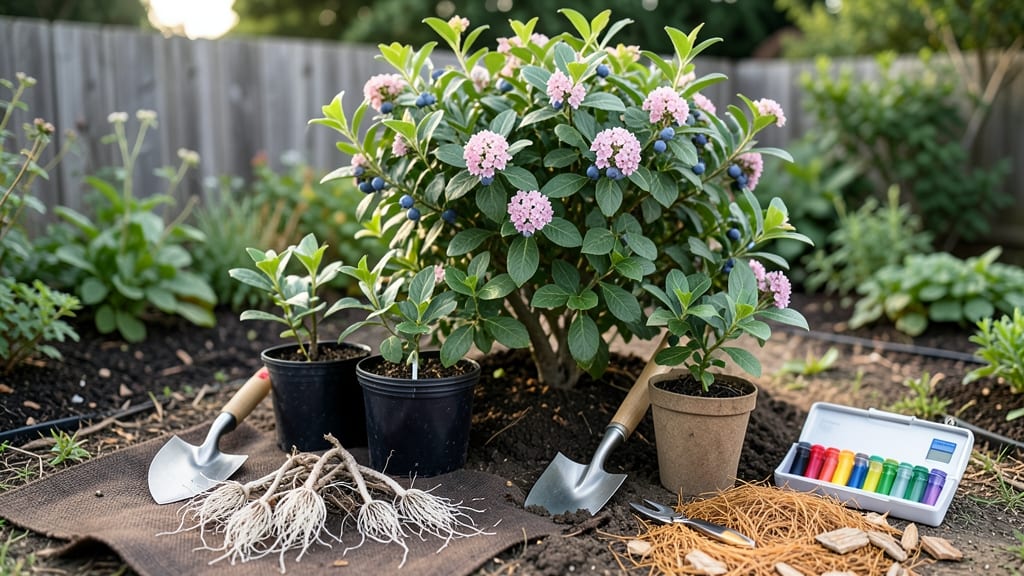
Timing your 🫐 blueberry planting in Kansas isn’t just about picking a month—it’s about dodging frost, giving roots time to settle, and setting your bushes up for a harvest that’ll make your neighbors jealous.
Too early, and a late frost could wipe out your new plants; too late, and they won’t establish before winter’s chill sets in.
The best window for Kansas gardeners (zones 5b-7a) is actually a two-part strategy: either late winter to early spring or fall, when the soil is cool but not frozen.
Why does this matter? Because blueberries are fussy little shrubs—they need time to adjust to their new home. Planting in September or October gives them a head start on root growth before winter, while a spring planting (February-April) lets you take advantage of warmer soil temperatures.
But here’s the kicker: Kansas’ microclimates vary wildly, so what works in wet eastern Kansas might not fly in the drier west.
I’ve seen gardeners pull out their hair over blueberries that refused to thrive—until they adjusted for their specific zone and soil conditions. The key isn’t just when you plant, but how you prep the soil (acidity is everything!) and protect young plants from unexpected freezes.
Let’s break down the exact months that work best for your corner of Kansas, plus some pro tips to give your bushes the fighting chance they deserve.
Ready to turn your backyard into a berry bonanza? You’ll walk away knowing the precise timing, soil secrets, and even how to handle those tricky Kansas frost surprises. Let’s get those blueberries in the ground the right way—no guesswork, just results.
Best months to plant blueberries in Kansas (by region)
Kansas’ diverse climate—from humid eastern regions to drier western zones—means blueberry planting windows vary by location. Eastern Kansas (USDA zones 6-7) has warmer springs and longer growing seasons, while Western Kansas (zones 5-6) faces earlier frosts and shorter windows.
Timing your planting right ensures strong root establishment before winter or summer heat arrives.
For spring planting, aim for late March to early April once soil temperatures hit 45°F+.
In fall, September to mid-October is ideal—roots establish before winter, but avoid planting after October 15 in most regions to prevent frost damage. Central Kansas gardeners have a 2-week buffer compared to western areas.
| Region | Best Planting Months | Soil Temp Threshold | Frost Risk |
|---|---|---|---|
| Eastern Kansas (zones 6-7) | Late March–April (spring) or Sept–Oct (fall) | 45°F+ | Low (last frost: April 1) |
| Central Kansas (zones 5b-6) | Early April–May (spring) or Aug–Sept (fall) | 50°F+ | Moderate (last frost: April 15) |
| Western Kansas (zones 5-5b) | April–May (spring) or July–Aug (fall) | 55°F+ | High (last frost: May 1) |
In Eastern Kansas, where humidity lingers, fall planting in September gives roots time to establish before winter rains. Central Kansas gardeners should prioritize early spring (April) to avoid late-spring frosts, while Western Kansas may need to delay until May or opt for container growing to control soil warmth.
Pro tip: Use a soil thermometer to confirm 45°F+ soil temps before planting. In Western Kansas, where soils warm slower, consider black plastic mulch to accelerate root growth. Bare-root plants thrive best when soil is workable but not soggy—avoid planting after heavy rains.
For container planting, which works well in urban Kansas City or dry western areas, start 2-3 weeks earlier than ground planting. Containers warm faster, giving you a 2-week head start on root establishment. Just ensure pots have drainage holes and use acidic potting mix (pH 4.5–5.5).
If you miss the ideal window, late August is a second-best option for fall planting in Eastern Kansas, but avoid planting after September 15—new roots won’t harden off before winter.
In Western Kansas, June planting is risky due to heat stress; opt for cool-season varieties like ‘Bluecrop’ or ‘Duke’, which tolerate wider temperature swings.
Remember: Blueberries need 800–1,000 chill hours (below 45°F) to fruit well. Kansas meets this easily, but early spring planting (before buds swell) ensures your bushes focus on root growth—not flowering—during their first year. Fall-planted bushes may flower earlier, but pinching back first-year blooms boosts long-term yields.
For local sourcing, check Kansas State University’s horticulture guides or nurseries like Tuttle’s Nursery (Wichita) or Baker Creek Heirloom Seeds (Mansfield). They carry Kansas-adapted varieties like ‘Jersey’ (early season) or ‘Patriot’ (late season), which thrive in USDA zone 5b–7a.
Finally, mark your calendar for Kansas’ average last frost dates: March 15 (east), April 1 (central), and May 1 (west). Planting 2–4 weeks after these dates minimizes frost risk while maximizing root growth before summer heat arrives. 🫐
How Kansas’ climate affects blueberry planting success
Kansas’ USDA hardiness zones 5b-7a create unique challenges for blueberry growers. The state’s variable frost dates—ranging from late March in the west to early April in the east—mean your planting window must align with soil temperature thresholds of at least 40°F (4°C) for root establishment.
Blueberries thrive in acidic soil (pH 4.5-5.5), but Kansas’ native alkaline soil (pH 7.0-8.5) often requires amendments like sulfur or peat moss months before planting. Without this prep, your bushes may struggle to absorb essential nutrients, stunting growth and reducing berry production.
Another critical factor is chill hours. Most blueberry varieties need 500-1,000 hours below 45°F (7°C) annually. Kansas typically meets this, but warmer microclimates in western regions may require low-chill varieties like ‘Top Hat’ or ‘Jubilee’ to ensure proper flowering.
Spring frost risks are highest in eastern Kansas, where late frosts can damage new growth. Planting bare-root bushes in early spring (March-April) gives roots time to establish before summer heat arrives, while fall planting (September-October) allows roots to grow before winter dormancy.
Kansas’ summer droughts can stress young blueberry plants. Mulch heavily with pine straw or wood chips to retain moisture, and water deeply 2-3 times per week during the first growing season. Skipping this step risks shallow root systems and poor establishment.
For container growing, choose dwarf varieties like ‘Pink Lemonade’ (compact and cold-hardy) and use acidic potting mix. Containers warm up faster in spring, giving you a 2-3 week head start over in-ground planting.
Just ensure pots have drainage holes to prevent root rot from Kansas’ heavy summer rains.
Finally, monitor your local Almanac frost dates—they’re more accurate than USDA averages. Adjust planting by 1-2 weeks later in western Kansas to avoid late spring frosts, while eastern gardeners can plant 1-2 weeks earlier to capitalize on longer growing seasons.