
Plants
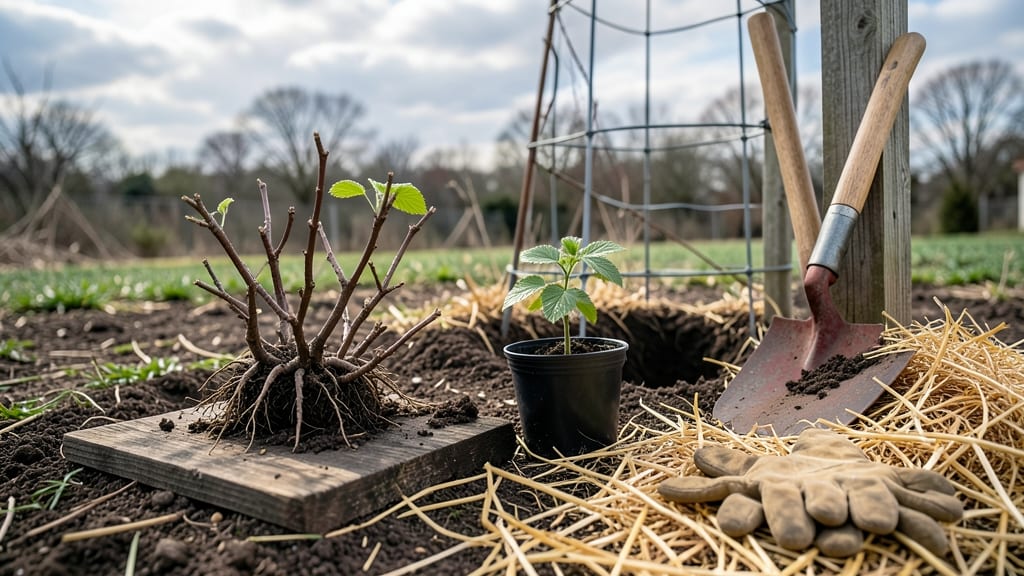
Timing your blackberry planting in Georgia right could mean the difference between a bountiful harvest and years of disappointment. With Georgia's humid climate and USDA zones 7b-8b, getting those canes in the ground at the perfect moment is absolutely critical.
The wrong timing can leave your plants struggling with heat stress or frost damage, while the right approach sets you up for thriving brambles that produce fruit for years.
Most Georgia gardeners swear by late winter or early spring planting—typically between February and March—when soil temperatures start to warm but before the rush of new growth begins.
This window gives roots time to establish before summer's intensity hits, and it avoids the stress of planting during Georgia's sweltering heat. But there's more to it than just the calendar: soil prep, variety selection, and even your specific microclimate play huge roles in success.
If you're wondering whether to plant in fall or spring, the answer depends on your goals and local conditions. Fall planting can give roots a head start, but Georgia's unpredictable late-season weather makes it riskier than spring.
We'll break down both approaches so you can choose what works best for your garden—and your schedule. Let's get those 🫐 blackberries growing like a pro.
The key to successful blackberry planting in Georgia isn't just about when you put them in the ground—it's about understanding how your local climate interacts with these hardy but particular plants.
From soil preparation to frost dates, we'll cover everything you need to know to make your blackberry patch a year-round success. Ready to dig in?
Best planting windows for Georgia blackberries (Zone 7b/8a)
Georgia’s humid subtropical climate creates a unique window for planting blackberries, where timing directly impacts root establishment and fruit production. Unlike northern regions, Georgia gardeners can plant successfully in both fall and spring, but each season offers distinct advantages.
The key is aligning planting with soil temperatures and avoiding late frosts that can damage tender canes.
For USDA Zone 7b/8a, the ideal planting months are February through April, with March being the sweet spot. This timing ensures canes have 4-6 weeks to establish roots before Georgia’s summer heat peaks.
However, fall planting (September-October) can also work if you’re prepared for winter mulching to protect roots from freeze-thaw cycles.
Here’s the critical factor: soil temperature must be above 50°F for planting. In Georgia, this typically occurs by mid-March in most regions, but coastal areas (Zone 8a) may see suitable conditions as early as late February.
Using a soil thermometer is your best tool for precision—planting too early in cold soil can stunt root growth.
| Planting Window | Soil Temp Requirement | Frost Risk | Root Establishment Time | Best For |
|---|---|---|---|---|
| Late Winter (Feb) | 50°F+ (coastal only) | Moderate (late frosts possible) | 6-8 weeks | Thornless varieties |
| Early Spring (Mar) | 55°F+ (ideal) | Low (after last frost) | 4-6 weeks | All varieties |
| Fall (Sep-Oct) | 60°F+ (warm soil) | High (winter protection needed) | 8-10 weeks | Established roots |
Georgia’s last frost dates vary dramatically—March 15 in the Piedmont (Zone 7b) but as late as April 1 in the mountains. Coastal areas (Zone 8a) often escape frost entirely, giving gardeners a 6-week head start.
Always check your local frost-free date from the Georgia Climate Project or Almanac before planting.
Pro tip: If planting in late winter, choose thornless varieties like ‘Natchez’ or ‘Chester’, which handle cold soil better than traditional types. For fall planting, focus on established canes (not bare-root) to give roots time to harden before winter.
Mulch heavily with straw or pine needles to insulate roots.
One common mistake Georgia gardeners make is planting too early in hopes of an earlier harvest. Cold soil slows root growth, making plants vulnerable to root rot and pest pressure. Wait until you can dig 6 inches deep and feel soil warmth—this is your green light to plant.
For container growing, timing shifts slightly. Plant bare-root canes in late February and keep pots in a protected location until soil warms. Containers dry out faster, so monitor moisture closely during Georgia’s humid but unpredictable spring rains.
Remember: Blackberries thrive with patience. While you might see new growth within weeks, full fruit production takes 2-3 years. Planting at the right time ensures your brambles hit the ground running—literally. With Georgia’s long growing season, you’ll have two harvest windows per year if you time it
Fall vs. spring planting: which works better in Georgia?
Georgia’s climate offers two prime windows for planting blackberries—spring and fall—but each comes with distinct advantages and challenges. As a gardener in USDA Zone 7b/8a, I’ve learned that choosing the right season depends on your priorities: root establishment, winter survival, or pest pressure.
Let’s break down the pros and cons to help you decide which timing aligns best with your goals.
Spring planting (late February to early April) gives blackberries a head start on growth before Georgia’s summer heat sets in. The soil warms quickly, encouraging rapid root development and early fruiting.
However, spring-planted canes may struggle to establish strong roots before the first frost, leaving them vulnerable to winter dieback in colder microclimates. Plus, spring brings higher pest pressure, including spider mites and Japanese beetles, which can stress young plants.
Fall planting (late September to early November), on the other hand, allows blackberries to establish roots in cool, moist soil before winter dormancy. This method often yields hardier plants with deeper root systems, better equipped to survive Georgia’s occasional late frosts.
However, fall-planted canes may not produce fruit until the following year, delaying your harvest. Additionally, planting too late in the season risks frost damage to tender new growth before roots are fully established.
For thornless varieties like ‘Natchez’ or ‘Arapaho’, spring planting is often safer, as their delicate canes benefit from a slower, controlled start. Meanwhile, traditional thorny types like ‘Triple Crown’ can handle fall planting better due to their robust nature.
My personal experience shows that fall planting in northern Georgia (Zone 7b) tends to outperform spring in years with mild winters, while spring planting excels in the warmer southern Piedmont (Zone 8a).
Spring Planting (Feb-Apr)
- Faster initial growth
- Earlier fruiting (same year)
- Lower risk of winter kill
- Higher pest pressure
- Weaker root establishment
- Stress from summer heat
Fall Planting (Sep-Nov)
- Stronger root systems
- Better winter survival
- Lower pest activity
- Delayed fruiting (next year)
- Risk of frost damage
- Limited growing season
If you’re planting in northern Georgia, where winters can dip below 20°F, fall planting is your best bet for long-term success. For southern Georgia, where mild winters prevail, spring planting offers a quicker payoff.
My recommendation? Test both seasons on a small scale—dedicate one patch to spring and another to fall—to see which performs better in your specific microclimate. Remember, blackberries are forgiving, but timing can make or break your first harvest.
Pro tip: If you choose fall planting, aim to get canes in the ground at least 6 weeks before the first frost to allow roots to establish. For spring, wait until the soil temperature reaches at least 50°F to avoid stunted growth.
Either way, mulching heavily with straw or pine needles will protect young plants from temperature swings—critical in Georgia’s unpredictable climate.
🌱