
Plants
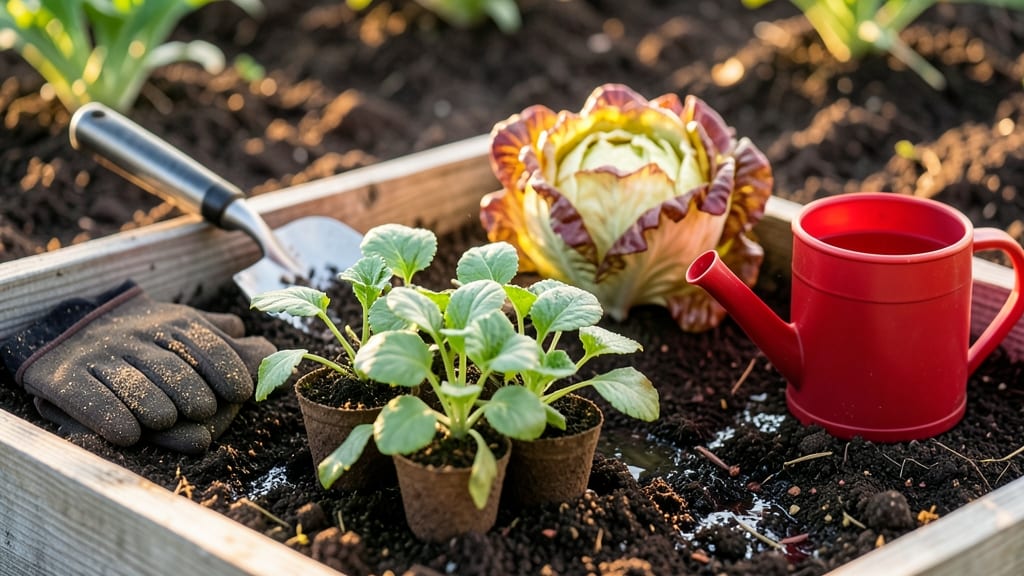
Planting lettuce in Georgia at the wrong time can turn your crisp, sweet 🥬 dreams into bitter disappointment—especially in Heat-Zone 8B where summer heat sends lettuce bolting faster than you can say "pesticide."
The secret to success? Timing your plantings like a pro to beat the heat and frost, ensuring a steady supply of fresh greens from spring through fall.
With Georgia's mild winters and long growing season, you actually have two prime windows to plant lettuce: late winter/early spring and late summer/early fall. But getting it wrong means struggling with either leggy, bitter leaves or plants that give up before they even mature.
Let me show you exactly when to start seeds or transplants for bolt-free, flavorful harvests every season.
You don't need a degree in horticulture to grow great lettuce—just a few simple tricks about soil prep, spacing, and shade strategies. I'll walk you through the ideal planting schedule for your Georgia garden, including how to stretch your harvests through summer's worst heat waves.
Ready to transform your backyard into a lettuce powerhouse?
The best part? With these timing secrets, you'll enjoy fresh 🥬 salads from April through December without the stress. Let's dive into the exact months that work best in your zone and how to keep your plants thriving from seed to harvest.
Georgia lettuce planting calendar: exact months for heat-zone 8B success
Georgia’s heat-zone 8B climate creates unique challenges for growing lettuce—but with the right timing, you can enjoy crisp harvests year-round. The key is avoiding bolting (when lettuce goes to seed prematurely) by planting during cooler months when temperatures stay below 75°F.
Let’s break down the best planting windows for each season.
In Georgia, the last average frost date is around March 15, while the first frost typically arrives by November 15. This gives you two primary planting seasons: spring and fall, with limited success in winter for hardy varieties.
Summer planting is possible but requires extra care to prevent bolting.
For spring plantings, start seeds indoors 4-6 weeks before your last frost (around February) or sow directly into the garden in early March. Aim to harvest before summer heat sets in (June).
Fall plantings should begin in late July to early August for a September-October harvest, with a second round in mid-August for late fall harvests.
Here’s a quick reference for Georgia’s lettuce planting calendar:
| Season | Planting Window | Ideal Temperature | Harvest Window | Notes |
|---|---|---|---|---|
| Spring | Feb - Early March (indoors); Early March - April (direct sow) | 50°F - 70°F | April - June | Use shade cloth if temps rise above 75°F |
| Summer | Late July - Early August (with shade) | Below 75°F | September - October | Plant in partial shade; use bolt-resistant varieties |
| Fall | Mid-August - September | 60°F - 75°F | October - December | Best season for continuous harvests |
| Winter | November - December (hardy varieties) | 40°F - 60°F | January - February | Use row covers for frost protection |
For spring lettuce, focus on leaf varieties like Buttercrunch or Romaine, which mature quickly (30-45 days). In fall, opt for heat-tolerant types such as Jericho or Black Seeded Simpson, which handle Georgia’s late-summer heat better than standard varieties.
Always choose slow-bolting varieties if you’re planting in summer or early fall.
When planting, space seeds ½ inch apart in rows 12-18 inches apart for optimal airflow and sunlight penetration. Thin seedlings to 6-12 inches apart once they reach 2 inches tall to prevent overcrowding, which can lead to disease.
Mulch with straw or shredded leaves to retain moisture and keep soil temperatures stable.
Monitor soil temperatures closely—lettuce grows best when soil stays between 60°F and 75°F. Use a soil thermometer to check before planting. If daytime temperatures exceed 80°F, provide afternoon shade with 50% shade cloth to protect tender plants.
This simple step can extend your growing season by 2-4 weeks in Georgia’s heat.
For continuous harvests, practice succession planting every 2-3 weeks during spring and fall. Start with a small batch in early March, then follow up with new plantings in mid-March, late March, and early April.
In fall, plant again in mid-August and late August for staggered harvests through December. This method ensures you always have fresh lettuce without overwhelming your garden space.
Remember, Georgia’s humidity and intense sunlight can stress lettuce plants. Always water deeply in the morning to reduce evaporation and fungal risks. Avoid overhead watering in the evening, as wet foliage can attract pests like aphids and slugs.
A drip irrigation system is ideal for maintaining consistent moisture without wetting the leaves.
With these seasonal guidelines, you’ll avoid the common pitfalls of bolting and bitter leaves while enjoying a steady supply of fresh, homegrown lettuce year-round. Happy planting! 🥬
How to extend lettuce growing seasons in Georgia’s hot climate
Georgia’s summer heat can turn your lettuce into bitter, bolted disappointment faster than you can say "salad bar." But with the right strategies, you can grow crisp lettuce year-round—even in the dog days of July.
The key? Shade, timing, and variety selection tailored to Georgia’s Heat-Zone 8B climate. Let’s break down how to beat the heat and keep your lettuce happy.
Most gardeners assume lettuce is a spring-only crop, but with these practical hacks, you’ll enjoy fresh harvests from February through November.
The secret lies in succession planting, shade protection, and heat-tolerant varieties—all designed to outsmart Georgia’s 90°F+ summers while avoiding the dreaded bolting (when lettuce flowers and turns bitter).
Succession planting is your best friend in Georgia’s climate. Instead of planting all your lettuce seeds at once, stagger plantings every 2 weeks from February through April and again from August through September. This way, as one batch bolts from heat, another is just starting to thrive in cooler soil. For example, if you plant ’Romaine’ lettuce on February 1st, follow up with another batch on February 15th, then March 1st, and so on. By late May, your last spring batch will bolt—but your fall succession will already be underway.
Shade cloth is a game-changer for summer lettuce. A 30-50% shade cloth reduces soil temperatures by 10-15°F, which is enough to prevent bolting. Install it over your lettuce beds by late May and remove it in early October when temps drop. Pro tip: Use hoop houses or row covers for even better protection, especially if you’re growing butterhead varieties, which are more sensitive to heat.
Don’t overlook soil preparation—Georgia’s clay-heavy soil can trap heat and stress lettuce roots. Amend your beds with 2-3 inches of compost before planting to improve drainage and moisture retention. Mulch heavily with straw or pine needles to keep roots cool and soil moist.
If you’re planting in containers, choose black or dark-colored pots—they absorb heat and can actually speed up bolting. Opt for light-colored containers or place them in shaded areas to keep temps down.
Watering wisely is another critical factor. Lettuce needs consistent moisture, but drought stress is a major trigger for bolting. Water deeply in the morning (before 10 AM) to reduce evaporation and fungal risks.
In summer, you may need to water daily, but avoid overhead sprinkling—it can promote disease. Instead, use drip irrigation or a soaker hose to deliver water directly to the roots.
For winter lettuce, focus on cold-hardy varieties like ’Winter Density’ or ’Arctic King’, which can tolerate light frosts (down to 25°F). Plant these in October for harvests through December.
Use row covers on cold nights to protect tender varieties, and harvest before hard freezes hit. With these strategies, you’ll enjoy crisp, sweet lettuce from February to November—no bitter surprises in sight!
🌿