
Lawn
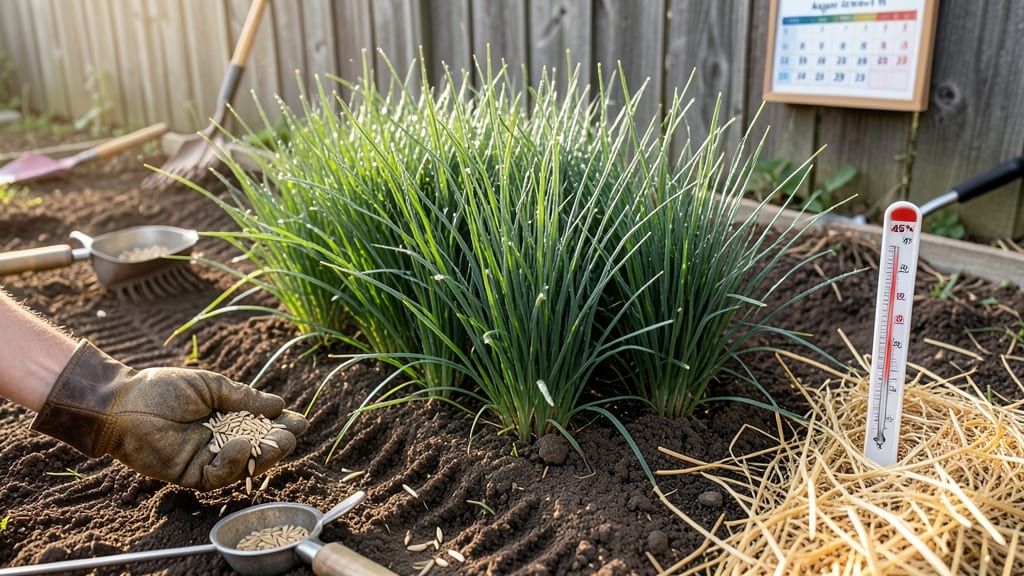
Planting grass seed in Ohio at the wrong time can leave you staring at bare soil for months—so getting the timing right is everything for a lush, fast-growing lawn.
With USDA Zone 6a frost dates that vary from north to south, knowing exactly when to plant makes all the difference between success and frustration.
Most Ohio gardeners swear by early spring or early fall planting, but soil temperature is the real game-changer. You’ll want to aim for 50°F+ soil to give those seeds the best shot at sprouting strong roots before summer heat sets in.
In this guide, I’ll walk you through the ideal planting windows for your region, how to check soil warmth, and which grass types thrive in Ohio’s climate. Whether you’re prepping for March or September planting, you’ll leave here with a clear roadmap to skip the guesswork.
Let’s get your lawn off to the right start—no more wasted seed or months of patchy growth. Here’s what you need to know before you dig in.
Ohio grass seed planting timeline by region (soil temp & frost dates)
Ohio’s diverse climate means planting grass seed in Northern Ohio (like Cleveland) differs from Southern Ohio (like Cincinnati). The key factors are soil temperature (must stay above 50°F) and frost-free dates. Planting too early risks frost damage, while waiting too long can lead to summer drought stress.
For most of Ohio, the ideal window is early spring (March–April) or early fall (September–October). However, microclimates—like valleys or urban heat islands—can shift these dates by 1–2 weeks. Always check your local USDA Zone 6a averages before seeding.
Northern Ohio (e.g., Toledo, Columbus) typically has earlier last frosts (April 15), while Southern Ohio (e.g., Dayton, Cincinnati) often sees later frosts (April 20–May 1). This means Northern lawns can start 2 weeks earlier in spring but must finish by late August to avoid summer heat.
Southern Ohio has a slightly longer growing season, allowing for fall planting until October 15. However, both regions should avoid planting when soil temps drop below 50°F—use a soil thermometer to confirm warmth before seeding.
Here’s a quick comparison to help you plan:
| Region | Spring Planting Window | Fall Planting Window | Soil Temp Threshold | Last Frost Date |
|---|---|---|---|---|
| Northern Ohio | March 15–April 15 | September 1–October 1 | 50°F+ | April 15 |
| Southern Ohio | March 30–April 30 | September 15–October 15 | 50°F+ | April 20–May 1 |
| Microclimates (Valleys/Urban) | Adjust ±7–14 days | Adjust ±7–14 days | 50°F+ | Varies |
If you’re in a microclimate—like a valley or urban heat island—your frost dates may shift. For example, Cleveland’s downtown can be 5–10°F warmer than nearby suburbs, delaying frost. Use a local weather station or Almanac app to track real-time conditions.
For spring planting, aim to finish 4–6 weeks before summer heat (typically by late May). This gives roots time to establish before drought stress kicks in. Fall planting is often easier because soil stays moist longer, reducing early watering needs.
Pro tip: If you miss the spring window, late summer (August) can work for cool-season grasses like Kentucky Bluegrass, but expect slower germination due to heat. Always water deeply after planting to encourage root growth.
Remember, Ohio’s unpredictable weather means flexibility is key. Monitor forecasts and adjust your timeline if unseasonable frosts or droughts threaten your new lawn.
How to check soil temperature & prepare for grass seed planting
Ohio’s unpredictable spring weather makes soil temperature the #1 factor in successful grass seed germination. Planting too early when soil is still below 50°F can leave seeds dormant or rot, while waiting too long risks summer heat stress. Here’s how to get it right every time.
Start by testing your soil’s warmth using a soil thermometer (available for $10 at garden centers). The ideal planting window begins when soil reaches a consistent 50°F for 5+ days.
For most of Ohio, this typically falls in mid-April to early May, but northern regions like Cleveland may wait until late April.
If your soil isn’t ready yet, don’t panic! Use black plastic mulch or straw blankets to warm the ground faster. Lay them over prepared soil for 1-2 weeks before planting to accelerate temperature rise. This trick works especially well for late frosts that can delay spring planting.
🌱