
Plants
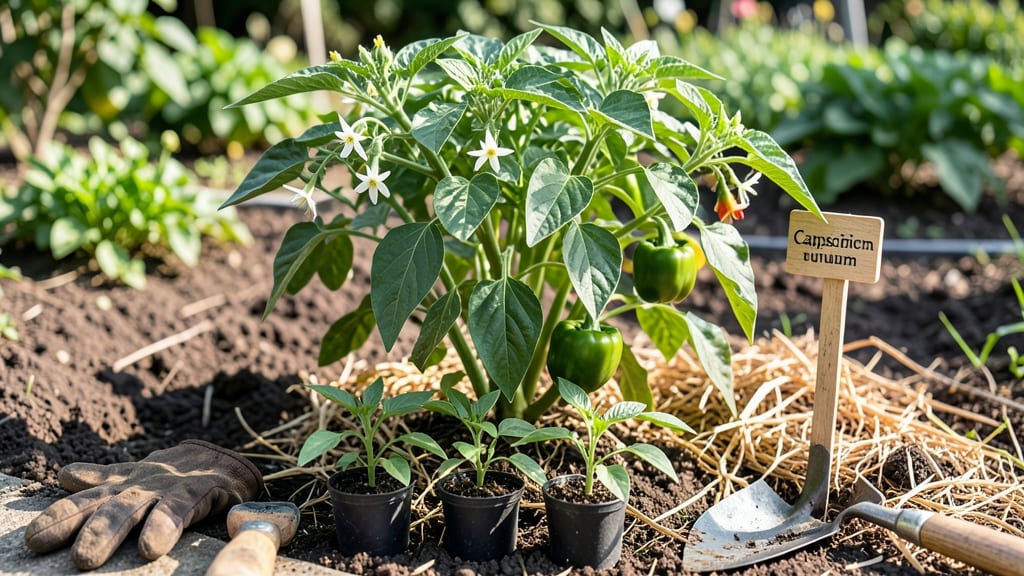
Planting bell peppers in Missouri at the wrong time can mean the difference between a thriving garden and a sad, wilted 🌶️ failure—especially with the state’s unpredictable spring weather. Whether you're a seasoned gardener or just starting, getting the timing right is everything for a successful harvest.
Missouri’s USDA zones 5b-6a mean frost can linger well into April, but waiting too long risks shorter growing seasons. The key is planting after your last frost date—typically late April to early May—but there’s more to it than just the calendar.
Soil temperature matters just as much, and rushing can leave your peppers vulnerable to late frosts or heat waves.
Should you start seeds indoors or transplant seedlings? I’ll break down the best approach for your region, including when to begin seeds for an early start and how to extend your growing season for late varieties.
Missouri’s humidity and sudden heat spikes add another layer, so let’s make sure you’re prepared.
By the end, you’ll know exactly when to plant, how to adjust for your specific zone, and what to watch for to avoid common mistakes. Ready to grow those sweet, juicy peppers? Let’s get started.
Missouri frost-free dates by region: best planting windows for bell peppers
Missouri’s diverse climate—from the humid Ozarks to the flat plains—means frost-free dates can vary by 10-14 days across regions. Bell peppers (🌶️ Capsicum annuum) thrive in warm soil and air, so planting too early risks frost damage, while waiting too late shortens the harvest window.
Let’s break down the ideal transplanting windows for Missouri’s USDA zones 5b-7a, including adjustments for urban microclimates.
Northern Missouri (Zones 5b-6a), like St. Louis and Kansas City, typically sees its last frost around April 15, but gardeners should wait until soil temperatures reach 60°F+—often mid-to-late May.
Southern Missouri (Zones 6b-7a), including Springs and Poplar Bluff, can plant as early as late April in protected areas, thanks to warmer microclimates.
Urban gardeners in cities like Columbia or Jefferson City may experience earlier warming due to heat islands, while rural areas in the Ozarks (e.g., Branson) might need to delay until May 1 to avoid late frosts.
Always check your local agricultural extension office for 5-year averages—recent years have shown earlier springs in many regions.
🌱 Key Takeaway: Bell peppers need 90-120 frost-free days to mature. In Missouri, this means planting late April to early June, depending on your zone and variety. Cool-weather varieties (like ‘Aristotle’) can handle slightly earlier starts, while hot varieties (like ‘Carmen’) need the full summer heat.
| Region | USDA Zone | Avg. Last Frost | Ideal Transplant Window | Notes |
|---|---|---|---|---|
| Northern MO (St. Louis, KC) | 5b-6a | April 15 | May 15–June 1 | Wait for soil >60°F; use row covers for early starts. |
| Central MO (Columbia, Jefferson City) | 6a-6b | April 1–April 15 | April 20–May 10 | Urban areas warm faster; rural Ozarks may need to delay. |
| Southern MO (Springs, Poplar Bluff) | 6b-7a | March 15–April 1 | April 1–April 15 | Longer growing season; ideal for late varieties. |
| Ozarks (Branson, West Plains) | 6a-7a | April 1–April 10 | May 1–May 15 | Higher elevation = cooler soils; use black plastic mulch. |
For gardeners in Zone 5b (e.g., Northwest Missouri), consider starting heat-loving varieties like ‘Jupiter’ indoors by March 1 to ensure a harvest before the first frost (October 15).
In contrast, Zone 7a gardeners can experiment with fall plantings in August for a late-season crop, though yields may be smaller.
Pro tip: Use a soil thermometer to confirm warmth—bell peppers won’t germinate in soil below 60°F. In cooler years, extend your season with row covers or a low tunnel to protect seedlings until the soil warms naturally.
Missouri’s humidity also plays a role: Southern regions may experience fungal issues if peppers are planted too early, while northern areas risk stunted growth from cool nights. Balance these factors by
Indoor seed starting vs. transplanting: Missouri-specific timeline for bell peppers
Deciding whether to start bell pepper seeds indoors or buy transplants depends on your Missouri region and how early you want your harvest. For most gardeners, starting seeds indoors 6-8 weeks before your last frost date gives you the best head start.
In northern Missouri (USDA zone 5b), that means beginning seeds around mid-February to early March for a late April transplant.
Southern Missouri (zone 6a) has a longer growing season, so you can start seeds as late as early March and still transplant by early April. If you’re short on space or time, buying transplants from a local nursery is a great option—just ensure they’re hardened off before planting outdoors.
Here’s my step-by-step timeline for Missouri gardeners, including soil temperature tips to avoid common pitfalls:
For northern Missouri gardeners, a heat mat can shave weeks off your growing season by warming soil faster. I’ve used one for years in my zone 5b garden—it’s a game-changer for peppers that need warm roots to thrive. Just
If you’re in southern Missouri, you can push your luck and plant seeds directly outdoors in early April, but I recommend waiting until soil is consistently warm. A soil thermometer is your best friend here—60°F is the magic number for bell peppers.
Missouri’s unpredictable spring weather means flexibility is key. Keep an eye on your local frost-free date and adjust your timeline accordingly. With the right timing, you’ll be enjoying homegrown bell peppers by summer!