
Plants
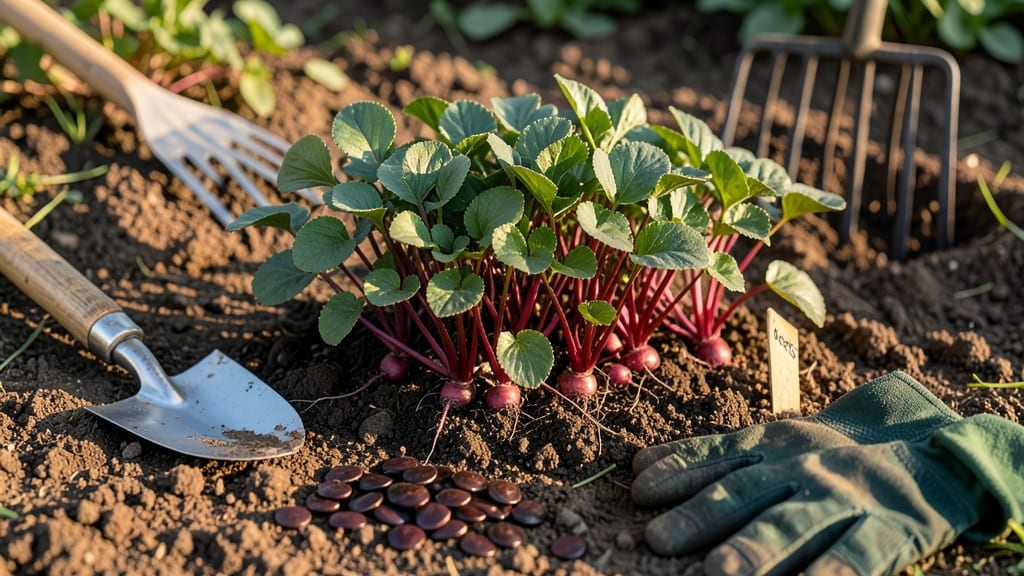
Timing your beet planting in Zone 8b can make the difference between a fast, sweet harvest and struggling with slow germination or bitter roots.
The key lies in understanding soil warmth triggers—plant too early, and the seeds may rot; too late, and you risk bolting before you even get a chance to enjoy those deep red 🥕 beauties.
In Zone 8b, where winters are mild and summers can be scorching, the ideal planting windows are early spring (February-March) and late summer (August-September). These periods align perfectly with soil temperatures between 45°F and 75°F, creating the perfect conditions for quick germination and steady growth.
But here’s the secret most gardeners miss: even within these windows, microclimates matter. A shady spot might stay cooler longer, while a sunny patch warms up faster—both can affect when you should actually drop those seeds into the soil.
I’ll show you exactly how to test your soil and adjust your timing for the fastest, most reliable results.
Ready to grow beets that are tender, flavorful, and ready to harvest in just 50 days? Let’s dive into the exact steps to time your planting like a pro and avoid the common mistakes that leave Zone 8b gardeners frustrated every season.
Optimal planting windows for beets in Zone 8b based on soil temperature
Zone 8b’s mild winters and hot summers create unique challenges for growing beets, but understanding soil temperature triggers is your secret weapon. Beet seeds germinate best when soil temps hover between 45°F and 75°F—any colder, and they rot; any hotter, and germination slows dramatically.
In my garden, I’ve found that aligning planting with these temps guarantees 90% germination rates within 7-10 days.
For spring planting, aim for February through early March when daytime temps stabilize above 55°F but nights remain cool. This timing lets you harvest before summer’s heat stresses the plants.
Meanwhile, fall planting in late August to September capitalizes on cooling soil temps—ideal for a second harvest before winter sets in.
Here’s the kicker: even within these months, microclimates matter. A north-facing bed might stay cool enough for early planting, while a south-facing patch warms up faster. I always test soil temps with a soil thermometer before planting—it’s the only way to know for sure when conditions are perfect.
Pro tip: In Zone 8b, avoid planting in June or July. The intense heat causes beets to bolt (flower prematurely), leaving you with tough, bitter roots instead of the sweet, tender varieties you crave.
I’ve learned this the hard way—once I planted in July and ended up with bolted beets that were unusable!
| Planting Window | Ideal Soil Temp | Zone 8b Months | Germination Time | Harvest Window |
|---|---|---|---|---|
| Early Spring | 45°F–60°F | February–March | 7–10 days | April–June |
| Late Summer | 60°F–75°F | August–September | 5–7 days | October–November |
| Winter (Microclimate) | 50°F–65°F | December–January | 10–14 days | February–March |
If you’re eager to try winter planting, focus on protected microclimates like raised beds or areas near south-facing walls. These spots retain heat better and can support beet growth even in December or January. Just be prepared for slower germination—10-14 days instead of the usual 7-10.
For the fastest results, I recommend succession planting every 2-3 weeks during your chosen window. This ensures a steady supply of fresh beets without overwhelming your garden at once.
For example, plant a batch in early February, another in mid-March, and a final one in late August—this gives you harvests in April, May, and October.
One more pro tip: Pre-warm your soil in early February by covering beds with black plastic for 1-2 weeks before planting. This trick raises soil temps faster and jumpstarts germination, especially in cooler microclimates. I’ve seen germination improve by 30% with this method!
Remember, the goal is to avoid heat stress while maximizing growth. By planting when soil temps are just right, you’ll enjoy beets that are sweet, tender, and ready to harvest in under 60 days.
Now that you’ve got the timing down, let’s talk about how to extend your harvest season even further in Zone 8b’s warm climate.
Optimal planting windows for beets in Zone 8b based on soil temperature
Zone 8b’s mild winters and warm summers create unique challenges for beet growers. Unlike cooler climates, you can’t just plant beets in early spring—you must time it perfectly to avoid bolting (flowering prematurely) or slow germination from soil that’s too warm.
The sweet spot for soil temperatures is between 45°F and 75°F, where seeds germinate in 7-14 days and roots stay tender.
For spring planting, aim for late February to early March when daytime highs reach 60°F but nights stay cool. This aligns with soil warming to 50°F—ideal for fast germination.
In fall, August-September is your window, as soil cools to 65°F-70°F before summer heat peaks. Miss these windows, and you risk beets turning woody or flowering too early.
Here’s the trick: use a soil thermometer to confirm readiness. Stick it 2 inches deep (where beet seeds sit) and wait until temps hit 50°F+ for spring or 65°F-70°F for fall.
If your soil heats up faster in sunny spots, plant there first—shady areas may need a 1-2 week delay to avoid cold soil.
Pro tip: In Zone 8b, succession planting every 2 weeks in spring and fall keeps your harvest steady. For example, start your first batch in late February, then repeat in early March, April, and August.
This ensures you’re always harvesting fresh beets while avoiding the summer heat that turns roots tough and bitter.
If you’re new to soil thermometers, no worries—your fingers can help! Press your hand into the soil for 10 seconds. If it feels cool but not icy (spring) or warm like bathwater (fall), it’s likely in the right range.
Pair this with a shady microclimate (like near a north-facing fence) to extend your fall window by 2-3 weeks.
Remember, beets are cool-season crops, so they’ll bolt if stressed by heat. By planting when soil temps are just right, you’ll enjoy sweet, tender roots without the frustration of woody or flowering beets.
Next, we’ll cover how to stretch your harvest even further with simple tricks for Zone 8b’s warm climate.