
Plants
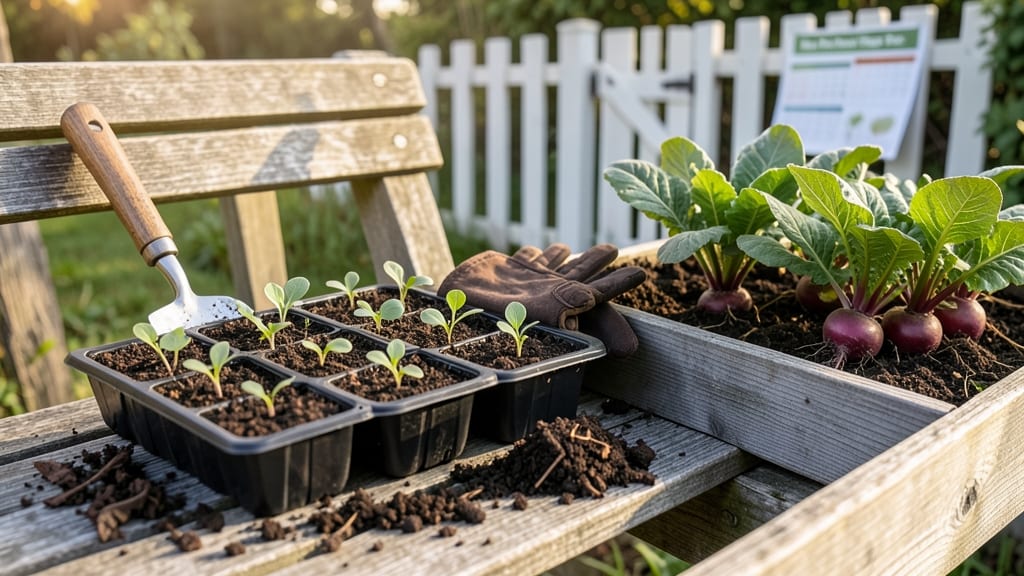
Timing when to plant beets in Indiana isn’t just about calendar dates—it’s the difference between sweet, tender roots and tough, bitter disappointments.
With USDA Zone 6a weather that swings from icy springs to early frosts, knowing the perfect windows for planting 🍠 can mean the difference between a thriving garden and a gamble.
Most gardeners in Indiana get it wrong by planting too early or too late, risking bolting or stunted growth. The key is starting seeds 2-3 weeks before your last frost date—typically between March 15 and April 30 for spring—and again in September for a fall harvest.
But there’s more to it than just dates.
In this guide, I’ll break down exactly when to plant for maximum yield, how to adjust for Indiana’s unpredictable weather, and which beet varieties thrive in your climate. Whether you’re a beginner or a seasoned gardener, these tips will help you grow the best 🍠 harvests all season long.
Ready to stop guessing and start growing? Let’s dive into the best planting strategies for Indiana’s unique growing conditions—so you can enjoy fresh, homegrown beets from June through November.
Optimal Indiana beet planting schedule by month (spring vs fall)
Indiana’s USDA Zone 6a climate creates a 165-day frost-free window, making both spring and fall plantings ideal for beets. To avoid bolting (premature flowering) or woody roots, time your plantings carefully around soil temperatures and frost dates.
Northern Indiana’s cooler microclimates shift windows slightly later than southern regions.
Beets thrive when soil reaches 50°F (10°C)—warmer than many gardeners expect. In Indiana, this typically happens by mid-March in southern counties (e.g., Evansville) but waits until late March to early April in northern areas (e.g., South Bend). Always test soil with a soil thermometer before planting.
Your last frost date (April 15) signals the start of spring planting, but don’t rush—early April is safer for most regions. For fall, aim to plant 8-10 weeks before your first frost (October 20), giving roots time to mature before winter sets in.
Southern Indiana can extend fall plantings into mid-October with row covers.
For spring plantings, sow seeds ½ inch deep and 1–2 inches apart in loose, well-draining soil. Thin seedlings to 3–4 inches apart when they’re 2 inches tall to prevent competition. In Indiana’s humid summers, mulch heavily to retain moisture and suppress weeds.
Fall plantings require earlier varieties (e.g., Detroit Dark Red, Babybeat) to mature before frost. Start seeds indoors 6–8 weeks before your target outdoor date, then transplant seedlings when soil warms to 50°F (10°C). Southern Indiana gardeners can push fall plantings into early November with row covers.
Indiana’s microclimates matter—urban areas like Indianapolis may experience 2–3°F warmer soils than rural spots. Monitor local weather forecasts and adjust planting dates accordingly. For example, if your area faces late spring frosts, delay planting until May 1 to avoid seedling damage.
Succession planting every 2 weeks from March through June ensures a continuous harvest. In fall, stagger plantings every 3 weeks from August to October. This strategy works especially well for baby beets, which mature in just 30–40 days.
Always harden off seedlings before transplanting—place them outdoors for 2–3 hours daily for 5–7 days prior to moving them to the garden. This step reduces transplant shock, especially critical for Indiana’s variable spring weather.
Remember: Beets store well in cool, dark conditions, so even if you miss the perfect window, you can still enjoy homegrown harvests later. Store roots in sand or sawdust at 32–40°F (0–4°C) for up to 6 months.
Optimal Indiana beet planting schedule by month (spring vs fall)
Indiana’s USDA Zone 6a climate demands precise timing for beet success. Plant too early, and you risk bolting from cold soil; too late, and roots turn woody from heat stress. The sweet spot? March 15–April 30 for spring and September 1–October 15 for fall—aligned with soil temperatures of 50–60°F.
Northern Indiana’s cooler microclimates (e.g., Gary) may need to delay spring plantings until April 1–May 15, while southern regions (e.g., Evansville) can start as early as March 1. Always check your last frost date—typically April 15—to avoid seedling damage.
🌱 Pro Tip: Use a soil thermometer to confirm readiness. Beets sprout best in soil above 50°F, but 60°F+ speeds germination.
| Season | Planting Window | Soil Temp (°F) | Frost Risk | Harvest Window |
|---|---|---|---|---|
| Spring | March 15–April 30 | 50–60°F | Low (post-April 15) | June–July |
| Fall | September 1–October 15 | 55–65°F | Moderate (pre-October 20) | October–November |
| Northern IN | April 1–May 15 | 55–65°F | High (late frosts) | June–August |
Fall plantings offer a second harvest but require earlier sowing to mature before first frost (October 20). Aim for varieties with 50–60 days to maturity (e.g., Detroit Dark Red) to beat the clock. Southern Indiana gardeners can push fall plantings to October 31 with row covers.
🌿 Key Adjustment: For succession planting, sow new seeds every 2 weeks in spring and 3 weeks in fall to stagger harvests and avoid glut.
Extreme weather? Use black plastic mulch in spring to warm soil faster or straw mulch in fall to delay frost. These tricks help you extend seasons by 2–3 weeks on either end.