
Plants
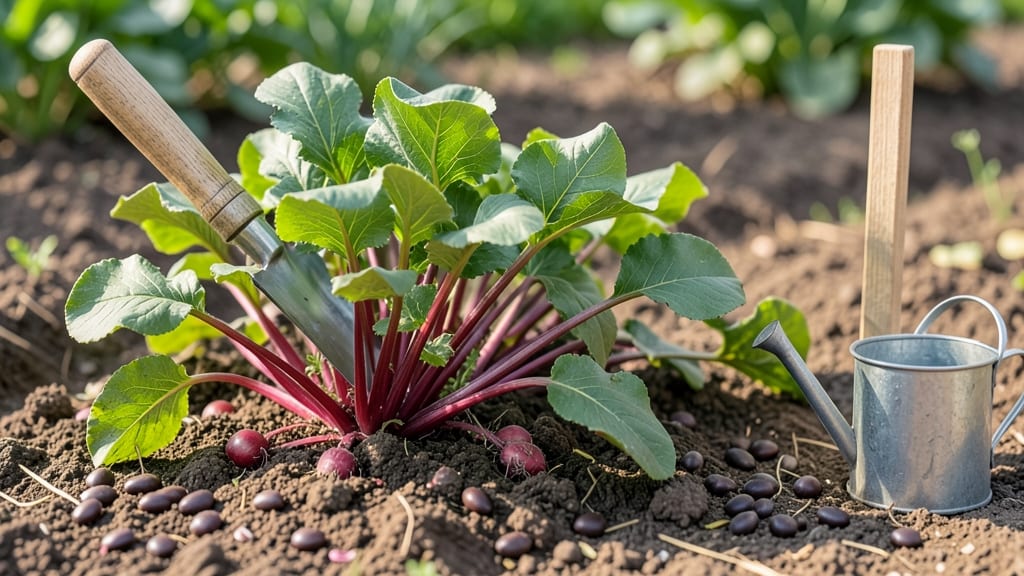
Timing your beet 🍠 planting in Zone 5 can make the difference between a fast, sweet harvest and struggling with slow germination or tough roots. The key isn't just throwing seeds in the ground—it's understanding when soil temperatures and frost dates align for optimal growth.
Most gardeners in Zone 5a-5b get it wrong by planting too early when the soil is still too cold, or too late when summer heat sets in.
I've learned the hard way that beets need soil between 40°F and 85°F to germinate properly, which means two perfect windows: early spring (March-April) and late summer (July-August).
What you'll discover here is exactly how to time your planting for fast germination and continuous harvests, plus how to extend your season with simple tricks. Whether you're growing Detroit Dark Red or baby beets, these insights will help you avoid common mistakes that waste time and effort.
Let's dive into the science behind soil temperatures and how to use your local frost dates as a planting guide. You'll walk away with a clear calendar and actionable tips to grow beets that are tender, sweet, and ready to harvest in record time.
Zone 5 beet planting calendar: soil temperature rules for success
Beets are cool-season crops that love Zone 5’s mild springs and crisp falls, but timing is everything. Plant too early, and your seeds may rot in cold soil. Too late, and you’ll get tough, woody roots.
The ideal soil temperature for beet germination is 40°F–85°F, with sweetest harvests when planted in early spring (March–April) or late summer (July–August).
In Zone 5, your last spring frost typically hits around mid-May, while the first fall frost arrives by mid-October. Use these dates as your guide—beets won’t tolerate freezing soil, but they’ll bolt (go to seed) if temperatures climb above 80°F for too long.
For the fastest growth, aim to harvest before summer heat sets in.
Here’s the golden rule: Start seeds 4–6 weeks before your last frost date (so by early March) for a spring crop, or 8–10 weeks before your first fall frost (by early July) for a fall harvest.
This timing ensures you’ll enjoy tender roots before summer’s peak heat arrives.
🌱
| Planting Window | Soil Temp | Frost Risk | Harvest Time |
|---|---|---|---|
| Early Spring (March–April) | 45°F–65°F | Low (after last frost) | May–June |
| Late Summer (July–August) | 60°F–80°F | High (before first frost) | September–October |
| Succession Planting (May–July) | 50°F–75°F | Moderate (staggered) | June–September |
For spring plantings, focus on March–April when soil warms to at least 45°F. If you’re eager to start earlier, pre-sprout seeds indoors (see next section) or use row covers to protect young seedlings.
Varieties like Detroit Dark Red or Golden mature quickly—55–65 days—so they’re perfect for spring harvests.
In late summer, plant July–August for a fall crop. Choose heat-tolerant varieties like Chioggia or Boltardy, which handle 80°F soil better than others. Harvest before September 15 to avoid frost damage.
If you miss this window, try succession planting every 2–3 weeks from May through July for a staggered harvest.
💧 Watering matters: Keep soil consistently moist (not soggy) during germination—dry soil = slow sprouts. Once established, beets tolerate drought better, but 1 inch of water per week keeps roots sweet and tender.
🌿 Soil prep is key: Beets thrive in loamy, well-draining soil with a pH of 6.0–7.0. Amend clay soil with compost or sand to improve drainage. Avoid fresh manure—it can cause forked roots. Instead, mix in aged compost or a balanced fertilizer (5-10-10) at planting time.
Zone 5 beet planting calendar: soil temperature rules for success
In Zone 5, timing is everything for beet success—plant too early and germination stalls, too late and roots turn woody. The ideal soil temperature for beet seeds is between 40°F–85°F, with 50°F–75°F being perfect for fast sprouting.
My last frost date is around May 15, so I aim to start seeds indoors or outdoors 4–6 weeks before that.
For spring planting, I begin sowing seeds directly outdoors in late March to early April when soil warms to 45°F+.
This gives seedlings enough time to mature before summer heat sets in. Fall planting works too—sow late July to early August for a harvest before the first frost (mid-October).
Here’s the key: Soil temperature matters more than air temperature. Use a soil thermometer to check—if it’s below 50°F, germination slows dramatically. In my garden, I’ve found that Detroit Dark Red and Golden varieties sprout fastest in these conditions.
| Planting Window | Soil Temp | Action | Notes |
|---|---|---|---|
| Late March–Early April | 45°F–55°F | Direct sow outdoors | Use row covers for frost protection |
| Mid-April–May 15 | 55°F–70°F | Direct sow or transplant | Thin seedlings to 2–3" apart |
| Late July–Early August | 60°F–75°F | Direct sow for fall harvest | Choose fast-maturing varieties |
| Mid-August–September | 50°F–65°F | Succession plant | Harvest before first frost |
Pro tip: If your soil stays cool past April 15, pre-sprout seeds indoors on a damp paper towel for 3–5 days before transplanting. This trick works wonders in Zone 5’s unpredictable spring. Just avoid planting when soil temps exceed 85°F, or germination fails entirely.
For a continuous harvest, I stagger plantings every 2–3 weeks from spring to early summer. This ensures fresh beets all season long—no wasted effort! The key is consistent soil moisture and watching those harvest signs (roots 1–3" wide, vibrant color).
Don’t let Zone 5’s short growing season limit your beet harvest. With these soil-temperature rules, you’ll enjoy sweet, tender roots from spring through fall—no bitter surprises! 🌱