
Plants
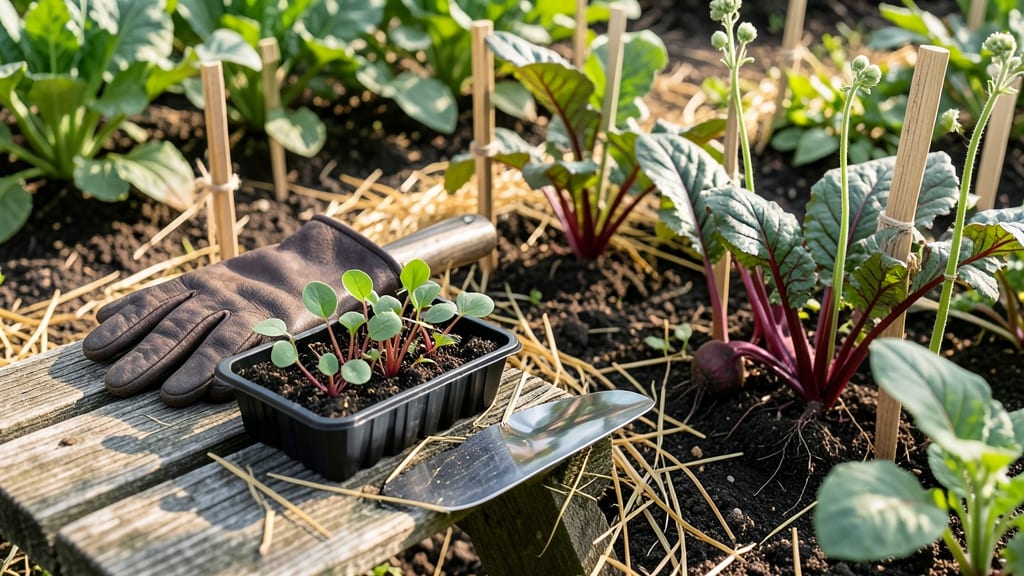
If you’ve ever planted 🟣 beets in Wisconsin only to watch them wilt in early frost or bolt under summer heat, you’re not alone. The perfect planting window here isn’t just about dates—it’s about beating frost, avoiding bolting, and maximizing those 60-70 days to harvest.
Whether you’re a first-time gardener or a seasoned pro, getting the timing right means the difference between sweet, tender roots and tough, woody disappointments.
Wisconsin’s USDA Zones 4a-5b give you two clear chances to grow beets: a spring planting window from mid-April to early June and a fall window from late July to early August.
But here’s the catch—your last frost date can swing by weeks depending on whether you’re in Milwaukee or Eau Claire. Plant too early, and seedlings will fry; too late, and you’ll miss the sweet spot for a fall harvest. The key?
Knowing your local frost averages and how to harden off seedlings for cold snaps.
I’ve tested these windows in my own garden, and the results speak for themselves: crisp, vibrant beets harvested in June-August (spring) or September-October (fall). The secret isn’t just the calendar—it’s about soil temperature, seed spacing, and even variety choice.
Let me walk you through the exact steps to time your plantings like a pro, so you can enjoy homegrown beets all season long.
Ready to ditch the guesswork? You’ll learn how to read your garden’s signals, adjust for Wisconsin’s quirks, and even extend your harvest with succession planting. No more wasted seeds or bolted greens—just reliable, delicious beets from start to finish.
Wisconsin beet planting timeline: frost dates and hardening off
Wisconsin’s USDA Zones 3-5 mean your frost dates can shift dramatically between northern and southern regions—even within the same county. For example, Milwaukee (Zone 5b) typically sees its last frost by mid-April, while Eau Claire (Zone 4a) might still face frost until late April.
These differences are critical for timing your beet planting to avoid frost damage while maximizing your growing season.
Beets are cold-hardy seedlings but struggle with hard freezes (below 20°F). The key is planting when soil temperatures reach 40°F—warm enough for germination but cool enough to prevent bolting (premature flowering).
In Wisconsin, this usually aligns with mid-April to early May for spring plantings, but always check your local frost-free date using the USDA Plant Hardiness Zone Map or your local cooperative extension office.
For a fall harvest, aim to sow seeds 8-10 weeks before your first frost. In most of Wisconsin, this means late July to early August. Fall-planted beets benefit from cooler temperatures, which sweeten their flavor and prevent woodiness.
However, avoid planting too late—beets need 50-70 days to mature, and a hard frost will ruin your crop before harvest.
Pro Tip: Use row covers or cold frames to extend your season by 2-3 weeks in spring or fall. These tools protect young seedlings from late frosts and allow you to plant earlier or later than the traditional windows.
Here’s how to harden off beet seedlings if you’re starting them indoors (a common practice for Wisconsin gardeners who want a head start). Begin 10-14 days before transplanting by moving seedlings outdoors for 2-3 hours daily, gradually increasing their time outside.
This process acclimates them to wind, sun, and temperature fluctuations, reducing transplant shock. Harden off seedlings in partial shade first, then introduce full sun over the final 3-4 days.
One of the biggest mistakes Wisconsin gardeners make is planting beets too early in March, hoping for an early harvest. While beets can tolerate light frosts, seedlings planted in cold, wet soil often rot or fail to germinate.
Wait until soil temperatures are consistently above 40°F—usually after Mother’s Day in most of the state—to ensure successful germination.
If you’re unsure about your local frost dates, use this rule of thumb: Plant your first round of beets 2 weeks after your last frost date and your final round 8 weeks before your first frost date.
This gives you a spring harvest (June-July) and a fall harvest (September-October), maximizing your yield in Wisconsin’s short growing season.
Regional Adjustments: Gardeners in northern Wisconsin (e.g., Duluth) should delay planting until late April to early May, while those in southern Wisconsin (e.g., Madison) can start as early as mid-April. Microclimates near lakes or urban areas may also experience slightly later frosts—always observe your garden’s specific conditions.
| Stage | Action | Wisconsin Timeline | |||||||||||||||||||||||||
|---|---|---|---|---|---|---|---|---|---|---|---|---|---|---|---|---|---|---|---|---|---|---|---|---|---|---|---|
| Soil Prep | Loosen soil, add compost, test pH (6.0–7.0) | Early April (before planting) | |||||||||||||||||||||||||
| Spring Planting | Sow seeds 1/2" deep, 1–2" apart | Mid-April to early June | |||||||||||||||||||||||||
| Thinning | Remove weak seedlings, leave 3–4" apart | 3–4 weeks after sowing | |||||||||||||||||||||||||
| Fall Planting | Sow seeds for late-season harvest | Late July to early August | |||||||||||||||||||||||||
| Harvest Window | Pull roots when 1–3" in diameter |
Best beet varieties for Wisconsin’s short season and how to extend harvestsWisconsin’s short growing season demands beet varieties that mature quickly and tolerate cool temperatures. I’ve grown ‘Detroit Dark Red’ for years—it thrives in USDA Zones 4-5 and delivers sweet, tender roots in just 50-60 days. For golden varieties, ‘Golden’ beets are my go-to; they’re heat-tolerant and perfect for late-summer plantings. If you’re aiming for a fall harvest, consider ‘Ruby Queen’—its bolting resistance makes it ideal for Wisconsin’s unpredictable summers. For child-friendly varieties, ‘Babybeat’ offers tiny, sweet roots in 30-40 days, perfect for quick harvests. To extend your harvest, use succession planting. Sow seeds every 2-3 weeks from mid-April to early June, then again in late July for a fall crop. This staggered approach ensures a continuous supply of fresh beets all season. 🟣 Top Beet Varieties for Wisconsin
For heat-sensitive varieties, avoid planting during July’s peak temperatures. Instead, opt for shade cloth or drip irrigation to keep roots cool. ‘Chioggia’ beets are another great choice—their striped patterns add visual appeal, and they mature in 60 days. Pro tip: Mulch heavily after planting to retain soil moisture and regulate temperature. Straw or shredded leaves work perfectly in Wisconsin’s variable climate. This simple step can extend your harvest window by 2-3 weeks. Remember, succession planting isn’t just about timing—it’s about adapting to Wisconsin’s weather. If a late frost hits, cover seedlings with frost cloth until temperatures stabilize. With the right varieties and techniques, you’ll enjoy homegrown beets from June through October. |