
Plants
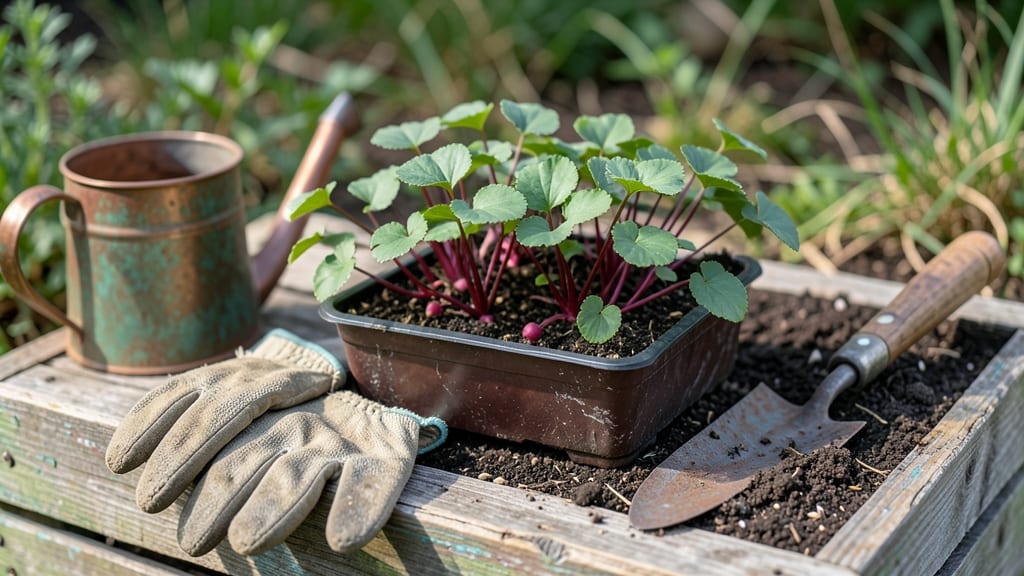
If you've ever planted beets in Central Texas only to watch them bolt into flower before producing sweet, tender roots, you're not alone. Timing is everything—especially when dealing with heat-sensitive varieties in our 8a climate.
The key to success lies in planting during the cooler months when the soil stays consistently cool, and choosing the right varieties that can handle our unpredictable swings.
Most gardeners in Central Texas know the drill: aim for late February to early March for spring planting and August to September for fall. But here's the catch—beets planted too early in spring can bolt when temperatures rise, while late summer plantings might struggle with heat stress.
By focusing on the ideal windows and heat-resistant varieties, you can avoid these common pitfalls and enjoy a bountiful harvest.
In this guide, I'll break down the best planting times for your region, including frost considerations and soil prep tips. You'll also discover which beet varieties actually thrive in Central Texas heat, so you can skip the guesswork and start growing with confidence.
Let's get those 🍠 roots growing the right way!
Whether you're a seasoned gardener or just starting out, these insights will help you plan ahead for a successful beet harvest—without the frustration of wasted effort. Ready to learn the secrets to growing beets that actually reach their full potential in our Texas climate?
Best planting times for beets in Central Texas climate zones
Central Texas’s hot summers and mild winters create a tricky timeline for growing beets. Unlike cooler climates, we can’t just plant in spring and expect success—beets here need strategic timing to avoid bolting (flowering prematurely) or frost damage.
The key is leveraging fall and spring windows when soil temps stay moderate, ideally between 50°F and 75°F.
Most gardeners in Austin, San Antonio, and Waco (USDA Zones 8a-9b) focus on two primary planting windows: late winter/early spring and late summer/early fall.
Spring planting starts after the last frost date (March 15), while fall planting wraps up by September 15 to harvest before the first frost (November 15). Missing these windows risks stunted growth or bitter roots.
Here’s the breakdown of ideal planting months for maximum yield:
| Season | Planting Window | Soil Temp | Key Notes |
|---|---|---|---|
| Spring | Late February–Early March | 50°F–65°F | Sow seeds 6–8 weeks before last frost. Use shade cloth if temps rise above 75°F. |
| Spring | April (succession) | 60°F–70°F | Plant every 2 weeks for continuous harvest. Avoid May heat—bolting risk increases. |
| Fall | August–September | 65°F–75°F | Best window for sweet, tender roots. Harvest before first frost (Nov 15). |
| Fall | October (late) | 55°F–65°F | Risky—use cold-hardy varieties like 'Detroit Dark Red' and mulch heavily. |
For spring planting, aim to sow seeds 6–8 weeks before your last frost date (typically late February to early March). This gives roots time to mature before Central Texas’s scorching summers kick in.
If you miss this window, don’t despair—succession planting in April can still yield a harvest, but avoid May plantings unless you’re using heat-resistant varieties and providing shade.
Fall planting is often more reliable in Central Texas. Start sowing in August for a harvest before the first frost (November 15). Soil temperatures stay cooler in fall, reducing bolting risks.
If you’re in higher elevations (e.g., Hill Country), you might squeeze in a late October planting, but prioritize cold-hardy varieties and protect seedlings with row covers.
One common mistake is planting beets in June or July. While possible with shade cloth and extra water, the intense heat (often exceeding 95°F) stresses plants, leading to bitter roots and bolting.
Instead, focus on the two primary windows and supplement with container gardening if space is limited. Containers let you move plants to shaded areas during peak heat.
Pro tip: Use a soil thermometer to monitor temperatures. Beets thrive when soil stays between 50°F and 75°F. If temps rise above 80°F, bolting accelerates. Pair this with drip irrigation to maintain even moisture—beets hate dry spells, which also trigger bolting.
Finally, don’t overlook microclimates in Central Texas. Urban areas like Downtown Austin can be 5–10°F warmer than rural zones, while elevated areas near Fredericksburg may experience earlier frosts. Adjust your planting dates accordingly, and always harden off seedlings before transplanting to avoid shock.
With the right timing, you’ll enjoy sweet, tender beets from spring through fall—no bolting, no frost damage, just homegrown success. 🌱
Best planting times for beets in Central Texas climate zones
Central Texas gardeners know timing is everything when planting beets. The key is avoiding bolting from heat and frost damage. With USDA Zone 8a-9b conditions, your best windows are late winter and early fall. Let's break down the perfect months for each season.
For spring planting, aim for late February through early March. This gives beets time to mature before summer heat sets in. Soil temperatures should reach 50°F consistently. In Austin, San Antonio, and Waco, this typically aligns with March 1-15 for optimal results.
| Planting Window | Ideal Months | Soil Temp | Notes |
|---|---|---|---|
| Spring Planting | Late Feb - Early Mar | 50°F+ | Harvest before summer heat |
| Fall Planting | Mid-Aug - Early Sep | 60°F+ | Avoid late-season frost |
| Succession Planting | Every 2-3 weeks | 50-60°F | Extend harvest season |
Fall planting offers another great opportunity from mid-August through early September. This timing allows beets to mature before first frost (typically mid-November). For continuous harvests, try succession planting every 2-3 weeks during these windows.
Remember that Central Texas summers can be brutal for beets. If you plant in April or May, use shade cloth and focus on heat-resistant varieties. Avoid planting after June 1 unless you're using specialized techniques to protect your crop.
For container growing, start seeds indoors 4-6 weeks before your target outdoor planting date. This gives you a head start on the season. Just ensure your containers have good drainage and are at least 6 inches deep to accommodate root growth.
Always check your local frost dates—Austin's last frost is around March 15, while San Antonio may see it slightly later. Use these dates as your guide for spring planting to avoid frost damage to young seedlings.