
Plants
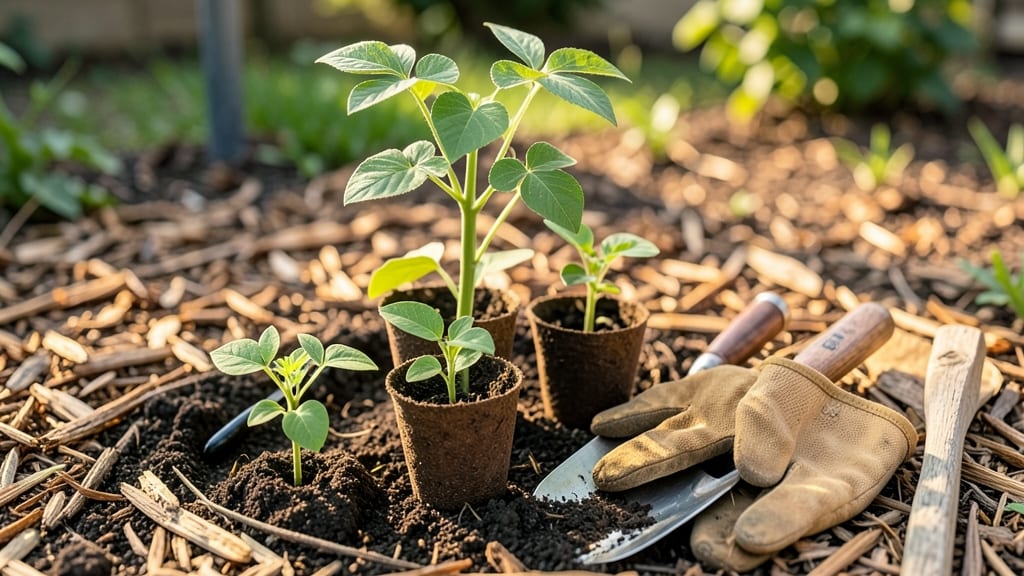
Timing your beans 🌱 planting in Zone 7 can make or break your harvest—especially when soil temperatures are just right for those fast, eager sprouts.
Too early, and your seeds will sit in cold soil, waiting forever to germinate. Too late, and you might miss the sweet spot for a fast harvest before summer heat sets in.
Getting it right means the difference between a garden full of thriving plants and a patch of disappointed dirt.
I’ve learned the hard way that soil temperature is the real secret here—not just the calendar. In Zone 7, we’ve got two prime windows to work with, but there are key tricks to make sure your beans pop up when you want them to.
Let’s break down exactly when to plant for maximum success, plus how to avoid the common mistakes that leave gardeners scratching their heads in July.
Ideal soil temperature ranges for planting beans in Zone 7
Beans are warm-season crops that thrive when soil temperatures consistently stay above 60°F. In Zone 7, this means waiting until late April or early May to plant for optimal germination. Cold soil can cause seeds to rot, while soil that's too hot may lead to poor root development.
Most bean varieties prefer soil temperatures between 65°F and 85°F for fast germination. Some cold-tolerant varieties like Purple Hull or Black Valentine can handle slightly cooler soils (55°F), but they still germinate best when the ground warms up.
To test your soil temperature, use a soil thermometer buried 2 inches deep. Check temperatures in the morning for the most accurate reading. If your soil is below 60°F, wait a few more days or use black plastic mulch to warm it up faster.
Planting too early in cold soil can lead to seed rot or stunted growth. Meanwhile, soil temperatures above 90°F can cause beans to bolt (flower prematurely) or develop poor-quality pods. Finding that sweet spot is key to a successful harvest.
In Zone 7, soil temperatures typically reach the 60°F threshold between mid-April and early May, depending on your exact location. If you're in a cooler microclimate, consider using row covers to warm the soil faster and extend your planting window.
For a second harvest in late summer, aim to plant beans when soil temperatures start cooling back down in August. This gives them time to mature before the first frost, which usually hits Zone 7 around mid-October.
Remember that soil temperature is more critical than air temperature. Even if the air feels warm, cool soil can delay germination. Always check with a thermometer to avoid disappointment.
If you're planting in containers, soil warms up faster than in-ground beds. This means you can start container-grown beans 1-2 weeks earlier than in-ground plants in Zone 7.
Best planting months for beans in Zone 7: a month-by-month guide
In Zone 7, timing your bean planting is everything—especially since the last frost date typically falls around April 15. Planting too early risks cold soil and slow germination, while waiting too long may mean summer heat stress.
Let’s break down the best months for both bush beans and pole beans to maximize your harvest.
For spring planting, aim for April through early May once soil temperatures consistently reach 60°F+. This window ensures your beans sprout quickly and thrive before summer’s heat peaks.
If you’re growing pole beans, they’ll need extra time to mature, so start them slightly earlier in late April.
Don’t overlook fall planting! In Zone 7, you can also sow beans in late August for a late-season harvest. This works because nights cool down by October 15, giving plants enough time to mature before the first frost.
Just avoid planting after mid-August, or your beans may not reach harvest before cold snaps.
Here’s a quick reference for your planting schedule:
Pro tip: Use row covers or black plastic mulch in early spring to warm the soil faster and extend your planting window. This is especially helpful if your April soil is still chilly. For pole beans, install trellises in late April so they’re ready when you plant.
Remember, Zone 7’s 180 frost-free days are your golden window. By aligning your planting with soil warmth and frost dates, you’ll avoid the most common mistakes and enjoy a steady harvest from June through October. Happy planting!
🌱