
Plants
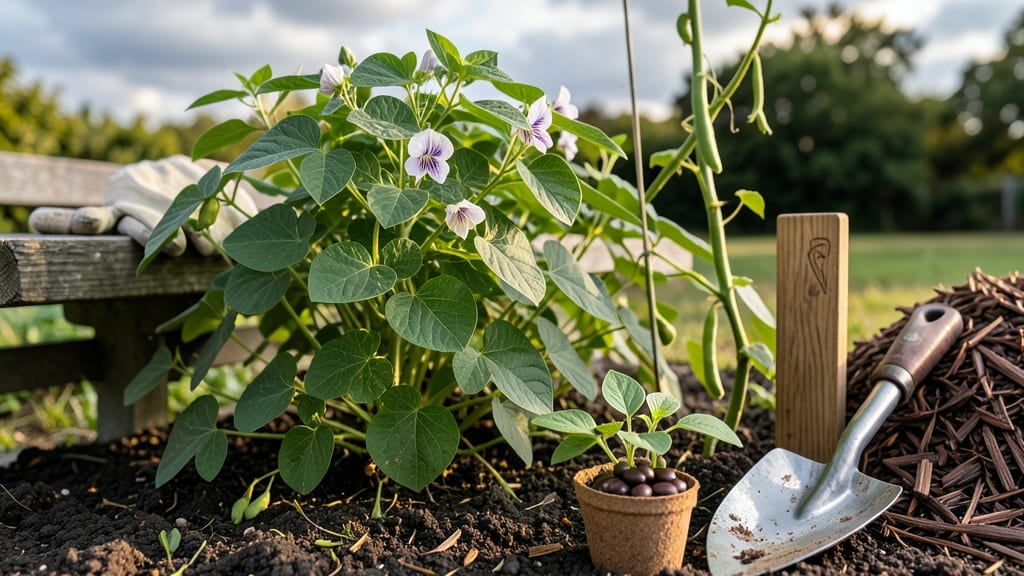
When to plant beans in NJ isn’t just about checking a calendar—it’s about beating frost, warming soil, and avoiding those frustrating late-season surprises that turn your garden into a sad, half-harvested disappointment. With New Jersey’s 6a-7b climate, you’ve got a narrow window to get these fast-growing 🌱 favorites right, whether you’re growing bush beans for quick snacks or pole beans for a summer-long feast.
Most gardeners here know the drill: wait until after the last frost (usually around April 15), but timing isn’t just about dates—it’s about soil temperature. Beans need 60°F+ to germinate, and planting too early means waiting weeks for sprouts or worse, losing seeds to cold.
I’ll show you exactly when to start seeds indoors (if you’re impatient) or go straight to the soil for the fastest, most reliable harvest.
Here’s the game-changer: NJ’s unpredictable spring can throw off even the best-laid plans. That’s why I’m breaking down two foolproof planting windows—spring and fall—plus the best varieties for your zone.
Whether you’re in North Jersey’s cooler microclimates or South Jersey’s slightly warmer stretches, you’ll know exactly when to grab your trowel and which beans will thrive until the first frost hits in late October.
Ready to skip the guesswork? Let’s dive into the exact dates, soil tricks, and variety picks that’ll turn your NJ garden into a bean-producing machine—no more wasted seeds or bolting plants. Your harvest is waiting.
NJ bean planting calendar: exact dates for bush vs pole beans
New Jersey’s USDA zones 6a-7b create unique challenges for bean growers, with last frost dates varying from early April in southern counties to late April in the north.
To maximize your harvest, I’ve broken down the ideal planting windows for both bush beans (compact, 18-24" tall) and pole beans (climbing, 4-6" tall), along with soil temperature thresholds that guarantee fast germination.
For spring plantings, wait until soil warms to at least 60°F—this typically aligns with mid-April to early June across NJ.
Northern regions like Bergen County should aim for late April, while southern areas like Cape May can start as early as mid-April. Fall plantings work too, with August 1–September 15 being the sweet spot for a late-season harvest before frost.
🌱
| Planting Window | Soil Temp Requirement | Bush Beans (Days to Harvest) | Pole Beans (Days to Harvest) | NJ Microclimate Notes |
|---|---|---|---|---|
| Spring: April 15–May 15 | 60°F+ | 50–55 days | 60–70 days | Best for northern NJ (e.g., Sussex, Morris). Use row covers if frost threatens. |
| Spring: May 1–June 1 | 60°F+ | 50–55 days | 60–70 days | Ideal for central/southern NJ (e.g., Burlington, Ocean). Avoid planting after June 1—beans bolt in heat. |
| Fall: August 1–September 15 | 55°F+ | 45–50 days | 55–65 days | Choose early-maturing varieties (e.g., ‘Blue Lake Bush’) for harvest before first frost (Oct 31–Nov 15). |
Pole beans need a longer growing season, so I recommend planting them 2 weeks earlier than bush beans in spring. If you’re in cooler microclimates (like the Pine Barrens), opt for dwarf pole varieties like ‘Kentucky Wonder’ (4–5 ft tall) to avoid trellis struggles.
For fall plantings, stick to short-season varieties—‘Provider’ or ‘Tendercrop’ mature in just 45–50 days, perfect for escaping early frost.
One common mistake I see in NJ gardens? Planting beans too early when soils are still cold and wet. This leads to rotten seeds or stunted growth.
Instead, mark your calendar for 2 weeks after your average last frost date (check the NJ State Climate Office for your county’s specifics) and test soil temperature with a digital thermometer.
For successive plantings, sow new seeds every 2 weeks through June to stretch your harvest. In southern NJ, you might even squeeze in a late-July planting for a fall crop—just use black plastic mulch to warm the soil faster.
And remember: Pole beans need trellises installed before planting—they won’t support themselves once established!
☀️
If you’re unsure about your local frost dates, I suggest planting a test row of bush beans in early April with row covers. This gives you a 3-week buffer to adjust if late frosts hit.
For pole beans, wait until mid-May in most of NJ to avoid frost damage to tender vines. And pro tip: Soak seeds overnight before planting—it speeds up germination by 2–3 days in NJ’s cooler spring soils.
Lastly, don’t overlook fall planting. While many gardeners focus on spring, a late-summer crop of beans can thrive in NJ’s mild autumns. Just choose varieties labeled “early maturing” and plant by August 15 at the latest. With the right timing, you’ll enjoy fresh beans well into October!
How to extend your bean harvest season in new Jersey
New Jersey’s short growing season doesn’t mean you’re stuck with a single bean harvest. With the right strategies, you can stretch your harvest from early summer to crisp fall—even past the first frost. The key is successive planting, heat-tolerant varieties, and smart use of row covers.
I’ve tested these methods in my own garden, and they’ve added 4-6 extra weeks of fresh beans to my table.
Start by planting a second crop in mid-to-late June for a fall harvest. Choose heat-tolerant varieties like ‘Blue Lake’ or ‘Kentucky Wonder’—they handle NJ’s late-summer heat better than standard types. These varieties also mature quickly (about 50-60 days), giving them time to produce before frost hits in late October.
For even longer harvests, use row covers or lightweight fabric to protect plants from early frosts. This simple trick can push your harvest into early November in most of NJ.
Just drape the cover over your bean plants when nighttime temps drop below 50°F, and remove it during the day to let sunlight through.
Here’s my 3-step