
Plants
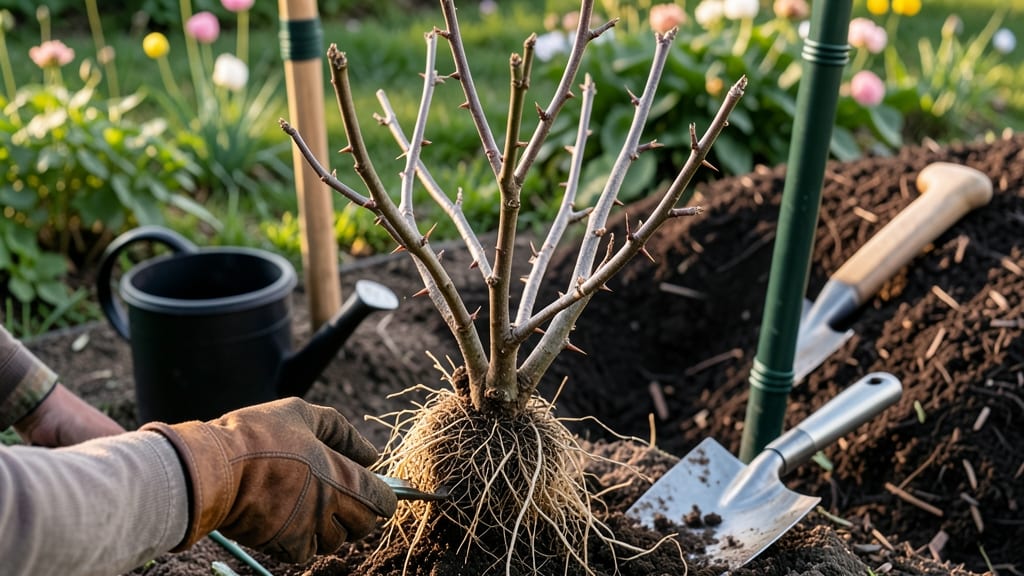
Planting bare root roses in Zone 6 at the wrong time can mean the difference between a thriving garden and a sad, struggling shrub. The key isn't just picking a season—it's understanding when your soil is ready to support those delicate roots.
Most gardeners assume early spring is the only option, but late fall can actually be a game-changer for your 🌹. The secret? Soil temperature plays a bigger role than you might think.
When those roots hit 40-50°F soil, they wake up and start growing—too early, and frost will still be lurking.
I've learned the hard way that planting too soon leads to weak roots and stunted growth. But timing it right? That's how you get roses that burst with color and health from their first season.
Let me show you exactly when to dig in for the best results in your Zone 6 garden.
We'll cover the ideal windows, how to test your soil, and what to watch for before sticking those roots in the ground. Trust me, getting this right makes all the difference for your roses' long-term success.
Optimal planting timeline for Zone 6 bare root roses based on soil temperature
In Zone 6, timing is everything when planting bare root roses. The ideal window spans from late winter to early spring and late summer to early fall, but soil temperature—not just calendar dates—determines success.
Most gardeners in Zone 6 (like Des Moines or Chicago) plant between March and April or September and October. However, rushing too early or waiting too late can stress your roses, leading to poor root establishment.
Bare root roses thrive when soil temperatures reach 40–50°F (4–10°C). This range signals that the ground has thawed enough for roots to absorb moisture without freezing.
In Zone 6, this typically aligns with 4–6 weeks after the last frost date (usually mid-April) or 4–6 weeks before the first frost (mid-October). For example, if your last frost is April 15, aim to plant by mid-May—but only if soil temps are consistently above 40°F.
Why does soil temperature matter so much? Cold soil slows root growth, while warm soil encourages rapid establishment. If you plant too early, roots may suffocate in cold, wet soil.
Planting too late risks exposing roses to heat stress or early frost. The key is to balance soil warmth with cool air temperatures—a sweet spot for Zone 6 gardeners.
Here’s the critical rule: Never plant when soil temps are below 40°F or above 70°F. Use a soil thermometer (available for $10–$15) to check depth. Insert it 6 inches deep—the level where rose roots will grow.
If your thermometer reads consistently between 40–50°F for 3–5 days, it’s time to plant.
For fall planting, Zone 6 gardeners often prefer September or early October. This gives roots time to establish before winter dormancy. However, avoid planting after mid-October unless you’re in a microclimate with delayed frosts.
For instance, Denver (Zone 6a) might plant until early November, while Buffalo (Zone 6b) should finish by late October.
| Planting Window | Soil Temp Range | Zone 6 Months | Key Considerations |
|---|---|---|---|
| Early Spring | 40–50°F (4–10°C) | March–April | Wait for last frost + 4 weeks; soil must thaw. |
| Late Fall | 40–50°F (4–10°C) | September–October | Plant 4–6 weeks before first frost; mulch heavily. |
| Avoid | <40°F or >70°F | November–February | Roots won’t establish; risk of freeze damage or heat shock. |
Pro tip: If you’re unsure about soil temps, use the "finger test"—stick your hand 6 inches deep into the soil. If it feels cool but not freezing, it’s likely in the ideal range.
Pair this with checking for bud swell on your bare root roses. When buds are just starting to plump (but not yet open), it’s time to plant.
For container gardening in Zone 6, the timeline shifts slightly. Potted roses can handle warmer soil (up to 60°F) because containers heat up faster. However, still avoid planting when nighttime temps drop below 45°F.
Move containers to a sheltered spot or use black plastic pots to absorb and retain heat.
One common mistake in Zone 6 is planting based on calendar dates rather than soil conditions. For example, planting in mid-March might seem early, but if a late frost hits, your roses could suffer.
Always monitor local forecasts and adjust. Tools like the National Weather Service’s frost maps or apps like PlantNet can help track microclimate variations in your area.
Finally, remember that bare root roses are dormant when you plant them. Their roots won’t wake up until soil temps rise above 50°F. This dormancy is your advantage—it means you have a 4–6 week buffer to plant without immediate stress.
Use this window to prepare your soil with compost and organic matter, ensuring roots have the nutrients they need to establish quickly once they start growing.
Optimal planting timeline for Zone 6 bare root roses based on soil temperature
Zone 6 gardeners have two prime windows to plant bare root roses: early spring (just before bud break) and late fall (4-6 weeks before first frost). The key? Soil temperature must reach 40-50°F—this triggers root growth without waking the plant too soon.
In Zone 6, that typically means March-April for spring or October-November for fall.
Spring planting gives roses a full growing season to establish roots before summer heat arrives. Fall planting, however, allows roots to settle before winter dormancy. Both strategies work, but soil warmth is non-negotiable—cold soil can stunt root development, leaving your roses vulnerable to disease and winter kill.
Here’s the golden rule: Never plant when soil temps dip below 40°F. Use a soil thermometer (just $10 at garden centers) to check—insert it 4-6 inches deep where you’ll plant. If it reads below 40°F, wait. Patience here prevents root rot and ensures robust growth.
| Planting Window | Soil Temp Threshold | Zone 6 Timing | Key Action |
|---|---|---|---|
| Early Spring | 40-50°F | Mid-March to early April | Soak roots 4-6 hrs; plant before buds swell |
| Late Fall | 40-50°F | Late October to mid-November | Plant 4-6 weeks before first frost; mulch heavily |
| Avoid | Below 40°F | Late winter/early spring | Risk of root rot; wait for warmer soil |
Microclimates matter in Zone 6! A south-facing slope warms up faster than a shady corner, so adjust your timing accordingly. For example, if you’re in Zone 6a (colder end), aim for late March—whereas Zone 6b (warmer) can start as early as mid-February.
Always check your local USDA frost dates for precision.
Pro tip: If you’re planting in late fall, choose hardy rose varieties like ‘Dr. Huey’ or ‘Knock Out’—they tolerate colder soils better. For spring planting, go for early bloomers such as ‘Julia Child’ or ‘The Fairy’ to maximize your first flush of flowers.
Once you’ve nailed the timing, focus on soil prep. Amend with compost and bone meal (1-2 inches) to boost phosphorus for root growth. Water deeply after planting to eliminate air pockets, then mulch with 3-4 inches of organic mulch to retain moisture and regulate soil temperature.