
Plants
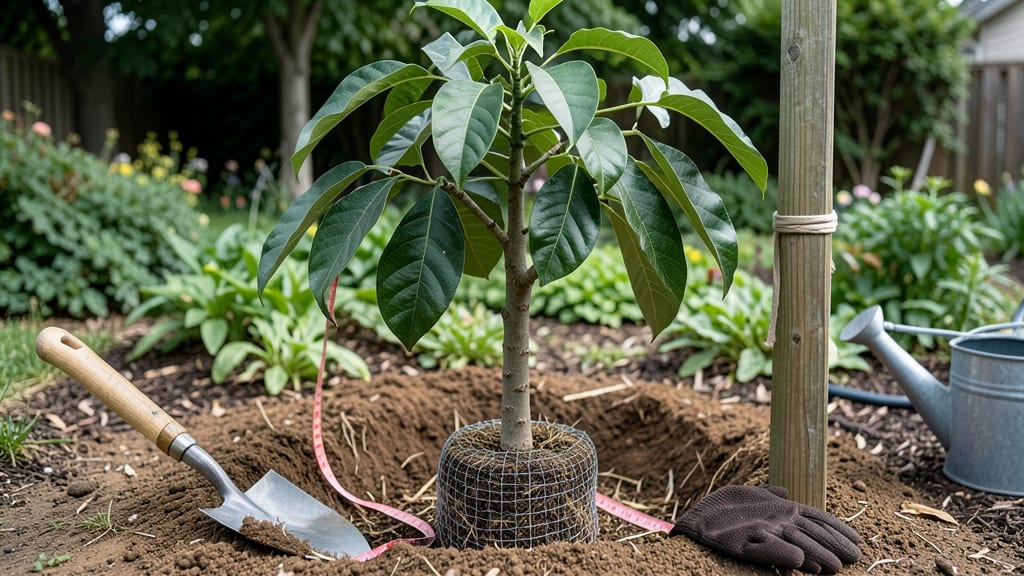
Timing when to plant an avocado tree in the ground just right can mean the difference between a thriving 🥑 giant and a sad, frost-nipped sapling.
These tropical trees need warmth to take root, and planting too early in cooler zones like USDA Zone 6 risks killing your investment before it even gets started.
Most gardeners wait until after the last frost—typically mid-April in Zone 6—but there’s more to it than just the calendar. Soil temperature matters just as much as air temperature, and avocados demand consistent warmth to avoid shock.
Let’s break down the exact windows and tricks to give your tree the best possible start.
You’ll discover how to read your local climate clues, from tracking frost-free days to testing soil warmth, so you never guess again. Plus, I’ll share my top tips for preparing the ground—because even the perfect timing won’t help if the soil isn’t ready.
Whether you’re in a mild Zone 10 or a chilly Zone 6, this guide ensures your avocado tree gets planted at the ideal moment for strong roots and fast growth. Let’s get those saplings in the ground the right way.
Best planting months for avocado trees by USDA hardiness zones
Timing your avocado tree planting is critical—these tropical trees despise frost, and cold soil can stunt their roots for years. The ideal window depends on your USDA zone, but generally, you’ll want to plant after the last frost date when soil temperatures consistently stay above 60°F (15°C).
In colder zones, this might mean waiting until late spring or early summer, while warmer climates can plant in fall or winter.
Avocado trees thrive in USDA zones 9-11, but with protection, you can grow them as far north as zone 6. The key is avoiding frost exposure and ensuring the ground isn’t still chilly from winter.
In zone 7-8, aim for May or early June, while zone 9-10 gardeners can plant as early as March or April or even fall for a head start.
Here’s a zone-by-zone breakdown of the best planting months, including soil temperature thresholds and frost risks to watch for:
If you’re in zone 6 or 7, I recommend waiting until after Memorial Day to ensure the ground has warmed enough. Use a soil thermometer to confirm temperatures—60°F+ is non-negotiable for root health.
In warmer zones (8-11), you can plant as early as February, but avoid extreme heat (above 90°F/32°C), which stresses young roots.
Pro tip: In cold climates, start your avocado in a container indoors or in a greenhouse, then transplant outdoors after the last frost. This gives roots a head start before facing outdoor conditions. For zone 9-10, fall planting (September-October) lets trees establish roots before summer heat arrives.
One common mistake is planting too early in spring when the soil is still cold. Cold soil slows root growth, making trees vulnerable to transplant shock. Always check for frost-free forecasts in your area—websites like Almanac.com provide local last-frost dates.
For container-grown avocados, timing is less critical since you can move pots indoors during cold snaps. However, even potted trees need 6+ hours of sunlight daily to thrive. If you’re in zone 6, consider dwarf
How to prepare your garden for avocado tree planting success
Avocado trees thrive when planted in well-prepared soil with the right conditions. Start by testing your soil pH—aim for a range of 6.0 to 7.0. These trees hate soggy roots, so improve drainage with organic matter like compost or coarse sand.
If your yard is heavy clay, consider planting in a raised bed or mound to prevent waterlogging.
Next, choose a sunny location with at least 6+ hours of sunlight daily. Avocados love warmth, so avoid shady spots where growth slows. Clear the area of weeds and loosen the soil to a depth of 12-18 inches for easy root penetration.
If your climate is chilly, add a mulch layer to insulate roots during cooler months.
For cold climates (USDA Zones 6-8), consider planting in large containers with wheels for winter protection. Use a high-quality potting mix with perlite for drainage. If planting in-ground, dig a hole twice as wide as the root ball to encourage root spread.
Amend the soil with aged compost or well-rotted manure to boost nutrients.