
Plants
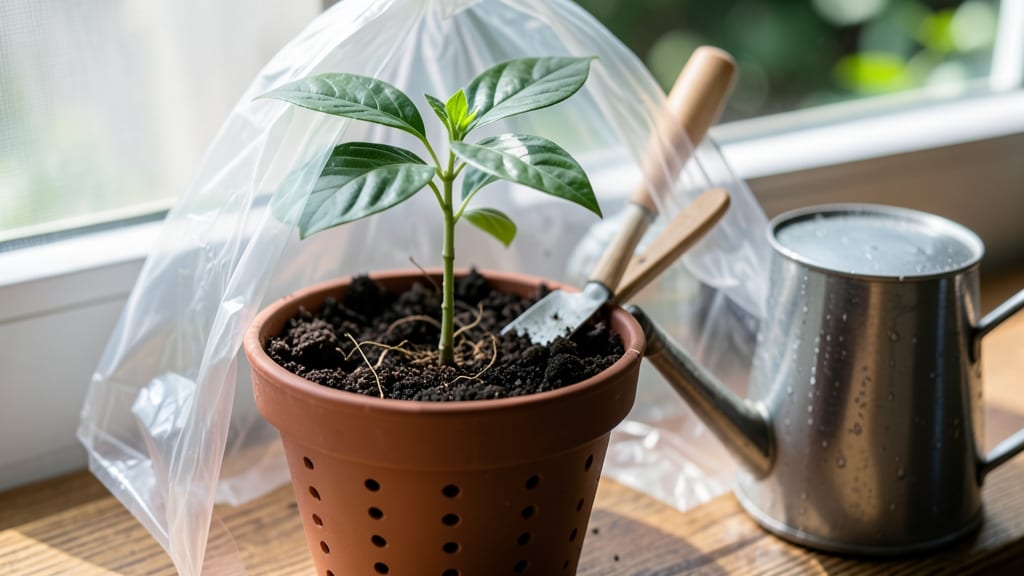
Planting your avocado seed in soil at the wrong time can mean weeks—or even months—of disappointment instead of watching that little 🥑 sprout grow into a thriving tree. The key to success isn’t just patience; it’s knowing exactly when soil temperatures and seasonal conditions align for the best germination results.
In colder climates like Zone 6a, timing matters most—planting after the last frost (around mid-April) gives your seed the warm, stable environment it needs to root. But in warmer zones (like 9b+), you can plant year-round, though summer’s heat demands extra care to keep moisture levels just right.
Whether you’re pre-sprouting your pit in water or jumping straight to soil, understanding these triggers can cut your wait time in half.
I’ll walk you through the signs your seed is ready, how to adjust for your climate, and what to do if you’ve planted too early or late—so you’re not left staring at a stubborn, dry pit.
Let’s turn that seed into a seedling with confidence—no guesswork required. You’ll learn the exact window to plant, plus pro tips to speed up growth and troubleshoot common timing mistakes. Ready to grow?
Optimal soil planting times for avocado seeds by climate Zone
Timing your avocado seed planting is everything—plant too early, and your seedling may rot in cold soil; too late, and you miss the germination window when soil temperatures are ideal.
Most gardeners in USDA Zones 8-11 can plant year-round, while those in Zones 6-7 should wait until after the last frost. Understanding your climate zone ensures your seedling gets a strong start.
For tropical zones (9b-11), you can plant avocado seeds in soil anytime, but spring (March-May) offers the best balance of warmth and moisture. In temperate zones (6-8), aim for late spring (May-June) when soil temperatures consistently stay above 60°F (15°C).
Cold snaps can kill young seedlings, so avoid planting before your last frost date.
If you're in Zone 5 or colder, start seeds indoors in warmth-controlled environments (like a greenhouse) 8-10 weeks before your last frost, then transplant outdoors only after soil warms. Zone 5 gardeners often face the toughest challenge—patience is key, as seedlings need consistent warmth to thrive.
🌱
| Climate Zone | Best Planting Months | Soil Temp Requirement | Key Considerations |
|---|---|---|---|
| Zones 9b-11 (Tropical) | Year-round (peak: Mar-May, Sep-Nov) | 60°F+ (15°C+) | Avoid summer planting in extreme heat; use shade cloth. |
| Zones 8a-8b (Warm Temperate) | Mar-Jun, Sep-Oct | 65°F+ (18°C+) | Monitor for late frosts; mulch heavily in fall. |
| Zones 6-7 (Cool Temperate) | May-Jun (after last frost) | 70°F+ (21°C+) | Start indoors 8-10 weeks before transplanting. |
| Zones 5 & Colder (Cold) | Indoors (Feb-Mar), Outdoors (Jun-Jul) | 75°F+ (24°C+) | Grow in containers; move indoors in winter. |
In Zone 9b and warmer, you can plant avocado seeds in soil almost anytime, but spring and fall still offer the best conditions. The key is maintaining consistent soil moisture and protecting seedlings from intense afternoon sun during summer.
Use shade cloth (30-50%) if planting in peak heat to prevent stress.
For Zones 6-8, timing aligns with your last frost date. Check your local USDA frost calendar—planting too soon risks root rot from cold, damp soil. A simple trick: stick a soil thermometer 2 inches deep; wait until it reads 65°F (18°C) for at least 3 days before planting.
If you miss the ideal window, don’t panic. You can still plant in late summer (August-September), but choose a sheltered location to protect seedlings from fall temperature drops. Mulch heavily with straw or wood chips to insulate roots and retain warmth.
🌡️
Pro tip: Pre-sprout your avocado pit in water for 4-6 weeks before planting in soil. This gives you a head start and lets you time your soil planting more precisely. Once roots reach 2-3 inches and a sprout appears, it’s ready for its first taste of soil.
Remember, patience pays off. Avocado seedlings grow slowly at first, but with the right timing, you’ll set yours up for years of healthy growth. Next, we’ll cover how to spot when your seedling is truly ready for soil—don’t miss the critical readiness signs!
How to tell when your avocado seed is ready for soil planting
Before you rush to plant your avocado seed in soil, it needs a crucial head start. Most seeds benefit from pre-sprouting in water, which gives you a clear sign of readiness.
Look for 2-3 inch roots forming from the bottom and a small sprout emerging from the top—this usually takes 4-8 weeks. Without these signs, your seed risks rotting in damp soil or failing to establish.
Timing your transplant depends on these three key indicators: root length, sprout development, and moisture balance. A seed with 1-inch roots and a 1-inch sprout is ideal for soil planting, but wait if roots exceed 3 inches—they’ll need extra care to avoid breakage.
Overwatering during this stage is a common mistake that leads to root rot before germination even begins.