
Plants
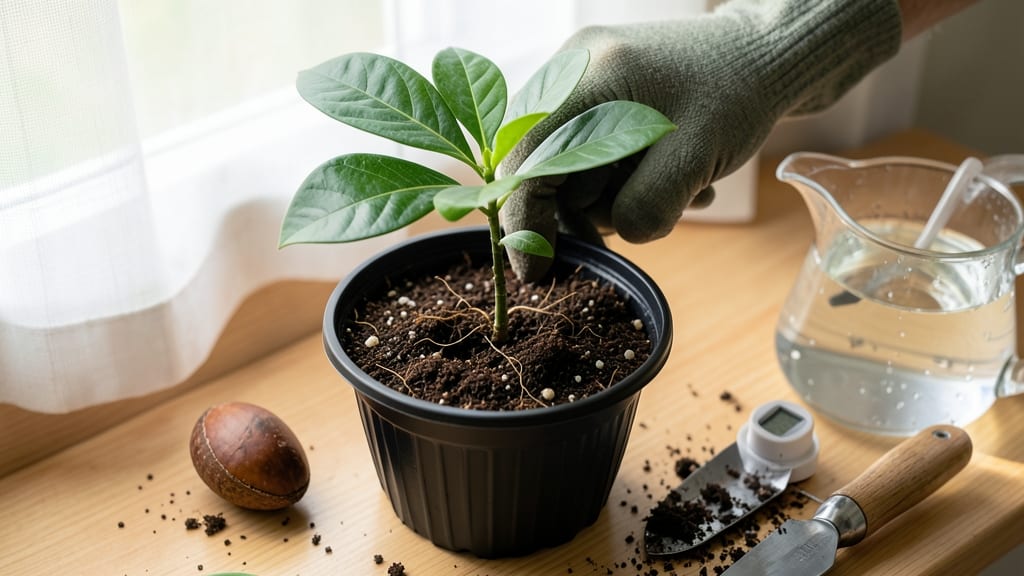
Knowing when to plant an avocado pit in soil can mean the difference between a thriving 🥑 tree and a sad, moldy pit. The best time isn’t just about the calendar—it’s about your climate, indoor setup, and patience (yes, there’s a science to it!).
For most gardeners in Zone 6 or similar temperate areas, spring is your golden window—after the last frost when soil warms up. But if you’re indoors, you can start anytime, as long as you mimic those ideal conditions. The key? Balancing moisture, warmth, and a little luck.
I’ve tested this process myself, and the results speak for themselves: a well-timed planting leads to faster germination and healthier growth. Whether you’re a first-timer or a seasoned plant parent, these tricks will help you avoid the most common pitfalls—like rot or stalled sprouts.
Let’s break down the exact schedule, soil prep, and indoor vs. outdoor strategies so you can go from pit to plant with confidence. Ready to grow your own avocado tree?
Optimal planting times for avocado pits by climate Zone
Timing your avocado pit planting is the first step to success. Unlike seeds, pits need specific soil temperatures and humidity levels to germinate. Plant too early in cold climates, and your pit will rot; too late, and germination slows dramatically.
Here’s how to align your planting with your local climate for the best results.
Avocado pits thrive in warm soil (above 65°F/18°C). In tropical zones (USDA 10-12), you can plant year-round, but spring planting (March-May) gives the longest growing season before summer rains. In temperate zones (USDA 8-9), aim for late spring after the last frost when soil warms to 70°F/21°C.
For cold climates (USDA 6-7), start pits indoors in early spring (February-March) to transplant outdoors after May 15. If you miss this window, wait until July-August for a second chance, but expect slower growth before winter dormancy.
🌱
In tropical climates, the wet season (June-September) can drown pits, so opt for dry-season planting (November-February) in regions like Hawaii or Florida. For container growing, tropical zones can plant anytime, but spring ensures faster growth before monsoon rains.
If you’re in a temperate zone (e.g., California, Oregon), wait until after May 15 to plant outdoors. Use black plastic mulch to warm soil faster if needed. For Zone 7, consider a mini greenhouse to extend the season by 4-6 weeks.
Cold-climate gardeners should never plant pits directly outdoors before June 1. Instead, start them in water-filled jars by February 1 to transplant as seedlings by May 15. This 2-step process ensures roots establish before frost risk.
🌡️ Key Rule: Plant when your average nighttime temps stay above 55°F/13°C—this prevents root shock from sudden cold snaps.
For desert regions (e.g., Arizona, Nevada), avoid summer planting due to extreme heat. Instead, plant in late August when temps drop below 95°F/35°C. Use shade cloth for the first 2 weeks to reduce stress.
Regardless of climate, test soil moisture before planting. Stick your finger 2 inches deep—if dry, wait 1-2 days. If soggy, let it dry for 3-5 days to prevent anaerobic rot.
Optimal planting times for avocado pits by climate Zone
Timing your avocado pit planting is critical—too early risks rot, while too late delays germination. The best time depends on your climate zone and whether you’re starting indoors or outdoors.
For warm climates (Zones 9-11), plant directly in spring or early summer when soil stays above 60°F (15°C). In temperate zones (Zones 7-8), start indoors in late winter (February-March) to transplant outdoors after frost.
Cooler regions (Zones 3-6) should begin indoors in early spring (March-April) and keep seedlings inside until all frost risk passes.
Soil temperature is your best indicator. Avocado pits need consistent warmth (70-80°F / 21-27°C) to germinate. Use a soil thermometer to check—if it’s below 60°F (15°C), wait or start indoors under grow lights.
Humidity also matters: 50-70% humidity speeds up germination, while dry air can stall sprouting. In arid climates, cover the container with plastic wrap to retain moisture until roots emerge.
🌱
| Climate Zone | Best Planting Time | Soil Temp Threshold | Starting Method |
|---|---|---|---|
| Tropical (Zones 9-11) | Spring (March-May) or Early Summer (June) | 60°F+ (15°C+) | Direct outdoor planting |
| Temperate (Zones 7-8) | Indoors (Feb-Mar) → Outdoors (May-June) | 70°F+ (21°C+) | Indoor start, transplant after frost |
| Cold (Zones 3-6) | Indoors (Mar-Apr) → Outdoors (June) | 65°F+ (18°C+) | Indoor start, overwinter inside |
If you miss the ideal window, don’t panic—avocado pits are perfectly fine to plant up to 6 months after the fruit was harvested. Just soak the pit for 24 hours before planting to rehydrate it.
For container growing, use a 4-inch pot with drainage holes and cactus/succulent mix to prevent root rot. Place the pot in a sunny spot (south-facing window or grow lights) and keep soil consistently moist but never soggy.
Pro tip: Label your pit with the planting date—most avocado pits germinate in 2-12 weeks, but tracking helps you adjust care. If you’re in a cooler climate, consider using a seedling heat mat ($10-$15) to maintain 75°F (24°C) soil temps, which can cut germination time in half.
Just avoid overheating above 85°F (29°C), or roots may scorch.
Once your avocado seedling reaches 6-12 inches tall, it’s ready for outdoor transplantation (after last frost). Harden it off by moving it outside for 2-3 hours daily over 1-2 weeks to prevent shock.
In USDA Zone 10+, you can plant outdoors year-round, but Zone 9 and below should wait until May-June to avoid late frosts that can kill young plants.
Remember: Patience is key—avocado trees grown from pits take 3-13 years to bear fruit, but proper timing and care from day one sets the foundation for a healthy, productive tree. Start with the right seasonal approach, and you’ll be enjoying homegrown avocados in no time!
🌿