
Plants
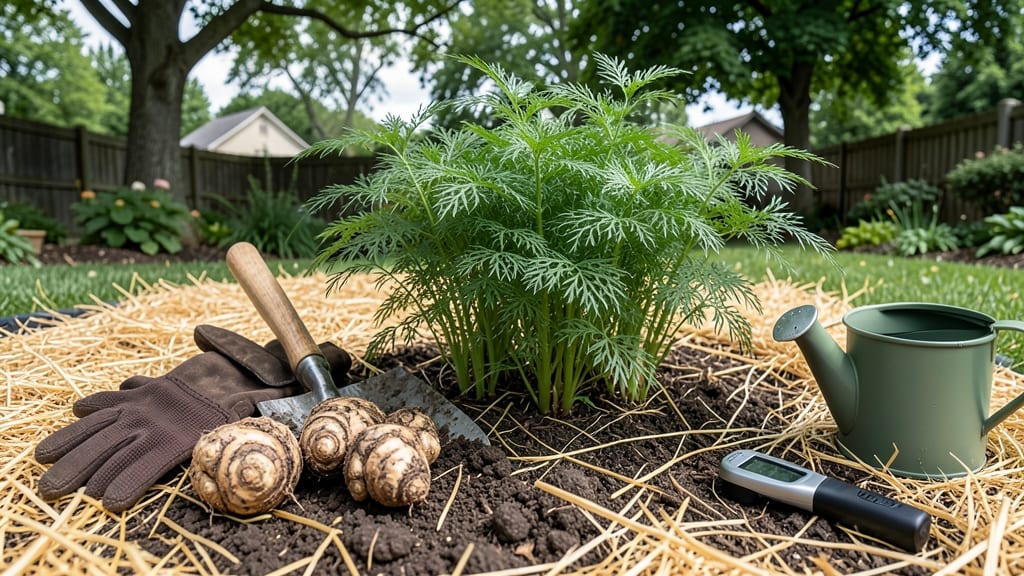
Planting asparagus in Seattle can feel like playing a high-stakes game of timing—get it wrong, and you might end up with sparse harvests or worse, no spears at all.
But here’s the good news: with the right approach, you can grow thick, lush asparagus that thrives in Zone 8a’s damp, unpredictable springs.
The key to success lies in waiting for the soil to warm up to at least 50°F, typically between March and April, when the risk of frost has passed. Seattle’s cool, rainy springs can delay planting, but rushing it could leave your crowns struggling.
I’ll show you exactly how to time it right—so you’re not left guessing whether your 🌱 asparagus will take off or fizzle out.
Why does this matter? Because asparagus is a long-term investment—once planted, it can produce for 10+ years if given the right start. We’ll cover soil prep, crown depth, and even how to adjust for Seattle’s microclimates, whether you’re in a sunny urban yard or a shadier suburban plot.
Skip the trial-and-error and learn how to plant asparagus with confidence. By the end, you’ll know the exact moment to dig in—and how to set your crop up for a bountiful first harvest by next spring.
Seattle’s perfect asparagus planting window: soil temperature & weather rules
Seattle’s cool, damp springs demand precise timing for planting asparagus crowns. Unlike warmer climates, your soil temperature—not just calendar dates—dictates success. Aim for 50°F soil warmth at 6-inch depth, which typically occurs in late March to early April in most of Seattle.
Urban areas like Ballard or Fremont often warm 1-2 weeks earlier than rural spots near Mount Rainier. Use a soil thermometer to verify—planting too early risks crown rot from cold, wet soil, while waiting too long delays your first harvest by a full year.
Seattle’s average last frost date is March 15, but microclimates vary. Plant 1-2 weeks after your local frost date to account for late cold snaps. For example, Snoqualmie Valley may need to wait until mid-April.
Key soil triggers: Asparagus crowns need consistent 50°F+ soil for 2+ weeks before planting. Check mornings after sunny days—soil warms faster then. If your garden sits in deep shade, extend your planting window by 3-4 weeks.
| Factor | Seattle Ideal | Adjustment Tips |
|---|---|---|
| Soil Temperature | 50°F+ at 6" depth | Use soil thermometer; test daily after sunny days |
| Last Frost Date | March 15 (urban), April 1 (rural) | Plant 1-2 weeks after local frost date |
| Microclimate | Urban: 2 weeks earlier | Observe neighbors' gardens or use local frost maps |
| Shade Level | Full sun (6+ hours) | Delay planting by 3-4 weeks in partial shade |
| Soil Moisture | Well-drained | Avoid waterlogged soil; amend with compost |
Seattle’s Pacific Northwest climate brings unpredictable rain even after frost dates. If your soil stays cold and soggy past April 15, consider container planting with heat mats to warm roots faster. Black plastic mulch can raise soil temps by 5-10°F—apply it 2 weeks before planting.
For cold-hardy varieties like 'Mary Washington' or 'Purple Passion', you can push the window slightly earlier (mid-March) if you use row covers for frost protection. However, these varieties still need consistent warmth to establish roots properly.
Pro tip: Test your soil 2-3 times weekly starting February 15. If temps hover around 45°F, delay planting. The first 30 days after planting are critical—crowns need warmth to send out roots, not just shoots. Rushing risks stunted growth for years.
Remember: Asparagus is a perennial that takes 2-3 years to reach full production. Planting at the right time ensures decades of harvests, while a poor start may leave you waiting 5+ years for spears.
Seattle’s cool summers also mean slower early growth—patience pays off with thick, tender spears by year 3.
Seattle’s perfect asparagus planting window: soil temperature & weather rules
Timing your asparagus planting in Seattle hinges on two critical factors: soil temperature and frost risk. Unlike warm-climate crops, asparagus crowns need the ground to reach at least 50°F before planting—this usually happens between late March and mid-April in most of Zone 8a.
But Seattle’s microclimates can shift this window by weeks, especially if you’re in a cooler urban pocket or a warmer suburban area.
Use a soil thermometer to confirm readiness—stick it 4 inches deep and wait until it consistently reads 50°F+ for 3-5 days. This ensures your crowns won’t sit in chilly, soggy soil, which can rot the roots before they even sprout.
Pro tip: Test multiple spots in your garden, as Seattle’s rain-soaked soil can create uneven warmth.
🌱
🌱 Seattle Asparagus Planting Timeline
| Stage | Action | Soil Temp |
|---|---|---|
| Early March | Prep beds, add compost | 40-45°F |
| Late March | Plant crowns (if soil ≥50°F) | 50°F+ |
| April-May | Mulch heavily, monitor for sprouts | 55-65°F |
| June-July | First harvest (Year 2+) | 65-75°F |
Seattle’s average last frost date is around March 15, but don’t let that fool you into planting early. A late frost in April can still damage tender asparagus shoots.
If you’re in a windy or exposed area, like near Puget Sound, consider waiting an extra week—cold winds can mimic frost damage by stunting growth.
For urban gardeners, city heat islands might warm your soil faster. Check with neighbors or local community gardeners to see if their asparagus is already sprouting—this is your cue to plant! Just remember: patience is key with asparagus. Rushing leads to weak crowns and poor yields.
Once your soil hits the 50°F threshold, act fast—crowns can dry out if left exposed. Aim to plant within 2-3 days of confirming the right conditions. This is your ideal planting window for maximum spear production in Seattle’s climate.
☀️