
Plants
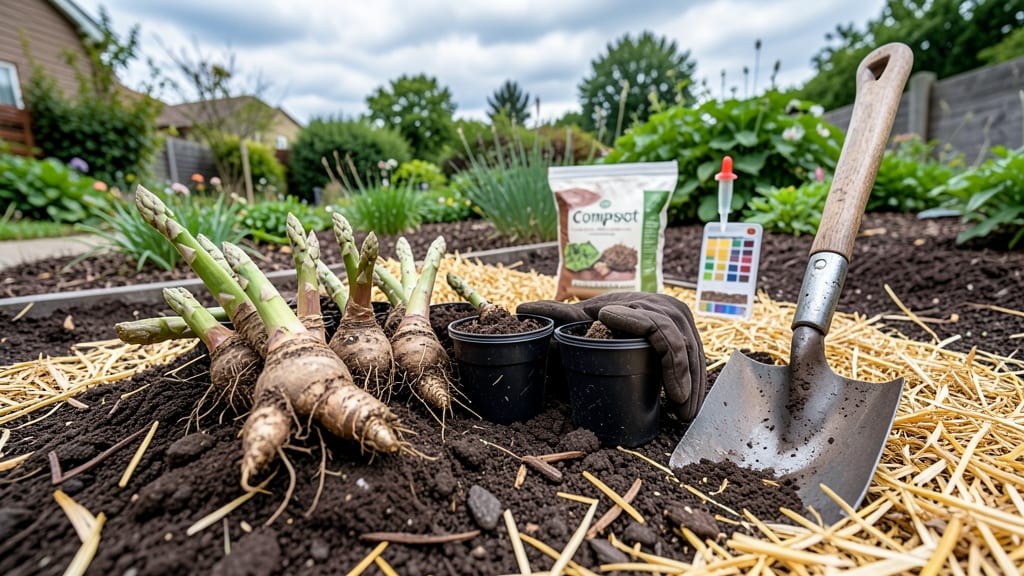
Timing your asparagus planting in Kentucky could make or break your harvest—because those delicate crowns need the perfect window to thrive in USDA Zone 6a. Plant too early, and frost will zap your chances; too late, and you’re waiting years for spears.
The ideal moment arrives when soil warms to 50°F—typically March to April, right after Kentucky’s last frost around March 15.
Here’s the secret: Kentucky’s mild climate lets you plant 🌱 asparagus crowns (not seeds) in early spring for a head start, or even in September for a fall alternative. But spring is the gold standard—giving roots time to establish before summer’s heat.
We’ll break down the exact steps to prep your soil, avoid common pitfalls, and ensure your asparagus beds are ready for years of harvests.
Why does this matter? Because asparagus is a patient plant—it won’t give you spears until year 2 or 3, and getting the timing right means fewer wasted seasons.
Whether you’re a first-timer or a Kentucky gardener looking to optimize, this guide will help you skip the guesswork and dig in with confidence.
From soil pH to frost dates, we’ll cover everything you need to know to plant asparagus like a pro—so you can enjoy fresh, homegrown spears by next spring. Let’s get those crowns in the ground the right way!
Best planting months for asparagus in Kentucky’s climate zones
Kentucky’s USDA zones 6a–7a offer ideal conditions for asparagus, but timing your crown planting is critical. The perfect window spans mid-March to early April, when soil temperatures reach 50°F (10°C)—warm enough for root growth but cool enough to avoid summer stress.
This aligns with Kentucky’s average last frost date (March 15), ensuring tender crowns aren’t damaged by late freezes.
For fall planting, aim for late September, giving crowns time to establish roots before winter dormancy. However, this method is riskier in Kentucky due to unpredictable early frosts and requires extra mulch protection. Most Kentucky gardeners prefer spring planting for reliability and faster harvests.
Soil temperature is your best guide: use a soil thermometer to confirm 50°F (10°C) at 4-inch depth. In northern Kentucky (zone 6a), wait until after April 1 to avoid frost.
Southern Kentucky (zone 7a) can plant as early as mid-March, but monitor 7-day forecasts for late cold snaps.
Here’s how Kentucky’s climate zones break down for asparagus planting:
| Zone | Ideal Planting Window | Soil Temp Requirement | Frost Risk |
|---|---|---|---|
| 6a (Northern KY) | Mid-April to early May | 50°F (10°C) minimum | High (last frost: March 15–April 1) |
| 7a (Southern KY) | Mid-March to early April | 50°F (10°C) minimum | Moderate (last frost: March 1–15) |
| Fall Planting (Both Zones) | Late September (high risk) | 55°F (13°C) minimum | Very high (early winter frosts) |
Pro tip: Kentucky’s microclimates vary dramatically. If you’re near the Ohio River Valley or Bluegrass Region, you can plant 1–2 weeks earlier than the average. Conversely, mountainous areas (like Eastern Kentucky) may need to delay until after April 15 to avoid late frosts.
For seed planting (less common but viable), Kentucky gardeners should start seeds indoors in February and transplant after last frost. However, crowns are far more reliable for Kentucky’s climate, yielding harvests 2 years sooner than seeds.
Choose 1-year-old crowns from reputable nurseries like Johnny’s Selected Seeds or local Kentucky growers.
Once you’ve nailed the planting window, focus on soil preparation. Kentucky’s clay-heavy soils (common in the Bluegrass) need amendments to improve drainage. Aim for a pH of 6.5–7.5 and incorporate 3–4 inches of compost or well-rotted manure.
This step is non-negotiable—poor drainage leads to crown rot, a fatal disease in Kentucky gardens.
After planting, mulch heavily with straw or shredded leaves to retain moisture and suppress weeds. In Kentucky’s humid summers, mulch also prevents asparagus rust, a fungal disease that thrives in damp conditions.
Water deeply 2–3 times per week until establishment, then taper to 1 inch per week once roots are established.
Remember: patience is key. Asparagus crowns take 2–3 years to mature, but with the right Kentucky timing, you’ll enjoy heavy harvests for 15+ years. Start now, and your garden will thank you with tender spears by spring 2025!
Best planting months for asparagus in Kentucky’s climate zones
Kentucky’s USDA zones 6a–7a offer a near-perfect climate for asparagus, but the last spring frost (typically around March 15) and soil temperature (at least 50°F) dictate the ideal planting window.
Most Kentucky gardeners achieve the best results by planting 1-year-old crowns in early spring (March–April), when the ground is workable but frost risk has passed.
For those who prefer fall planting, late summer to early fall (around September) works, but requires extra mulch protection to prevent winter damage. Fall-planted crowns establish roots before dormancy, giving them a head start in spring.
However, spring planting remains the safer bet for beginners due to Kentucky’s unpredictable late frosts.
| Planting Window | USDA Zone Fit | Soil Temp Requirement | Frost Risk | Best For |
|---|---|---|---|---|
| March–April (Spring) | 6a–7a | 50°F+ | Low (post-last frost) | Beginners, reliable harvest |
| September (Fall) | 6a–7a | 60°F+ | High (winter protection needed) | Experienced gardeners |
If you’re planting in northern Kentucky (zone 6a), aim for late March to early April to avoid late frosts that can blacken emerging shoots. In southern Kentucky (zone 7a), you can plant as early as February, but soil may still be too cold for root establishment.
Always check your local Almanac frost dates—Kentucky’s microclimates can shift planting windows by 2–3 weeks.
Pro tip: Soil temperature matters more than air temperature. Use a soil thermometer to confirm it’s consistently above 50°F before planting. In Kentucky’s clay-heavy soils, this often means waiting until mid-April in cooler years. Patience here prevents root rot and ensures vigorous crown growth.
For seed planting (less common but possible), Kentucky gardeners should start seeds indoors in February and transplant outdoors in late April. However, crowns are the preferred method—they produce spears 2 years sooner than seeds. If you’re using seeds, expect a 3-year delay before your first harvest.
Remember: Asparagus is a perennial investment. Once established, a well-planted crown can produce for 15–20 years, making precise timing in Kentucky’s climate worth the effort.
Plant too late, and you’ll be waiting an extra year for that first harvest—trust me, your future self will thank you for getting it right now. 🌱