
Plants
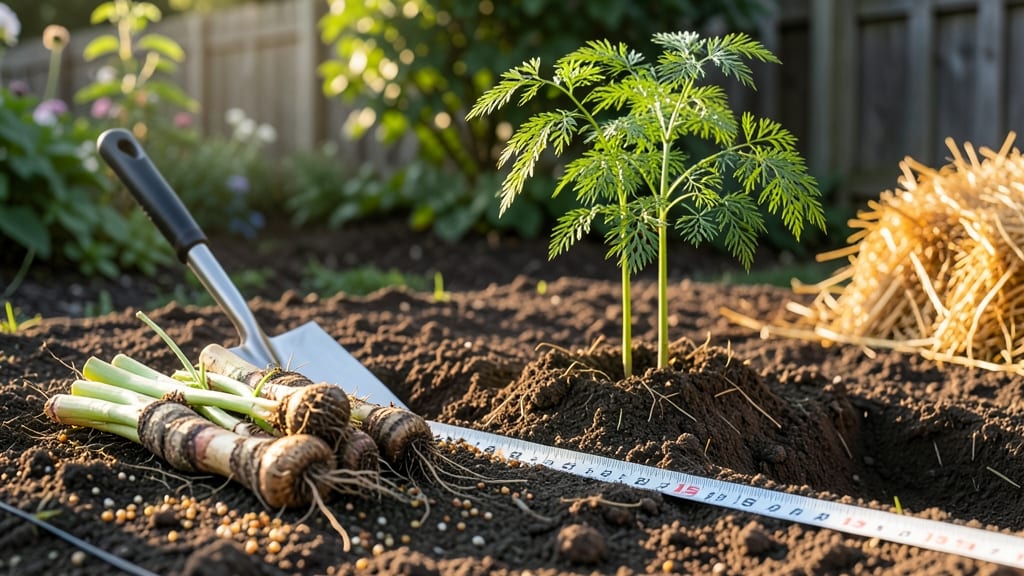
Planting asparagus in Florida at the wrong time can mean the difference between a thriving garden and struggling crowns that never quite take off. With its unique heat zones and unpredictable weather, getting the timing right is the key to strong root growth and bountiful harvests.
Most gardeners in Florida’s USDA zones 8a-11 know the struggle—plant too early, and your asparagus gets hit with heat stress before it’s ready. Too late, and you risk stunted growth from lingering warmth. The secret lies in understanding Florida’s microclimates and planting when soil temperatures are just right.
I’ve tested the best methods over years of Florida gardening, and what works isn’t just about months—it’s about soil conditions, temperature thresholds, and even local frost patterns.
Whether you’re a first-time planter or a seasoned grower, these insights will help you avoid common mistakes and set your asparagus up for success.
Ready to learn the exact window for planting asparagus in Florida? Let’s break down the science-backed timeline, soil prep tips, and spacing tricks that make all the difference in your garden’s productivity.
Optimal Florida asparagus planting windows by heat zone (USDA 8-10)
Florida’s USDA heat zones 8-10 create dramatic differences in planting success. In North Florida (8a-9a), frost can linger until mid-March, while South Florida (10a-11) enjoys frost-free winters.
The key? Plant when soil temps hit 50°F (10°C)—consistently—for at least 2 weeks. This ensures roots establish before summer’s brutal heat arrives.
For North Florida gardeners, aim for late February to early March. Wait until after the last frost date (typically January 15 in Jacksonville or February 1 in Tallahassee), but don’t delay past mid-March or your crowns will struggle with heat stress by May.
In Central Florida (Orlando, Tampa), shift your window to mid-February to early April—this zone’s warmer microclimates give you flexibility.
South Florida (Miami, Fort Lauderdale) can plant as early as January or as late as April, but March is ideal. Here, the real challenge is humidity and summer downpours, not frost. Use raised beds or elevated trenches to improve drainage and prevent crown rot from Florida’s 90%+ humidity during peak growing months.
🌱
| Heat Zone | Best Planting Window | Soil Temp Threshold | Key Risk | Actionable Tip |
|---|---|---|---|---|
| USDA 8a (North FL: Jacksonville) | Late Feb - Early Mar | 50°F (10°C) for 14 days | Late frost (Jan 15) | Use black plastic mulch to warm soil faster |
| USDA 9a (Central FL: Orlando) | Mid-Feb - Early Apr | 55°F (13°C) for 10 days | Summer heat stress | Plant in trenches with 6" of compost |
| USDA 10a-11 (South FL: Miami) | Jan - Apr (peak Mar) | 60°F (16°C) for 7 days | Humidity + poor drainage | Elevate beds 12" above ground |
Timing isn’t just about months—it’s about soil temperature. Use a soil thermometer to confirm readiness. In North Florida, wait until soil hits 50°F (10°C) at 6-inch depth for 14 consecutive days.
In South Florida, 60°F (16°C) is your target. Pro tip: Morning soil temps are most accurate—test between 9-11 AM when ground is dry.
For transplanted seedlings, Florida’s humid summers demand extra care. If planting in May or June, use shade cloth (30-50%) for the first 4-6 weeks to acclimate crowns.
This mimics natural shade from established foliage and reduces transpiration stress. Pair this with drip irrigation to keep roots moist without wetting leaves—critical in Florida’s fungus-prone climate.
Remember: Asparagus is a perennial, meaning your planting window affects harvests for 15+ years. Rushing into January plantings in North Florida risks frost damage, while May plantings in South Florida invite heat shock.
The ideal balance is planting when daytime highs are 70-75°F (21-24°C)—this aligns with Florida’s March-April window for most regions.
Optimal Florida asparagus planting windows by heat zone (USDA 8-10)
Florida’s USDA heat zones 8a-10 create distinct planting windows for asparagus. In North Florida (8a-9a), aim for late February to early March when soil temps hit 50°F+. South Florida (9b-10) can plant as early as January 15, but February-March offers ideal conditions before summer heat arrives.
Your last frost date matters—North Florida’s January 15 cutoff means planting too early risks frost damage, while South Florida’s year-round growing allows flexibility. Always check soil temperature (use a thermometer) before planting—50°F+ is critical for root establishment.
🌱 Key Tip: Plant 1-year-old crowns (not seeds) in well-draining soil with 12-18" spacing. Dig trenches 6-8" deep to encourage root spread.
| Heat Zone | Best Planting Window | Soil Temp Threshold | Frost Risk |
|---|---|---|---|
| USDA 8a (North FL) | Late Feb - Early Mar | 50°F+ (10°C+) | High (Jan 15) |
| USDA 9a (Central FL) | Feb - Early Apr | 50°F+ (10°C+) | Moderate (Dec 1) |
| USDA 10 (South FL) | Jan - Mar | 55°F+ (13°C+) | Low (None) |
🌡️ Pro Tip: Use a soil thermometer to confirm readiness—50°F+ ensures strong root growth.
For extended harvests, try a second planting in late summer (August-September) for fall crops. However, this requires shade cloth (30-50%) to protect young plants from 90°F+ heat. Mulch heavily with straw or pine needles to retain moisture and regulate soil temps.
In North Florida, May planting is risky—spears may bolt before harvest. Instead, focus on spring planting and let foliage establish for 2-3 years before heavy harvesting. South Florida growers can harvest year-round with proper care.
Always amend soil with compost or aged manure before planting. Asparagus thrives in sandy loam with a pH of 6.5-7.5. Test your soil—Florida’s native sand drains too quickly without organic matter.