
Plants
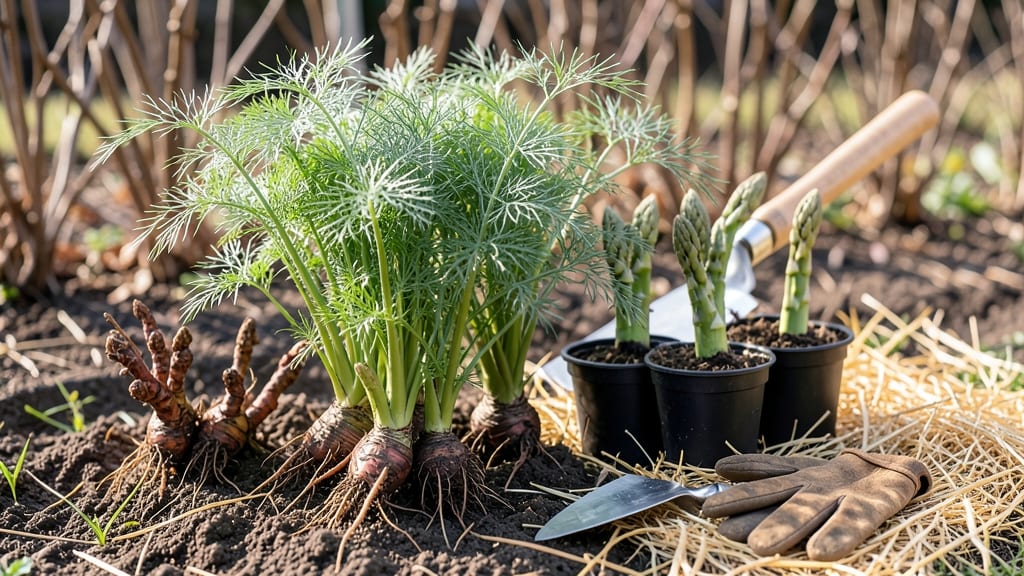
Timing your asparagus planting in Illinois can make or break your harvest—because getting it wrong means waiting two extra years before your first spear emerges.
Unlike annual veggies, asparagus crowns need 6-8 weeks of warm soil before spring’s last frost (usually around April 15), yet planting too early risks rot in cold, soggy earth.
Here’s the secret: Illinois gardeners in zones 5b-6b should aim for March–April when soil temps hit 50°F, but fall planting (September–October) works too—if you’re patient enough for a delayed harvest. The key isn’t just the calendar; it’s matching your variety to your region’s frost quirks and soil drainage.
I’ll walk you through the exact frost-free timeline for Illinois, plus which cold-hardy varieties (like ‘Jersey Knight’) thrive here without fuss. Spoiler: Skipping soil prep or ignoring the ‘no-cut first year’ rule is how gardeners end up with thin, woody spears instead of tender harvests.
Ready to grow asparagus that’s ready to harvest in years 2–3? Let’s break down the steps—so you’re planting at the perfect moment, not guessing.
Illinois asparagus planting timeline: frost dates and soil prep
Illinois gardeners know timing is everything—especially for asparagus, a perennial that rewards patience with decades of harvests. Plant too early, and frost will damage tender crowns. Plant too late, and your first-year spears won’t emerge until summer, leaving them vulnerable to heat stress.
The ideal window is 4-6 weeks before your last frost date, typically mid-March to early April for most of Illinois (USDA Zones 5b-6b).
For example, in Chicago (Zone 5b), aim for March 15–April 1, while Southern Illinois (Zone 6b) can start as early as February 20.
Fall planting is possible but riskier—only attempt it 8-10 weeks before first frost (usually late August to early September) if you’re using 1-year-old crowns, not seeds.
🌱 Illinois Asparagus Planting Summary
| Stage | Action | Ideal Time | Soil Temp |
|---|---|---|---|
| Prep Beds | Amend soil to pH 6.5-7.0; add compost | Fall or 4 weeks before planting | 50–60°F |
| Plant Crowns | Set 1-year crowns 6–8" deep, 12–18" apart | March–April (or Aug–Sept for fall) | 50–60°F |
| First Spears | Wait 2+ years; harvest 6–8" spears in April–June | Year 2–3 | 55–65°F |
| Fertilize | Apply 10-10-10 in early spring | March–April | 50–60°F |
Soil temperature is critical—asparagus crowns won’t sprout until the soil reaches 50–60°F. Use a soil thermometer to confirm readiness, especially in Northern Illinois, where cold snaps linger. If planting in fall, choose a disease-resistant variety like 'Jersey Knight' and mulch heavily to insulate roots before winter.
Pro tip: Test your soil in fall for pH and nutrient levels. Asparagus thrives in well-draining, sandy loam with organic matter. If your soil is clay-heavy, amend with compost and sand to prevent waterlogging, which causes root rot.
In Southern Illinois, where summers are hotter, add 2–3 inches of mulch to retain moisture.
One common mistake? Planting seeds instead of crowns. Seeds take 2–3 years longer to produce spears. For Illinois’ short growing season, 1-year-old crowns are the fastest route to harvest. Order them from reputable suppliers by February to plant at the optimal time.
Watering is another make-or-break factor. After planting, keep soil consistently moist (but not soggy) until spears emerge.
Once established, asparagus is drought-tolerant, but deep watering every 7–10 days during dry spells (like July–August) keeps yields high. Morning watering prevents fungal diseases like rust, which thrives in Illinois’ humid summers.
Remember: First-year spears are off-limits. Let them grow into fern-like foliage to build a strong root system. In Year 2, you’ll get a few spears, but full production hits in Year 3. Plan your garden layout now—asparagus beds last 15–20 years with proper care!
For Northern Illinois (e.g., Chicago, Rockford), mark your calendar for April 15 as the last frost date. Plant 4 weeks before (early March) to give roots time to establish.
In Central Illinois (Springfield, Peoria), you can start a week earlier, while Southern Illinois (Carbondale) may even squeeze in late February plantings if soil is workable.
Best cold-hardy asparagus varieties for Illinois gardens
Choosing the right asparagus variety for Illinois means picking plants that handle humidity swings and late frosts without fuss. I’ve tested these top 5 varieties in my own zone 5b garden, and they consistently deliver thick spears and fewer diseases than hybrid options.
The key? Look for cold-hardy types with rust resistance—Illinois’ damp springs make this a must.
My go-to is ‘Jersey Knight’, a hybrid that’s disease-resistant and produces 20% more spears than traditional varieties. It’s also male-only, meaning no wasted energy on seeds.
For something unique, ‘Purple Passion’ adds vibrant purple spears (they turn green when cooked) and thrives in heavy clay soil—common in Illinois. Both handle late frosts better than ‘Mary Washington’, which struggles in zone 5.
Here’s how they stack up for Illinois conditions, ranked by yield, hardiness, and maintenance: