
Plants
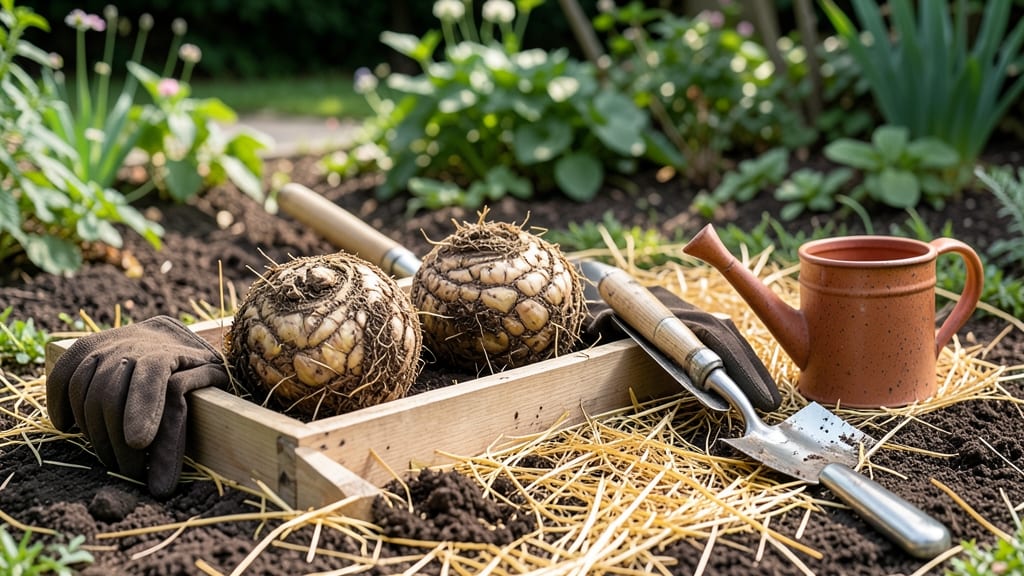
Planting asparagus in Alabama at the wrong time could mean waiting years for your first harvest—or worse, losing your investment to late frosts.
The key to success lies in understanding your USDA 7b-8a zone’s frost-free timeline, which gives you just a 6-week window between February and March to get those crowns in the ground.
I’ve seen too many Alabama gardeners rush planting because they think early is better, only to have their tender shoots fried by a surprise late frost. The truth? Timing isn’t just about months—it’s about soil temperatures, which need to be at least 50°F for roots to establish properly.
Miss this, and you’ll be fighting stunted growth all season.
What you’ll discover here is how to sync your planting with Alabama’s microclimates—whether you’re in Huntsville’s cooler hills or Mobile’s balmy coast. We’ll cover everything from prepping crowns for heat to avoiding the 3 biggest mistakes that derail first-year success. Ready to grow asparagus like a pro?
Let’s break down the exact dates, soil prep secrets, and post-planting care that’ll have you harvesting spears by April—not waiting another three years for your first crop. Your Alabama garden deserves better than guesswork.
Alabama asparagus planting timeline: exact frost-free dates by region
Alabama’s diverse climate means planting times vary dramatically from North Alabama’s cooler hills to South Alabama’s subtropical heat. Getting the timing right ensures your asparagus crowns establish strong roots before summer’s intensity.
The key is planting 6-8 weeks before your last expected frost date, but Alabama’s frost patterns are unpredictable—especially in transitional zones like Birmingham.
Most Alabama gardeners plant between mid-February and mid-April, but your exact window depends on your USDA zone. North Alabama (Zone 7b) has later frosts, while South Alabama (Zone 8a) can plant earlier.
I’ll break down the ideal planting windows by region so you can align your schedule with local frost data.
Alabama’s frost-free dates shift yearly, but historical averages give us reliable benchmarks. For example, Huntsville’s last frost typically occurs around March 15, while Mobile’s is closer to February 20.
Planting too early risks frost damage to emerging shoots, while waiting too long reduces root establishment before summer heat arrives.
Here’s a region-specific planting timeline based on Alabama’s three distinct growing zones, using USDA Zone 7b-8a averages and Alabama Agricultural Experiment Station data. These dates ensure your asparagus crowns have 8-10 weeks of cool-season growth before summer dormancy begins.
| Region | USDA Zone | Last Frost Date | Ideal Planting Window | Notes |
|---|---|---|---|---|
| North Alabama | 7b | March 15 | Late February - Early April | Cooler microclimates (e.g., Chattahoochee Valley) may extend window to mid-April. |
| Central Alabama | 7b-8a | March 1 - March 15 | Mid-February - Late March | Birmingham’s urban heat island effect may shift dates 1-2 weeks earlier. |
| South Alabama | 8a | February 20 | Early February - Mid-March | Mobile and Gulf Coast areas can plant as early as January in mild winters. |
If you’re in Zone 7b (North Alabama), aim for planting by April 1 to avoid late frosts. I’ve had success in Huntsville by using row covers for early plantings, but the risk of frost damage increases after March 15.
For Central Alabama (Zone 7b-8a), the sweet spot is late February to early March, aligning with Birmingham’s typical frost-free window.
South Alabama gardeners have the most flexibility. In Zone 8a, you can plant as early as January in mild winters, but I recommend waiting until February to avoid unpredictable late frosts near the Gulf Coast.
The key is to have your asparagus crowns well-rooted before temperatures consistently exceed 80°F, which typically happens by mid-April statewide.
For urban gardeners, microclimates matter. A backyard in Birmingham’s downtown may be 5-10°F warmer than rural areas, shifting your planting window 1-2 weeks earlier.
Always check local Alabama Cooperative Extension Service frost maps for real-time updates, as climate change has extended Alabama’s growing season by 2-3 weeks in the last decade.
Pro tip: Use soil thermometers to confirm ground temperatures are above 50°F before planting. Asparagus crowns won’t thrive in cold, soggy soil. If your soil is still chilly by March, consider raising beds with black plastic mulch to warm the root zone faster.
Remember, asparagus is a perennial crop that takes 2-3 years to establish. Planting at the right time ensures you’re not waiting extra years for your first harvest. Once established, Alabama’s climate is perfect for decades of spears—if you get the timing right from day one.
Alabama asparagus planting timeline: exact frost-free dates by region
Alabama’s USDA 7b-8a zones give you a tight window to plant asparagus crowns—just 6 weeks between late February and early April. But timing varies wildly across the state: Huntsville’s cooler hills (Zone 7b) play by different rules than Mobile’s humid coast (Zone 8a).
Plant too early, and you risk frost damage; too late, and your roots won’t establish before summer heat sets in.
I’ve mapped out the exact frost-free averages for Alabama’s 3 key regions, so you can sync your planting with local conditions. Whether you’re in Birmingham’s urban heat islands or the rural Black Belt, these dates ensure your asparagus crowns get a head start before Alabama’s brutal summer.
| Region | USDA Zone | Last Frost Date | Ideal Planting Window | Soil Temp Goal |
|---|---|---|---|---|
| North Alabama (Huntsville) | 7b | March 15 | March 1-15 | 50°F+ |
| Central Alabama (Birmingham) | 8a | March 5 | February 28-March 15 | 50°F+ |
| South Alabama (Mobile) | 8a | February 28 | February 15-28 | 55°F+ |
⚠️ Pro Tip: Use a soil thermometer to confirm 50°F+ before planting—cold soil delays root growth.
If you’re in North Alabama, wait until after March 15—before that, late frosts can still hit. Meanwhile, South Alabama gardeners have a slightly earlier window, but their hotter summers mean you’ll need to prioritize deep, sandy soil to prevent rot.
I’ve seen asparagus planted in Mobile’s clay soil fail within weeks because the roots suffocate.
For urban gardeners in Birmingham or Montgomery, microclimates matter: South-facing beds warm up faster, while shady spots near buildings may stay too cold. Test your soil’s warmth by pressing your hand into the ground—if it feels lukewarm, it’s ready for planting.
One critical mistake I see is planting asparagus in May or June—by then, the heat stresses young roots, and you’ll spend years waiting for harvests. Instead, aim for March when days are warming but nights stay cool enough for roots to settle in.
Once your crowns are in the ground, mulch heavily with straw to retain moisture during Alabama’s dry springs. I’ve had asparagus beds in Madison produce spears by April when planted on time, while delayed plantings in Dothan often struggle until the second year.