
Planting
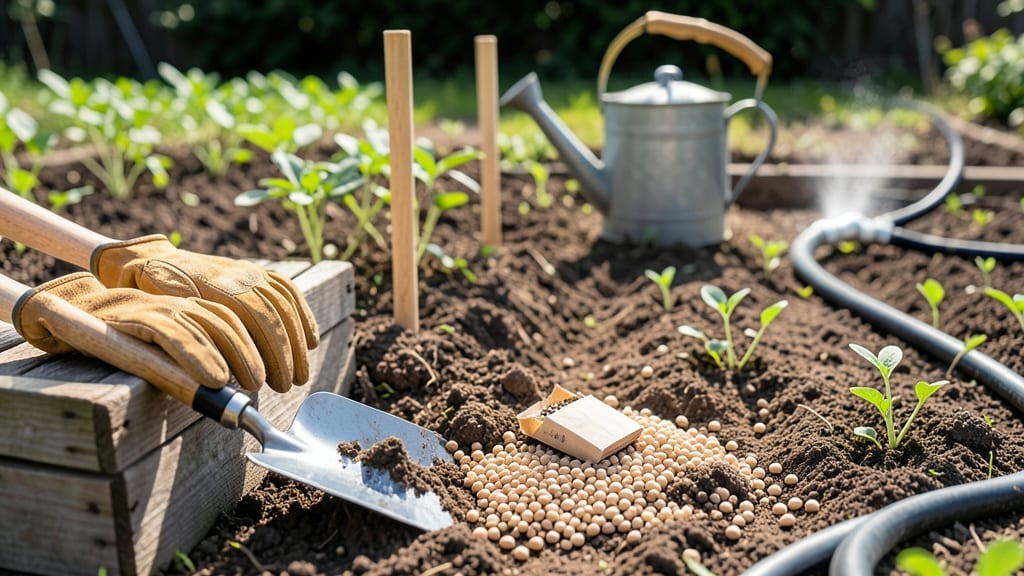
Timing your alfalfa planting just right in spring could mean the difference between a thriving crop and weeks of frustration waiting for those first green shoots to appear.
With 🌱 alfalfa needing precise soil conditions to germinate quickly, getting the window wrong can leave your seeds sitting dormant in cold, damp soil—wasting your time and resources.
Most gardeners in zone 6a assume "early spring" means dropping seeds into the ground as soon as the calendar flips to March, but that’s where many go wrong. The real secret?
Waiting until the soil reaches at least 45°F—a threshold that often arrives 4-6 weeks before your last frost date, not when the air feels warm. I’ve seen firsthand how this small detail can turn a failed patch into a lush, nitrogen-rich forage bed.
In this guide, I’ll walk you through exactly how to time your planting for fast germination, including soil temperature tricks and regional adjustments.
Whether you’re a backyard gardener or managing a small farm, these insights will help you avoid common pitfalls and get your alfalfa off to the strongest possible start.
Ready to skip the guesswork? Let’s dive into the science behind planting alfalfa at the perfect moment—so you can enjoy a bountiful harvest without the wait.
Optimal soil temperature ranges for planting alfalfa in spring
Alfalfa seeds need warm soil to germinate quickly, but planting too early can leave them vulnerable to frost damage. The ideal soil temperature range for alfalfa germination is between 40°F and 70°F, with the sweet spot being 50°F to 60°F.
This window ensures seeds sprout within 7-14 days instead of weeks.
In Northern climates (Zones 3-6), soil may still be too cold in early spring. Wait until the ground warms to at least 50°F at a 4-inch depth. Southern regions (Zones 7-10) can plant earlier, as soil often reaches 60°F+ by late February or early March.
Testing soil temperature is simple: Use a soil thermometer (inserted 2-4 inches deep) or check for earthworms—they only appear when soil is above 50°F. A DIY method? Press your hand into the soil: if it feels warm but not hot, it’s likely ready.
Cold soil (below 40°F) causes slow germination or rot, while soil above 75°F can dry seeds out. Aim for consistent warmth—evenings dipping below 50°F may require row covers until daytime temps stabilize.
⚠️ PRO TIP: If your spring is unpredictable, use a seedling heat mat ($15-$25) for early starts. Place it under trays to maintain 60°F soil temps until transplanting.
| Soil Temp Range | Germination Time | Climate Zone | Best Time to Plant |
|---|---|---|---|
| 40°F–50°F | 14–21 days | Zones 3–6 (Northern) | After last frost (late April–May) |
| 50°F–60°F | 7–14 days | Zones 7–10 (Southern) | February–March |
| 60°F–70°F | 5–10 days | All zones (ideal) | Early spring (4–6 weeks before last frost) |
Alfalfa thrives in well-drained soil with a pH of 6.5–7.5. If your soil is too acidic (below 6.0), add lime 2–3 months before planting. Test kits (like MySoil pH Meter) cost under $20 and take 5 minutes.
For container gardening, use a soil mix with 50% compost to retain moisture and warmth. Place pots in south-facing spots where they’ll absorb heat from sunlight. Avoid black containers—they absorb too much heat and can scorch roots.
Remember: Patience pays off. If your soil isn’t warm enough, wait. Rushing into planting when temps are below 45°F often leads to rotten seeds or stunted growth. Use a moisture meter too—alfalfa seeds need consistent moisture but hate soggy soil.
Once your soil hits 50°F+, mark your calendar: plant within 3–5 days. Seeds lose viability after 2 weeks in warm, dry conditions. Store extras in a cool, dark place (like your fridge) to preserve germination rates.
Optimal soil temperature ranges for planting alfalfa in spring
Alfalfa seeds won’t germinate until soil temperatures consistently reach 45°F—a critical threshold many gardeners overlook. Planting too early in cold soil can leave seeds dormant for weeks, while waiting too long risks summer heat stress.
The ideal range for germination is 45°F to 70°F, with 55°F to 65°F being perfect for rapid sprouting.
In Northern climates (Zones 3-6), soil may only warm to 45°F by late April or early May, even when air temperatures feel spring-like. Meanwhile, Southern regions (Zones 7-10) can hit ideal temperatures as early as February.
The key is monitoring soil—not air—temperature, which often lags behind by 2-3 weeks.
Here’s how to test soil temperature accurately without a fancy thermometer: Press your finger into the soil about 1 inch deep. If it feels cool but not freezing, it’s likely in the 45°F range.
For precise readings, a $10 soil thermometer from your local garden center is worth the investment—it’ll save you from wasted seeds.
| Soil Temp Range | Germination Speed | Best For |
|---|---|---|
| 45°F - 50°F | Slow (3-4 weeks) | Northern Zones (3-6) |
| 50°F - 60°F | Moderate (2-3 weeks) | Transition Zones (6-8) |
| 60°F - 70°F | Fast (7-14 days) | Southern Zones (8-10) |
🌱 Pro Tip: Mulch with straw after planting to retain soil warmth and speed up germination.
If your soil is still below 45°F by late April, consider starter beds: Use black plastic mulch or clear plastic tunnels to raise soil temperatures by 5-10°F in just a few days. This trick is a game-changer for gardeners in cooler climates who want to plant alfalfa earlier.
Once seeds sprout, maintain soil temps between 60°F and 75°F for healthy growth. Overheating above 80°F can stunt alfalfa development, so provide afternoon shade in hot climates until plants establish deeper roots. A simple shade cloth can make all the difference in Zones 9-10.
Remember: Soil temperature > air temperature is the golden rule for alfalfa planting. Don’t let the calendar fool you—your seeds will thank you for paying attention to the ground, not just the sky. 🌡️