
Plants
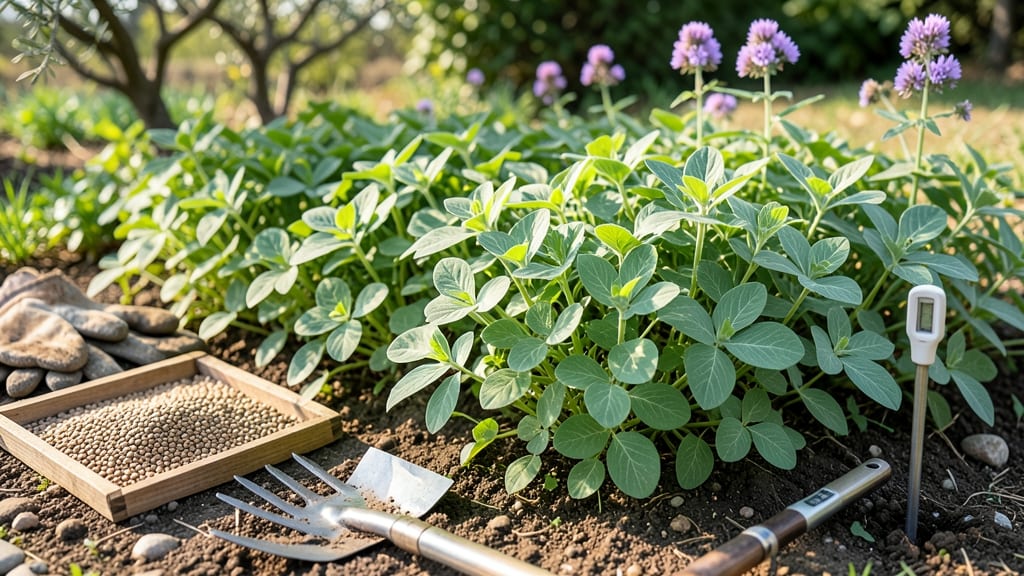
Timing your alfalfa planting in NC can make the difference between a lush, high-yield crop and a struggle to establish healthy roots. With North Carolina’s diverse climate zones—from the humid Coastal Plain to the cooler Mountains—getting the window right is key to avoiding frost damage and maximizing forage production.
Most gardeners in zones 6a-8b know early spring (March-April) is ideal, but late summer (August) offers a second chance for those who miss the first window. The secret lies in soil temperatures hitting 55-65°F and planting 1-2 weeks before the last frost, which varies dramatically across the state.
In this guide, I’ll walk you through the exact planting timeline for your region, soil prep tips to boost success, and common mistakes that could derail your alfalfa crop. Whether you’re a farmer or a backyard grower, these insights will help you plant with confidence.
Ready to grow drought-resistant, nutrient-packed alfalfa that thrives in NC’s climate? Let’s get started with the best practices for your specific zone.
North Carolina’s ideal alfalfa planting window by month
North Carolina’s diverse climate—from the humid Coastal Plain to the cooler Mountains—means your alfalfa planting window varies by region. The key is planting when soil temperatures reach 55–65°F and after the last frost date, which typically falls between late February (Zone 8b) and early April (Zone 6a).
For best results, aim for early spring (March–April) or late summer (August) to avoid summer heat stress.
Alfalfa is a cool-season crop, so planting too late in summer can lead to weak establishment before winter. Meanwhile, early spring planting gives seedlings time to develop strong roots before summer’s heat.
In Coastal NC (Zone 8a–8b), you might squeeze in a fall planting in September, but this is riskier due to early frosts.
Here’s a quick breakdown of your NC planting zones and their ideal windows:
| Region | Last Frost Date | Ideal Planting Window | Soil Temp Requirement |
|---|---|---|---|
| Coastal (Zone 8a–8b) | Late Feb–Early March | March–April (or Sept for fall) | 55–65°F |
| Piedmont (Zone 7a–7b) | Mid-March | April–Early May | 55–65°F |
| Mountains (Zone 6a–6b) | Early April | May–June (late summer backup) | 60–65°F (warmer soil needed) |
For late summer plantings (August), focus on Mountains and Piedmont where summer heat is less extreme. Coastal areas may struggle with humidity and pests during this window. Always check NC State Extension’s frost maps for your exact location, as microclimates can shift planting dates by 1–2 weeks.
Pro tip: Use a soil thermometer to confirm temperatures before planting. Alfalfa seeds won’t germinate well in cold soil (<55°F), leading to sparse stands. If your soil is too cool, wait 1–2 weeks or use a black plastic mulch to warm it faster.
Another critical factor is rainfall timing. Planting in dry spells can stress seedlings, while excessive rain may cause crusting. Aim for 1–2 weeks of stable weather after sowing to ensure good contact between seeds and soil.
If you’re planting in fall (September), do so at least 6–8 weeks before your first frost to allow seedlings to establish. Coastal growers have the best chance here, while Mountain regions should avoid fall plantings entirely due to early frosts.
Remember: Alfalfa’s first year is all about root development. Rushing the planting window for a quick harvest will backfire—patience pays off with drought-resistant stands and higher yields in years 2–3. For reference, NC State Extension recommends waiting until soil temps stay above 60°F for 5+ days before planting.
🌱
North Carolina’s ideal alfalfa planting window by month
North Carolina’s diverse climate zones mean your alfalfa planting window depends on whether you’re in the Coastal Plain, Piedmont, or Mountains. For most regions, early spring (March-April) is the gold standard, but late summer (August) works too if you miss the first chance.
The key is waiting until soil temperatures hit 55-65°F—cold soil slows germination. Use a soil thermometer to check, especially in Zone 6a (Mountains), where frosts linger longer. Planting too early risks seed rot; too late means weed competition.
Here’s your month-by-month breakdown for NC’s three main regions, including frost dates and soil temp targets:
| Region | Ideal Planting Month | Soil Temp (°F) | Last Frost Date | Risk Factor |
|---|---|---|---|---|
| Coastal Plain (Zone 8a-8b) | February–March | 55–65°F | Late February | Humidity + fungal diseases |
| Piedmont (Zone 7a-7b) | March–April | 55–65°F | Mid-March | Late frosts |
| Mountains (Zone 6a) | April–May | 60–65°F | Early April | Short growing season |
For a second planting window, aim for late summer (August) in all regions. This avoids summer heat stress and gives plants time to establish before fall. Just ensure soil stays warm but not scorching—above 60°F.
Pro tip: Check NC State Extension’s frost maps for your exact location. A 1-2 week buffer before the average last frost date gives your alfalfa the best shot at survival. In Zone 6a, wait until after April 15 to be safe.
Missed the spring window? Don’t panic—late August plantings can still thrive if you irrigate consistently. Just avoid planting after September 1, as cooler temps slow growth before winter.