
Plants
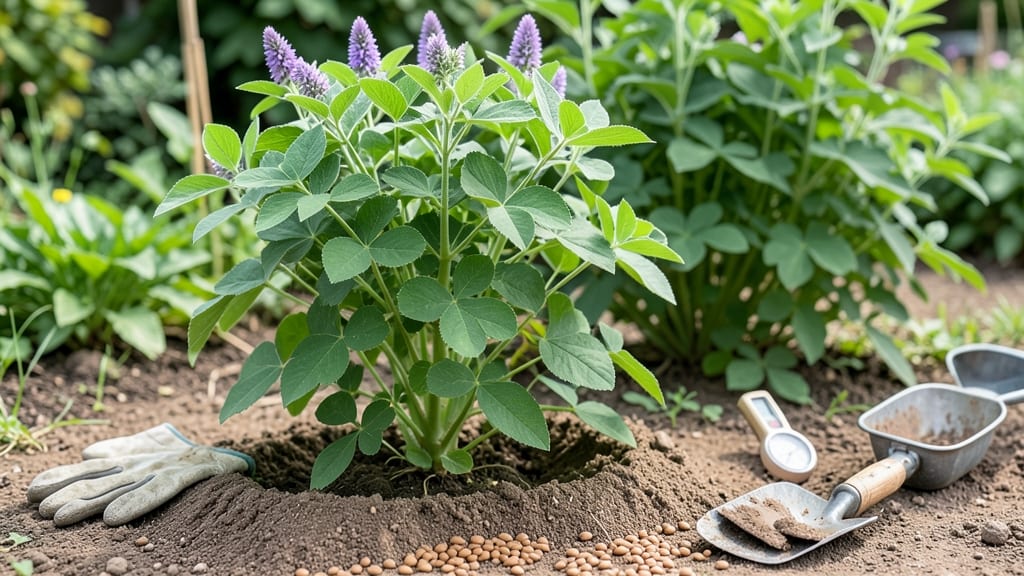
Planting alfalfa in Missouri at the wrong time can mean wasted seeds and years of frustration—especially when your 🌱 crop takes 2-3 years to reach peak harvest potential.
The key isn’t just picking a random spring day; it’s syncing with Missouri’s 5b-6b frost dates and soil conditions to give your alfalfa the best shot at thriving.
Most Missouri gardeners swear by early spring planting between March and April, but late summer (August) works too if you’re prepping for a fall harvest. The trick? Avoid planting when soil temps dip below 50°F—that’s when seeds just sit there, waiting for warmer conditions to germinate.
I’ve seen firsthand how a well-prepped soil bed (with proper pH and drainage) can turn a mediocre alfalfa patch into a lush, high-yield forage crop. Whether you’re growing it for hay, cover crops, or livestock feed, getting the timing right is half the battle.
Let’s break down the exact frost-free window for your Missouri region, soil prep secrets, and why some farmers swear by fall planting—plus how to handle Missouri’s unpredictable rains without inviting fungal diseases. Ready to set your alfalfa up for success?
Missouri’s ideal alfalfa planting window: frost dates & hardiness zones
Alfalfa thrives in Missouri’s USDA hardiness zones 5b-7a, but timing is everything. Planting too early risks frost damage, while late planting delays root establishment before winter.
Missouri’s average last frost dates range from March 15 in southern regions to April 15 in northern areas, creating a 6-week window for ideal spring planting.
For most of Missouri, the sweet spot is between mid-March and early April. This gives seedlings time to germinate before summer heat arrives.
However, late summer planting (August) is also viable if you’re establishing a fall cover crop—just ensure 60+ days of warm weather remain before the first frost.
Missouri’s regional differences matter! St. Louis (zone 6b) can plant 2 weeks earlier than Kansas City (zone 6a). Use the USDA Plant Hardiness Zone Map to pinpoint your exact frost-free window—just enter your ZIP code for precise data.
| Region | Last Frost Date | First Frost Date | Ideal Planting Window |
|---|---|---|---|
| Southern MO (e.g., Cape Girardeau) | March 10 | November 5 | March 15–April 1 |
| Central MO (e.g., Columbia) | March 22 | October 25 | March 25–April 10 |
| Northern MO (e.g., Kansas City) | April 5 | October 15 | April 1–April 15 |
| Late Summer Backup | N/A | N/A | August 1–15 (cover crop only) |
Missouri’s variable spring weather can throw off even the best-laid plans. If unseasonably cold snaps hit after planting, cover seeds with lightweight row covers or straw mulch to protect tender sprouts.
Conversely, early warm spells in February can trick alfalfa into germinating too soon—wait for consistent soil temps above 50°F before sowing.
Alfalfa is a perennial crop, meaning it returns year after year. For best results, plant in early spring to give roots time to establish before Missouri’s hot, humid summers.
If you’re growing alfalfa for hay or forage, aim for a full-season harvest by planting no later than April 15 in most regions.
Pro tip: Check your local Missouri Extension office for microclimate data. Urban areas like St. Louis may experience heat islands that allow earlier planting, while rural farmland might need to wait for warmer soil temps to avoid seed rot.
For fall planting, stick to late August at the latest. This gives seedlings 8–10 weeks to establish before winter dormancy. Use a soil thermometer to confirm temps stay above 60°F for at least 4 weeks post-planting—alfalfa seeds need warmth to germinate efficiently.
Missouri’s northern counties (zones 5b-6a) should err on the side of later planting to avoid late spring frosts, while southern regions can push the window slightly earlier. Always monitor weekly frost forecasts from the National Weather Service for real-time adjustments.
Remember: Alfalfa’s first year is all about root development. Rushing the planting window can lead to shallow roots and poor winter survival. Patience pays off with stronger stands and higher yields in years to come.
Missouri’s ideal alfalfa planting window: frost dates & hardiness zones
Alfalfa thrives in Missouri’s 5b-7a hardiness zones, but the real magic happens when you align planting with the frost-free window. Most Missouri regions experience their last frost around March 15, with first frosts hitting November 15.
This gives you a 165-day growing season—plenty of time for alfalfa’s 2-3 year establishment period.
For best results, aim to plant between March and April when soil temperatures reach 50°F or warmer. This ensures seeds germinate quickly rather than sitting dormant in cold soil.
Late summer (August) is another solid option if you’re prepping for a fall harvest, though this requires careful monitoring of moisture levels as summer heat can dry out seeds.
Missouri’s varied climate means frost dates shift dramatically between urban areas (like St. Louis) and rural zones. Urban heat islands may push last frost dates 1-2 weeks earlier, while northern regions like Northeast Missouri can delay planting until late April.
Always check the USDA Plant Hardiness Zone Map for your exact location.
🌱 Missouri Alfalfa Planting Timeline
| Region | Last Frost | First Frost | Ideal Planting Window |
|---|---|---|---|
| St. Louis (Zone 6b) | March 10 | November 5 | March 15-April 15 |
| Kansas City (Zone 6a) | March 20 | October 30 | April 1-May 1 |
| Northeast MO (Zone 5b) | April 5 | October 15 | Late April-Early May |
| Southeast MO (Zone 7a) | February 28 | November 10 | March 1-April 1 |
Spring planting gives alfalfa’s deep roots a full growing season to establish before winter, while fall planting can help avoid summer drought stress. I’ve found that late August is ideal for fall plantings—seeds germinate in warm soil but avoid the scorching July heat that can dry them out.
Pro tip: If you’re in Zone 5b, consider using black plastic mulch to warm soil faster in early spring. This can shave 2-3 weeks off your planting timeline by creating a microclimate that mimics summer conditions. Just remove it once seeds sprout to avoid overheating.
Missouri’s unpredictable weather means always have a backup plan. If spring rains delay planting, don’t rush—alfalfa seeds won’t germinate in cold, soggy soil. Wait for temperatures to stabilize above 50°F consistently before committing to your planting date.