
Plants
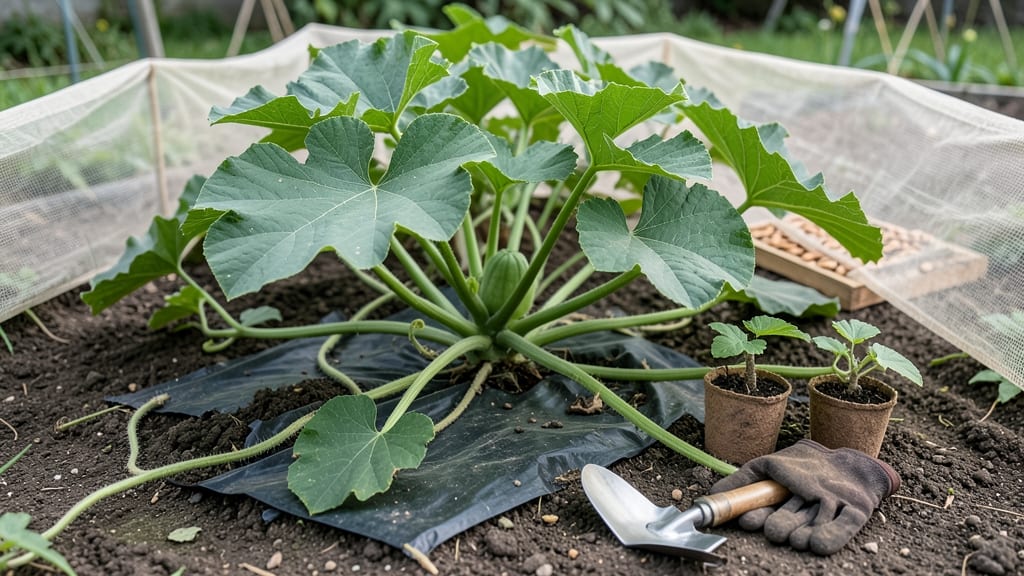
Timing your acorn squash 🎃 planting in Texas isn't just about following a calendar—it's about outsmarting the heat and avoiding frost's sneaky surprises.
Whether you're in North Texas or down in the Rio Grande Valley, planting too early means your squash will bolt in the summer sun, while waiting too long risks a harvest cut short by the first chill.
I've learned the hard way that Texas gardeners need a two-season strategy—spring and fall—because the state's climate zones (8a-10b) create wildly different deadlines. In Central Texas, you've got just 6 weeks between your last frost (March 1) and when summer heat turns your garden into a sauna.
Meanwhile, South Texas gardeners can stretch their growing window until early October, giving them a second chance at a fall harvest.
What if you could double your harvest potential by planting at the exact right moment? That's what this guide will show you—how to sync your planting with Texas's heat zones, when to start seeds indoors, and how to protect your squash from the elements once they're in the ground.
Let's get those vines growing strong and your kitchen stocked with homegrown 🎃 come harvest time.
The secret isn't just about dates—it's about understanding your local microclimate. We'll cover everything from soil prep to frost dates, so you can confidently plant your acorn squash and watch it thrive, no matter where in Texas you're gardening. Ready to grow like a pro?
Texas heat zones and acorn squash planting deadlines
Texas' diverse climate zones mean acorn squash planting deadlines vary wildly—from North Texas' cooler springs to South Texas' extended summers. The key is aligning your planting with last frost dates and heat tolerance thresholds (acorn squash thrives best below 90°F).
In North Texas (USDA Zones 7b-8a), aim for late February to early April for spring crops, while South Texas (Zones 9a-10b) gardeners can plant September to early October for fall harvests.
Your local frost-free average dictates everything. For example, Dallas (Zone 8a) has a last frost around March 15, giving you a 3-week window to transplant seedlings before summer heat peaks.
Meanwhile, Houston (Zone 9a) can direct-sow until early April without frost risk. Use the Texas A&M AgriLife Extension frost maps to pinpoint your exact zone—this isn't guesswork!
Acorn squash needs 85-100 days to maturity, so count backward from your first frost. In Central Texas (Zone 8b), with a first frost around November 1, your last planting window is mid-August for a fall harvest.
Miss this, and you'll be left with underripe squash or none at all. Pro tip: Stagger plantings every 2 weeks to extend your harvest window by 4-6 weeks.
Direct sowing vs. transplanting also affects timing. Seedlings handle heat better than direct-sown seeds, so start indoors 3-4 weeks before your last frost if you're in North or Central Texas. For South Texas, direct-sow in late summer when soil temps drop below 85°F—any hotter, and germination rates plummet. Always test soil temperature with a thermometer; 60°F+ is ideal for planting.
🌱 Texas Acorn Squash Planting Deadlines by Zone
| Zone & Location | Last Frost Date | Spring Planting Window | Fall Planting Window | Harvest Window |
|---|---|---|---|---|
| North Texas (7b-8a) - Dallas, Fort Worth | March 15 | Late Feb - Early Apr | N/A (too hot) | Oct - Dec |
| Central Texas (8b-9a) - Austin, San Antonio | March 1 | Late Feb - Early Apr | Mid-Aug - Early Sept | Sept - Nov |
| South Texas (9b-10b) - Houston, Corpus Christi | Feb 15 | Jan - Early Mar | Sept - Early Oct | Oct - Jan |
📌 Note: Adjust for microclimates (e.g., urban heat islands may shift deadlines by 1-2 weeks).
Don't overlook soil preparation—acorn squash demands well-draining, nutrient-rich soil with a pH of 6.0-7.0. In North Texas, amend clay soil with compost and sand to prevent waterlogging. South Texas gardeners should focus on organic matter to retain moisture during dry spells.
Work in aged manure or compost 2-3 weeks before planting to give roots a head start.
For container growing, use 5-gallon pots or larger—acorn squash vines spread 3-4 feet, and roots need depth. Plant in well-draining potting mix with 50% perlite or vermiculite to mimic Texas' sandy loam.
Containers dry out faster, so water daily in summer and monitor soil moisture with your finger (top 1-2 inches should stay moist).
Watch for heat stress signs like yellowing leaves or wilting vines—these mean it's time to provide afternoon shade with 30-50% shade cloth. In Central Texas, June-August temps above 95°F can stunt growth, so mulch heavily with straw to keep roots cool. D
Texas heat zones and acorn squash planting deadlines
Texas isn't one-size-fits-all when it comes to acorn squash planting. The Lone Star State's diverse climate zones create distinct windows for success. In North Texas (USDA Zones 7b-8a), where last frosts hit around March 15, aim to plant transplants by late February or direct sow by early March.
Central Texas (Zones 8a-8b) gets a slightly longer window, with March 1 as the last frost date and ideal transplanting by early February.
For South Texas (Zones 9a-10b), the rules flip entirely. Here, fall planting dominates—sow seeds from September to early October to avoid summer's brutal heat. The key is aligning your planting with soil temperatures (aim for 60°F+) and frost-free averages (210 days growing season).
Miss these marks, and you'll battle heat stress or early frost damage.
Pro Tip: Use Texas A&M AgriLife Extension's Texas Planting Calendar to pinpoint your exact county's deadlines. For example, Dallas gardeners have a 60-day window (Feb 15-Apr 15) for spring planting, while Houston gardeners can extend fall planting until October 15.
| Region | USDA Zone | Last Frost Date | Spring Planting Window | Fall Planting Window |
|---|---|---|---|---|
| North Texas | 7b-8a | March 15 | Late Feb - Early Apr | N/A (Too hot) |
| Central Texas | 8a-8b | March 1 | Early Feb - Mid Apr | Late Aug - Early Oct |
| South Texas | 9a-10b | Feb 15 | N/A (Too hot) | Sep - Early Oct |
Direct sowing vs. transplants also matters in Texas. For spring plantings, start seeds indoors 3-4 weeks before last frost or buy hardy transplants from local nurseries (like Heirloom Gardens in Austin).
In South Texas, direct sowing in fall works best—just cover young plants with lightweight row covers if nights dip below 50°F.
Watch for heat tolerance thresholds: Acorn squash wilts at 95°F+. In Central/North Texas, late May plantings risk summer burnout. Instead, opt for shorter-season varieties like 'Table Queen' (85 days) or 'Sweet Dumpling' (90 days) to beat the heat.
South Texas gardeners can push fall harvests into December with varieties like 'Autumn Color' (100 days).
Remember: Texas' 210-day frost-free window is your ally. Plan your acorn squash schedule to harvest before first frost—North Texas by November 15, Central by November 1, and South by December 15. With these deadlines, you'll turn Texas' extremes into your squash-growing superpower. 🎃