
Plants
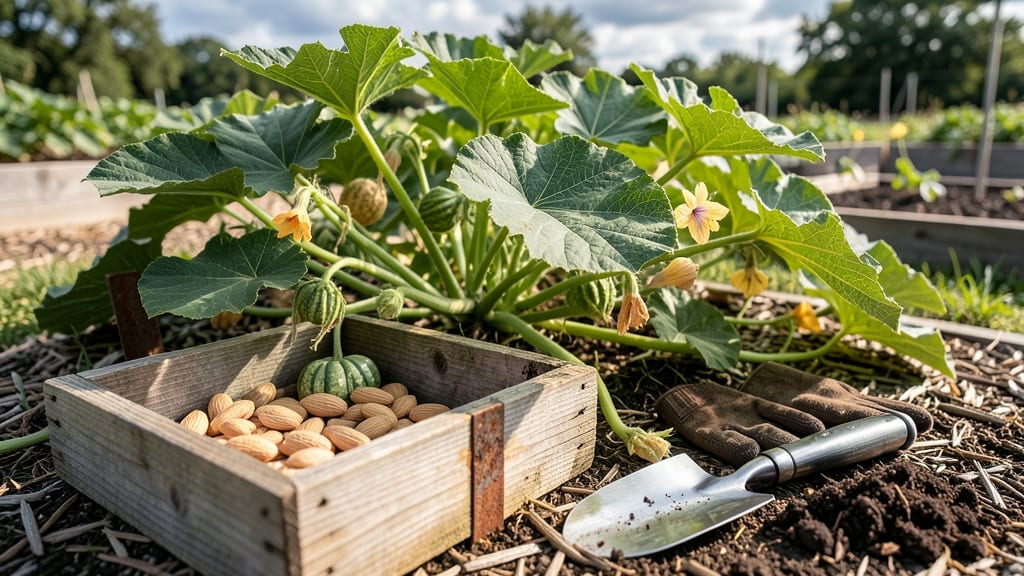
If you're dreaming of harvesting sweet, nutty 🎃 Acorn Squash in Florida, timing your planting is everything—get it wrong, and you'll either face stunted growth from summer heat or miss the window entirely.
The key to success lies in Florida's unique climate, where frost isn't the enemy but scorching temperatures can be just as destructive to your crop.
Unlike northern states, Florida's 9a-11 zones mean you can plant Acorn Squash twice a year with the right strategy. But when exactly should you start seeds or set out transplants to avoid the brutal midday sun that can turn your plants into crispy failures?
The answer depends on whether you're aiming for a spring harvest or a fall bounty.
I've spent years growing Acorn Squash in Florida's heat, and I'll share the exact planting windows that work—plus how to beat the summer heat to ensure your vines thrive. Whether you're a seasoned gardener or a first-timer, these insights will help you grow a thriving crop without the guesswork.
From soil prep to companion planting, I'll walk you through everything you need to know to time your planting perfectly. Let's get those seeds in the ground at the right moment for a harvest that'll make your kitchen table look like a fall feast.
Florida’s ideal acorn squash planting zones by month (avoid frost & heat stress)
Florida’s frost-free climate means you can grow acorn squash year-round with the right timing—but heat is the real villain. Unlike northern states, your goal isn’t avoiding frost but escaping 90°F+ temperatures that cause bolting (premature flowering).
The best windows focus on spring and fall planting when temperatures stay between 70°F and 85°F.
Here’s the breakdown by Florida’s USDA zones 9a-11: Northern Florida (9a) has slightly cooler nights, while Southern Florida (10b-11) faces year-round heat. I’ll show you the exact monthly planting windows for each zone to maximize your harvest without heat stress.
🌱
For Northern Florida (9a), aim for mid-March to early May plantings to beat the heat. If you start too early, your plants may bolt before producing squash.
In Central Florida (9b-10a), you’ve got a slightly longer window—late February to April—but watch for humidity spikes in May that invite fungal diseases.
Southern Florida gardeners have the advantage of year-round planting, but focus on January-March for spring and June-September for fall. The key is avoiding peak summer heat (May-August), when temperatures often exceed 95°F and stunt growth.
I’ve seen squash plants wilt dramatically in these conditions—don’t let that happen to yours!
🌡️
Soil temperature is just as critical as air temperature. Acorn squash seeds need soil that’s at least 60°F to germinate properly. Use a soil thermometer to check—if it’s below 60°F, wait a few more days.
In Florida, this usually aligns with late winter to early spring, but Southern zones can start earlier.
Pro tip: If you’re in Northern Florida and want a fall harvest, start seeds indoors in late June and transplant outdoors by mid-July. This gives your plants a head start before the heat ramps up.
For Southern Florida, direct sow in June for a fall crop—just be prepared to provide afternoon shade during the hottest months.
🌿
One common mistake I see is planting too late in the spring. By May, Florida’s heat can cause bolting, where your plants flower and fruit prematurely, resulting in small, seedy squash.
To avoid this, set out transplants by early May at the latest in Northern zones, or late April in Central/Southern Florida.
For a fall harvest, the window closes faster. In Northern Florida, you’ve got until mid-September to plant for a late fall crop. In Southern Florida, push it to early October—but be ready to protect your plants from hurricane season (September-November) with row covers or temporary shelters.
✂️
Florida’s ideal acorn squash planting zones by month (avoid frost & heat stress)
Florida’s frost-free climate means you can grow acorn squash year-round, but the real challenge is avoiding the scorching summer heat that can turn your plants into crispy failures. Unlike northern states, your planting window focuses on soil temperature and heat tolerance rather than frost dates.
The best time to plant acorn squash in Florida is during spring (March-May) and fall (August-September), when temperatures are mild and consistent.
For spring planting, aim for early March in North Florida (USDA Zones 8a-9a), where cooler nights linger longer. In Central (Zones 9b-10a) and South Florida (Zones 10b-11), you can push planting back to late March or early April to avoid the 90°F+ heat that arrives by May.
Fall plantings should start in August to harvest before the first potential frost in December (rare but possible in North Florida).
Soil temperature is your best guide—wait until the ground reaches 60°F for consistent germination. Use a soil thermometer to check, especially in North Florida, where cooler soils delay planting. In South Florida, where heat arrives early, focus on shade cloth and mulching to protect young plants from bolting (premature flowering).
| Zone | Spring Planting Window | Fall Planting Window | Soil Temp Requirement | Heat Risk Level |
|---|---|---|---|---|
| North FL (8a-9a) | Early March - Mid-April | Mid-August - Early September | 60°F+ | High (May-July) |
| Central FL (9b-10a) | Late March - Early May | Late August - Mid-September | 60°F+ | Moderate (June-August) |
| South FL (10b-11) | April - Early May | September - Early October | 65°F+ (faster germination) | Low (year-round mild) |
If you’re in North Florida, prioritize spring planting—your harvest will be ready by July before the heat peaks. For Central and South Florida, fall plantings often yield sweeter squash because the cooler nights reduce stress.
I’ve found that transplants (purchased from nurseries) give you a 2-week head start over seeds, which is critical in Florida’s short windows.
Pro tip: In South Florida, where summer heat arrives early, use shade cloth (30-50%) for the first 2 weeks to prevent bolting. Even acorn squash, which is heat-tolerant, will struggle if daytime temps exceed 95°F for more than 3 days.
Pair your planting with drip irrigation to keep roots cool and consistent.
Remember, Florida’s humidity can also be a challenge—choose well-draining soil and avoid overwatering to prevent fungal diseases like powdery mildew. With the right timing and care, you’ll be harvesting sweet, nutty acorn squash in no time! 🎃