
Planting
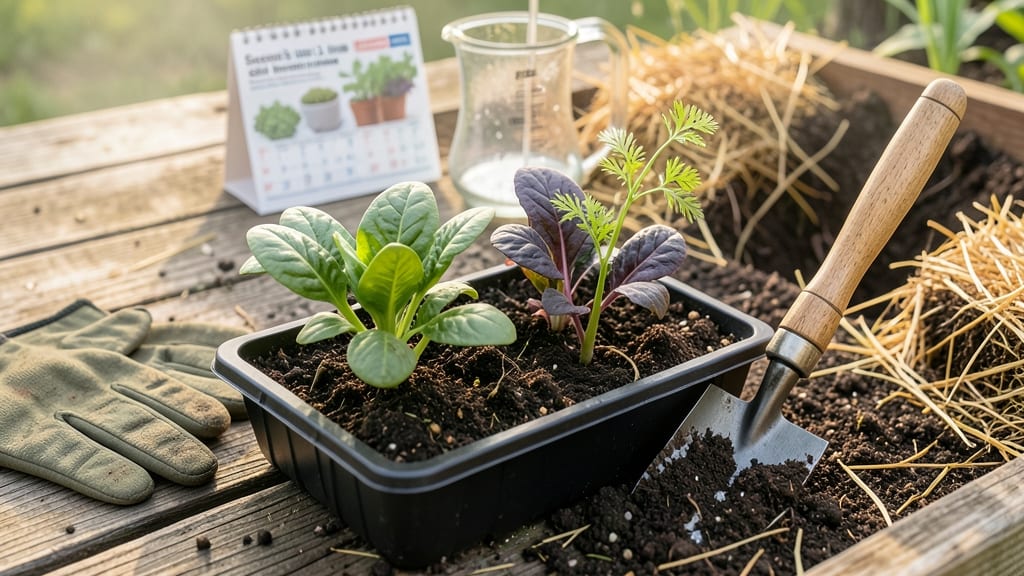
Timing when to plant a vegetable garden in Seattle could mean the difference between a thriving harvest and a sad, wilted disappointment—especially when coastal and inland areas play by different rules.
With Zone 8a bringing its own quirks, knowing when to plant isn’t just helpful—it’s essential for beating the unpredictable weather.
Most gardeners here learn the hard way: planting too early risks frost damage, while waiting too long shrinks your growing season. The key is understanding how Seattle’s late March to mid-September window splits into cool-season and warm-season crops—and why your neighbors’ success might not apply to your yard.
In this guide, I’ll break down the exact planting windows for your microclimate, whether you’re by the water or inland. You’ll discover which veggies thrive when, how to adjust for Seattle’s rain, and even how to stretch your harvest into fall.
No more guessing—just a foolproof plan for your 🥬 vegetable garden.
Ready to turn your backyard into a productive oasis? Let’s get started with the month-by-month schedule that actually works in Seattle.
Seattle planting calendar: coastal vs inland start dates by vegetable type
Seattle’s Zone 8b coastal areas and Zone 7b inland zones create distinct planting windows—sometimes 3-4 weeks apart. Coastal regions enjoy milder winters and later frosts, while inland areas face earlier cold snaps. Knowing these differences means the difference between a thriving garden and a failed harvest.
For coastal Seattle, the last frost typically lands around April 15, giving you an extra month of growing time compared to inland areas. Meanwhile, inland gardeners should plan for their last frost around May 1. These shifts affect everything from seed starting to transplant timing.
Use this comparison table to align your planting schedule with your microclimate. Whether you're growing cool-season greens or warm-season tomatoes, timing is everything in Seattle’s variable climate.
| Vegetable Type | Coastal Seattle (Zone 8b) | Inland Seattle (Zone 7b) | Notes |
|---|---|---|---|
| Cool-Season Crops (Lettuce, Peas, Spinach) | Start seeds: March 1 Transplant: March 15 |
Start seeds: March 15 Transplant: April 1 |
Plant 4-6 weeks before last frost. Use row covers for extra protection. |
| Warm-Season Crops (Tomatoes, Peppers, Cucumbers) | Transplant: May 1 Direct sow: May 15 |
Transplant: May 15 Direct sow: June 1 |
Wait until soil reaches 60°F+. Use black plastic mulch to warm soil faster. |
| Root Vegetables (Carrots, Beets, Radishes) | Direct sow: March 15 or August 1 | Direct sow: April 1 or August 15 | Sow in loose, stone-free soil. Successive plantings every 2 weeks for continuous harvest. |
| Alliums (Onions, Garlic, Leeks) | Plant sets: March 1 From seed: April 1 |
Plant sets: March 15 From seed: April 15 |
Onions and garlic prefer cool soil. Mulch heavily to retain moisture. |
| Fall Crops (Kale, Broccoli, Brussels Sprouts) | Transplant: July 15 Direct sow: August 1 |
Transplant: July 1 Direct sow: July 15 |
These thrive in cooler fall temps. Harvest before first frost for best flavor. |
For coastal gardeners, the extended growing season means you can squeeze in two harvests of warm-season crops like beans and zucchini. Start a second planting of cucumbers or summer squash around July 1 to enjoy a late-summer bounty.
Inland gardeners should focus on fast-maturing varieties and prioritize cool-season crops that tolerate lighter frosts. Consider cold-hardy greens like kale or Swiss chard, which can survive light freezes and even improve in flavor.
Pro tip: Use frost blankets or row covers to extend your coastal growing season into October. Inland areas can benefit from early season cold frames to jumpstart spring plantings.
Seattle’s variable rainfall also plays a role. Coastal areas get more consistent moisture, while inland zones may need supplemental irrigation during dry spells. Always check your soil’s moisture level before watering—overwatering is a common mistake in Seattle’s damp climate.
If you’re unsure about your exact microclimate, observe your neighbors’ gardens or check local Cooperative Extension Service reports for real-time frost data. Every 100 feet in elevation can shift your frost date by 1-2 weeks, so precision matters.
Start with these microclimate-specific adjustments, and you’ll be well on your way to a productive Seattle vegetable garden—no guessing required. 🌱
How Seattle’s rainy season affects your planting timeline (and how to adapt)
Seattle’s famous rainy season—think October through May—can make planting feel like a gamble. Too much moisture leads to waterlogged soil, fungal diseases, and stunted growth. But with the right strategies, you can turn this challenge into an advantage by extending your growing season and protecting delicate plants.
The key is understanding how excess rain impacts soil health. Clay-heavy soils common in Seattle drain poorly, suffocating roots and preventing seeds from germinating.
I’ve learned to amend soil with compost and use raised beds to improve drainage—this makes all the difference for spring planting when the ground is still damp.
Here’s the biggest mistake I see: planting warm-season crops too early because the soil feels dry on the surface. Tomatoes, peppers, and cucumbers need consistent warmth (at least 60°F soil temp) to thrive. Waiting until mid-May for these plants ensures they don’t rot in cool, soggy soil.
Seattle’s rain can make it easy to skip watering, but most vegetables still need 1-2 inches of water weekly—even in rainy months. Use a rain gauge to track precipitation and adjust accordingly. Container gardens dry out faster, so monitor them daily.
💧
To combat fungal diseases like powdery mildew or blight, I prioritize air circulation and resistant varieties. For example, disease-resistant tomatoes (like ‘Mountain Merit’) and spaced-out plantings reduce humidity around leaves. Row covers also work wonders—they let sunlight through while shielding plants from heavy rain.
Don’t let Seattle’s cool, wet springs discourage you from growing. Cold-hardy greens like kale, spinach, and peas thrive in March-April and can handle light frosts. Meanwhile, slow-cookers like broccoli and cabbage planted in late August mature before the first frost in November.
For warm-season crops that need heat, consider black plastic mulch or cloche covers to warm the soil faster. I’ve had great success with bush beans and zucchini under row covers in early June, giving them a head start before removing the covers in July.
Finally, embrace season extension tools like cold frames, hoop houses, or even a simple greenhouse kit. These let you start seeds indoors in February and transplant 4-6 weeks before the last frost, giving you a jump on the season.
With these adaptations, Seattle’s rainy season becomes a manageable part of your gardening routine instead of a roadblock. 🌧️