
Planting
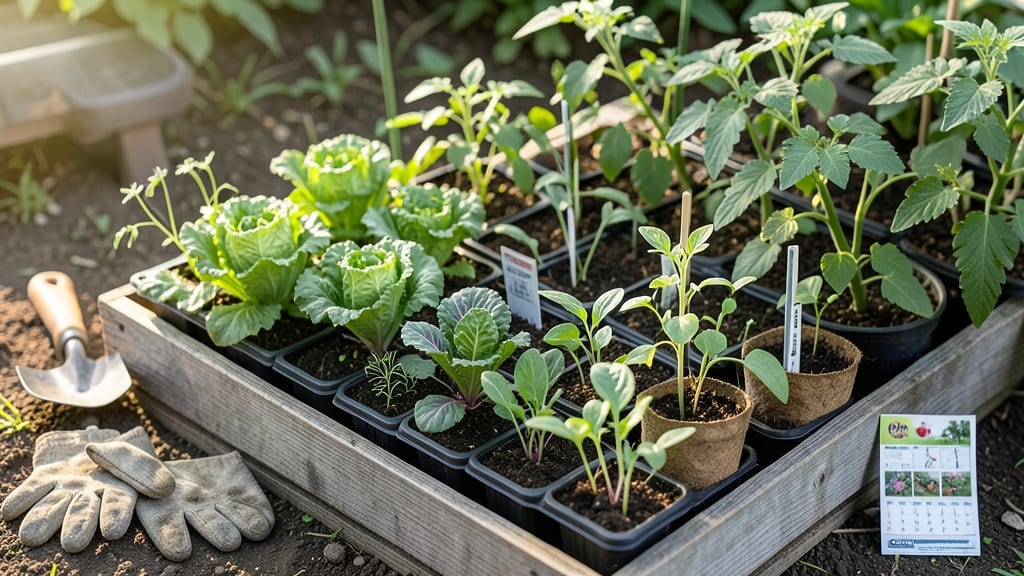
Timing when to plant a vegetable garden in New Brunswick isn’t just about luck—it’s about outsmarting the climate. One wrong move, and your hard-earned seeds could end up as bird snacks instead of homegrown meals.
The difference between a thriving garden and a failed experiment often comes down to knowing exactly when to plant, based on your specific microclimate.
With New Brunswick’s Zone 5b conditions, you’ve got two prime windows to work with: April-May for spring crops and July-August for fall harvests. But here’s the catch—your exact planting dates depend on whether you’re in coastal Saint John, inland Fredericton, or the cooler Miramichi region.
Miss the mark, and you might be fighting frost or wilting heat instead of enjoying fresh tomatoes.
I’ve dug into the science (and a few local gardener war stories) to give you a foolproof system. No more guessing games—just data-backed timing that accounts for soil temperature, frost dates, and even elevation.
Whether you’re a first-timer or a seasoned grower, these insights will help you plant with confidence and avoid the most common mistakes that derail New Brunswick gardens.
Ready to transform your garden from gamble to guarantee? Let’s break down the exact windows, tools, and tricks you need to make this your most successful growing season yet—no matter where you are in the province.
New Brunswick frost dates 2024: exact planting windows by vegetable type
New Brunswick’s USDA Zone 5b climate means your vegetable garden timing must account for late spring frosts (often around May 15) and early fall frosts (mid-October). I’ve broken down the exact planting windows for Fredericton, Saint John, and Miramichi—plus heat-tolerant varieties to maximize your harvest.
For cool-season crops like spinach and peas, you can start as early as late March to April under row covers. Warm-season crops like tomatoes and peppers need to wait until after May 20 when soil temps reach 10°C (50°F).
Coastal areas (e.g., Saint John) may have 2-3 weeks earlier last frost dates than inland zones.
🌱 Pro Tip: Use the 50°F soil thermometer rule—most seeds won’t sprout until soil reaches this temp. Test with a soil thermometer before planting warm-season crops.
🌱 New Brunswick Planting Windows by Crop Type
| Crop Type | Planting Window | Notes for NB |
|---|---|---|
| Cool-Season (Spinach, Kale, Peas) | March 20 - April 30 | Use row covers for early starts; harvest before bolting. |
| Warm-Season (Tomatoes, Peppers, Corn) | May 20 - June 15 | Wait for soil >10°C; use heat-tolerant varieties like 'Early Girl' tomatoes. |
| Root Crops (Carrots, Beets, Radishes) | April 1 - June 10 | Sow every 2 weeks for continuous harvest; avoid rocky soil. |
| Fall Crops (Kale, Brussels Sprouts, Lettuce) | July 15 - August 15 | Plant heat-tolerant varieties; harvest before hard frost. |
For Fredericton’s inland climate, aim to plant warm-season crops by May 25—later than coastal Saint John (May 15). Miramichi’s cooler microclimate may need row covers until June 10 for tomatoes. Always check Environment Canada’s 7-day forecast before planting outdoors.
💡 Heat-Tolerant Picks: Try 'Black Krim' tomatoes (thrive in 25°C+ heat) or 'Malabar' spinach (stays crisp in summer). These varieties extend your harvest window by 2-3 weeks.
If you’re unsure about your local frost dates, use the Almanac’s Frost Calculator (link in resources) or observe cherry blossoms—they bloom when frost risk drops significantly. For container gardening, warm-season crops can start 2 weeks earlier since pots heat up faster.
🌿 Soil Prep Hack: Add composted manure in early April to warm soil faster. Test your soil’s pH (6.0-7.0 ideal)—New Brunswick’s acidic soils often need lime for vegetables like beans and peppers.
For fall gardening, start Brussels sprouts by July 15—they’ll sweeten during fall frosts. Use black plastic mulch to keep soil warm for late plantings. Never plant squash after August 1—they won’t mature before frost.
📅 Your Action Plan:
- Test soil temp on May 10 (use a meat thermometer).
- Plant cool crops by April 15 with row covers.
- Wait until after May 20 for tomatoes/peppers.
- Monitor Environment Canada alerts for late frosts.
How to adjust planting times for New Brunswick’s microclimates
New Brunswick’s diverse geography—from the coastal moderation of Saint John to the inland chill of Fredericton—means frost dates can vary by 1-2 weeks between regions. Even within your town, elevation differences of 100 feet can delay last frost by 3-5 days.
Understanding these microclimates lets you fine-tune planting for earlier harvests or extended seasons.
Coastal areas like Saint John and Grand Manan experience milder winters and later frosts, often 2 weeks later than inland zones. For example, while Fredericton’s last frost averages May 15, coastal gardeners can safely plant warm-season crops like tomatoes by May 22.
Conversely, higher elevations near Miramichi or the Gagetown area may see frost lingering until May 22.
Use this microclimate adjustment guide to tailor your schedule. Check local weather stations (like Environment Canada’s) for 10-year frost averages—your garden’s success depends on these hyper-local details. Even a south-facing slope warms 2-3°F faster than a north-facing area, making it prime for early potatoes or peas.
| Microclimate Type | Last Frost Date | First Frost Date | Adjustment Tip |
|---|---|---|---|
| Coastal (Saint John, Grand Manan) | May 22 ± 3 days | October 22 ± 3 days | Plant heat-lovers (tomatoes, peppers) 7 days earlier than inland zones. |
| Urban (Fredericton, Moncton) | May 15 ± 4 days | October 15 ± 4 days | Use row covers to plant cool crops (lettuce, spinach) 10 days before official last frost. |
| Inland Highlands (Miramichi, Gagetown) | May 22 ± 5 days | October 10 ± 5 days | Start cold frames for early potatoes or hardy greens 3 weeks before last frost. |
| Valleys (e.g., Saint John River) | May 10 ± 4 days | October 20 ± 4 days | Avoid planting frost-sensitive crops until May 25—valleys trap cold air. |
If you’re unsure of your local frost dates, create a DIY frost calculator using these steps: Track daily lows for 5 consecutive years and average the last spring frost.
For example, if your garden’s lows dip below 32°F on May 10, 15, 12, 14, and 13 over 5 years, your average last frost is May 13. Adjust planting dates 2 weeks before this average for cold-hardy crops.
For fall planting, use the first frost date as your deadline. Coastal areas can squeeze in one more harvest of kale or carrots by planting July 15, while inland gardeners should start by July 1.
Always account for maturity days—a 60-day tomato planted July 20 won’t ripen before frost in most of NB.
Pro tip: Plant sensitive crops like cucumbers near windbreaks or south-facing walls—these spots warm 5-10°F faster than open ground. With these microclimate tweaks, you’ll maximize your growing season and avoid frost-related losses. 🌱