
Planting
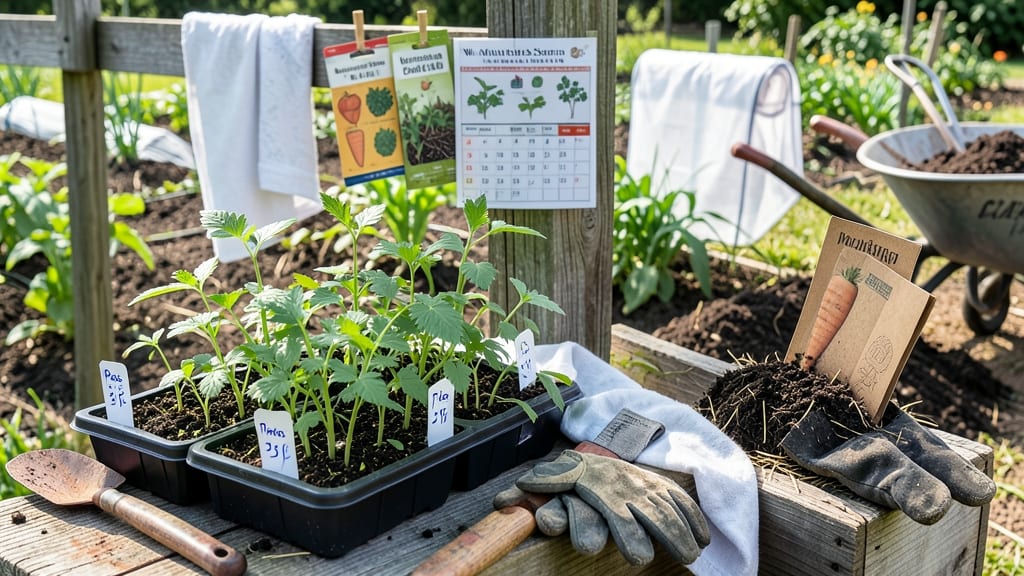
Timing your garden right in Washington State isn’t just about luck—it’s about knowing when to plant General Garden 🌱 to beat frost and maximize your harvest. The wrong move means wasted seeds and lost crops, while the perfect window unlocks a bountiful harvest.
With USDA zones 5b-9a across the state, your planting schedule should shift dramatically depending on whether you're in rainy Western WA or drier Eastern WA.
Let’s cut through the guesswork. I’ll break down the ideal planting windows for your region, from cool-season crops like peas and lettuce to heat-lovers like tomatoes and peppers.
Whether you’re in Seattle’s 7b-9a or Spokane’s 4b-6b, you’ll learn exactly when to start seeds indoors and when to plant directly in the soil for zero-frost success.
But here’s the kicker: Washington’s microclimates—think urban heat islands, mountain valleys, or coastal breezes—can shift your planting window by weeks. I’ll show you how to adjust for these local factors, so you’re not caught off guard by late frosts or early chills.
Ready to turn your General Garden into a thriving oasis? Let’s dig in.
You’ll also discover pro tips to extend your growing season, from using row covers to strategic succession planting. No more wondering if you planted too early or too late—just a foolproof plan tailored to your corner of Washington. Let’s make this your most successful gardening season yet.
Washington State planting zones: frost dates by region (and how they affect your garden)
Washington State’s diverse climate stretches from USDA Zone 4b in the high desert to Zone 9a along the coast, creating wildly different planting windows. Your location determines whether you can plant tomatoes in May or wait until June—or even July in cold mountain valleys.
Let’s break down the last frost dates by region so you can time your garden like a pro.
In Western Washington (Seattle, Bellingham, Olympia), the average last frost falls between March 15 and April 15. This gives gardeners a 165-day frost-free season, perfect for cool-season crops like peas and lettuce early in the year.
Meanwhile, Eastern Washington (Spokane, Yakima, Wenatchee) waits until May 1 to June 1 for its last frost, with only 120 frost-free days—a critical factor for heat-loving crops like peppers and eggplants.
Here’s how these microclimates shift your planting timeline:
Urban areas like Seattle often experience urban heat islands, delaying frost by 1-2 weeks compared to rural zones. Meanwhile, mountain valleys (e.g., Mazama) can have 30-day shorter growing seasons than nearby lowlands.
To find your exact last frost date, check the Washington State University Extension’s frost map or use the Almanac’s Frost Calculator with your ZIP code.
For cool-season crops like kale or carrots, plant 4-6 weeks before your last frost date. Warm-season crops such as tomatoes and peppers need to wait until soil temperatures reach 50°F+, which typically happens 2-4 weeks after the last frost in Western WA but 6-8 weeks later in Eastern WA.
Pro tip: Use row covers or cold frames to push start dates 2-3 weeks earlier in colder regions. Just don’t risk it with tender crops like cucumbers—they’ll bolt or die if exposed to even light frost.
Always check 7-day forecasts before planting warm-season crops, as late frosts can still sneak in.
Remember, microclimates matter more than your ZIP code. A south-facing slope warms up faster than a north-facing garden, while urban sidewalks can create pockets of warmth. Observe your garden’s unique conditions for 3 years to refine your planting schedule.
Now that you know your frost-free window, let’s dive into the best planting schedule for Washington’s top vegetables—where timing can mean the difference between a bountiful harvest and a wasted seed packet.
Best planting schedule for Washington’s top 10 vegetables (from cool-season staples to heat-loving crops)
Washington’s diverse microclimates mean your planting schedule should match your region. Western WA’s milder winters let you start cool-season crops like lettuce and peas as early as February, while Eastern WA’s later frost dates push warm-season crops like tomatoes back until mid-May.
Let’s break down the best planting windows for your top 10 veggies.
For Western WA (Seattle, Bellingham), aim to plant cool-season crops like kale and carrots 4-6 weeks before your last frost (typically March 15-April 15). Meanwhile, warm-season crops such as peppers and eggplants need to wait until soil warms to 50°F+, usually late April to May.
Eastern WA (Spokane, Yakima) gardeners should wait until after May 1 for most crops, as frost lingers longer. Succession planting is key here—sow lettuce every 2 weeks from April to August to enjoy fresh greens all season.
🌱
| Crop | Western WA Planting Window | Eastern WA Planting Window | Harvest Time | Pro Tip |
|---|---|---|---|---|
| Lettuce | Feb-March, Aug-Sept | April-May, July-Aug | Spring: April-June Fall: Sept-Nov |
Sow every 2 weeks for continuous harvest |
| Potatoes | March-April | April-May | July-August | Plant seed potatoes in loose, well-drained soil |
| Tomatoes | May-June (after frost) | June-July | July-September | Use black plastic mulch to warm soil faster |
| Peppers | May-June | June-July | August-October | Start indoors in March for earlier harvests |
| Carrots | March-April, July-Aug | April-May, July | June-July, Sept-Oct | Loosen soil to prevent forking |
| Green Beans | May-June | June-July | July-September | Plant after soil reaches 60°F |
| Broccoli | March-April, July | April-May | May-June, Sept-Oct | Harvest heads before they bolt |
| Cucumbers | May-June | June-July | July-September | Trellis vines for better air circulation |
| Kale | March-April, July-Aug | April-May | May-June, Sept-Nov | Sweeter after frost—harvest into fall |
| Zucchini | May-June | June-July | July-September | Harvest when 6-8 inches long |
For high-altitude areas like Wenatchee or Leavenworth, adjust