
Plants
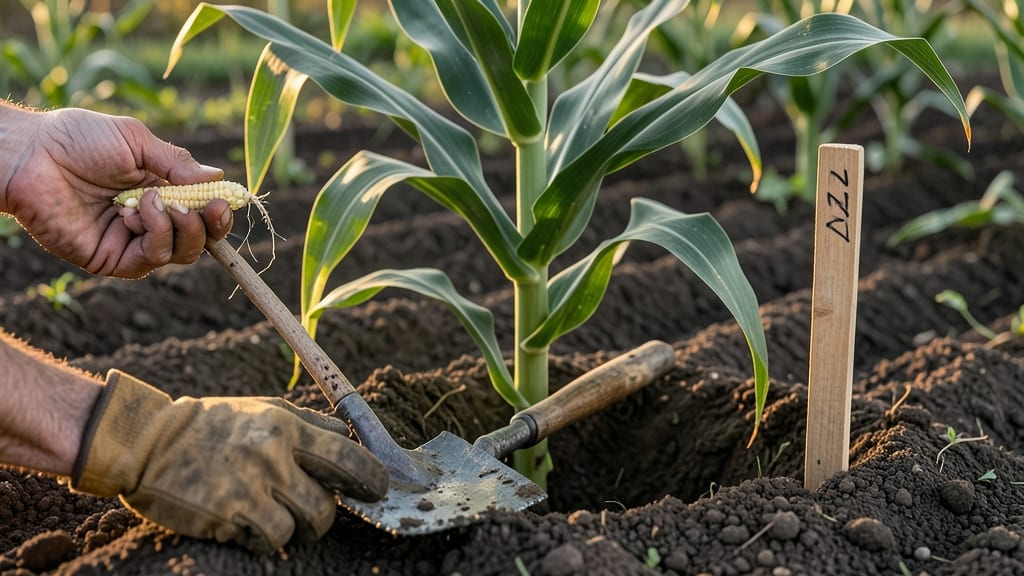
Timing your 🌽 corn planting in Washington State isn’t just about following a calendar—it’s about outsmarting the Pacific Northwest’s unpredictable weather. Plant too early in the Puget Sound, and a late frost could turn your tender seedlings into sad, crunchy snacks.
Get it right, though, and you’ll be feasting on homegrown ears by summer, while your neighbors are still debating whether to buy corn at the grocery store.
Washington’s diverse climate—from the 6b-7b zones of the Willamette Valley to the high-desert extremes of Eastern WA—means one planting window doesn’t fit all. Whether you’re in the rain-shadow of the Cascades or the coastal fog belt, the mid-April to mid-May rule is just the starting point.
Soil temperature, elevation, and even your backyard’s microclimate play bigger roles than you’d expect.
I’ve grown corn across these zones, and the difference between a bountiful harvest and a disappointing patch often comes down to 3 key factors: knowing your last frost date, choosing the right variety for your elevation, and giving your plants the perfect head start.
Skip any of these, and you might as well be gambling with your garden space.
Ready to stop guessing and start growing? Let’s break down the exact planting strategies that work for Washington’s three major elevation zones, so you can finally grow corn that’s worth bragging about—no matter where you live in the Evergreen State.
Washington State corn planting calendar by elevation zones (with frost risk charts)
Washington State’s dramatic elevation shifts—from sea-level Puget Sound to high-desert plateaus—mean your corn planting date could vary by 6 weeks depending on location. Lowland gardeners in Skagit County might plant by late March, while high-desert growers in Walla Walla should wait until mid-May.
The key? Understanding your elevation zone and matching it to soil temperature thresholds (corn needs 60°F+ to germinate).
Below is your elevation-based planting guide, including last-frost averages, ideal planting windows, and recommended corn varieties for each zone. Pro tip: Use a soil thermometer to confirm readiness—cold soil delays germination, even if frost risk has passed.
🌽
| Elevation Zone | Last Frost Date | Planting Window | Soil Temp Threshold | Best Varieties |
|---|---|---|---|---|
| Lowland (0–1,000 ft) | March 15–April 15 | Mid-March to early April | 55–60°F (13–15°C) | 'Golden Bantam' (70 days), 'Silver Queen' (85 days) |
| Mid-Elevation (1,000–3,000 ft) | April 1–May 1 | Late April to mid-May | 60–65°F (15–18°C) | 'Ambrosia' (75 days), 'Peaches & Cream' (80 days) |
| High-Desert (3,000+ ft) | May 1–June 1 | Mid-May to early June | 65–70°F (18–21°C) | 'Early Sunglow' (70 days), 'Honey & Pearl' (85 days) |
Notice how high-desert zones like Moses Lake or Pullman have later frost dates but need warmer soil? That’s because cold nights in the desert cool the ground faster.
For these areas, consider black plastic mulch to raise soil temps by 5–10°F and extend your planting window by 2 weeks.
In coastal regions (e.g., Olympia or Bellingham), rainfall patterns matter more than elevation. Overcast skies delay soil warming, so wait until consistent daytime highs of 65°F+ before planting. Use row covers if late frosts linger—corn can tolerate 28°F for short periods once established.
For urban gardeners in Seattle or Spokane, microclimates create exceptions. A south-facing urban lot might be 2–3 weeks ahead of rural areas at the same elevation. Check local weather station data (like AgWeatherNet) for hyper-local frost predictions.
🌡️
Pro move: Plant successive crops every 2 weeks to stagger harvests. In Western WA, this means starting with early varieties in March and ending with long-season types in early May. In Eastern WA, stick to one planting window (mid-May) to avoid frost risk entirely.
🔍 Local Tip: Washington State University Extension offices offer free soil tests—use them to check pH (6.0–7.0 ideal) and organic matter before planting. Amend with compost if your soil feels clay-heavy (common in Palouse region soils).
5 Critical factors that determine your exact corn planting date in WA
Washington’s corn planting dates aren’t just about calendar months—they hinge on five critical factors that override generic planting charts. Ignore these, and you’ll either lose your crop to frost or watch it bolt in the heat. Let’s break down what truly matters for your specific location and variety.
First, soil temperature is non-negotiable. Corn seeds won’t germinate until the soil reaches 60°F (15°C)—no exceptions. In Western WA’s cooler zones, this can mean waiting until mid-May, while Eastern WA’s high-desert areas might hit that mark by early April. Use a soil thermometer for accuracy, not guesswork.
Next, last frost dates vary wildly by microclimate. The Puget Sound’s average last frost is April 15, but inland areas like Yakima can be frost-free by March 20.
Mountainous regions like the Cascades often see frost until May 10. Planting too early in these zones risks frost damage to tender seedlings.
Soil Temperature
Corn needs 60°F (15°C) soil to germinate. Test with a thermometer—don’t rely on air temps.
Last Frost Date
Puget Sound: April 15 | Eastern WA: March 20 | Mountains: May 10. Plant after these dates.
Daylength Sensitivity
Short-day varieties (like 'Golden Bantam') need 12+ hours of daylight to thrive. Plant in late May for best results.
Corn Variety Maturity
Early varieties (60-75 days): Plant by April 15. Late varieties (100+ days): Plant by May 1.
Local Rainfall Patterns
Drought-prone areas (e.g., Columbia Basin) need consistent irrigation. Coastal areas get enough rain—plant earlier.
Finally, local rainfall patterns can shift your timeline. In drought-prone areas like the Columbia Basin, you’ll need to irrigate consistently after planting, which might push you to plant earlier to ensure adequate moisture.
Conversely, coastal WA often gets enough rain—so you can plant 1-2 weeks earlier without worrying about drought stress.
To fine-tune your schedule, grab a notebook and jot down these three questions: What’s my last frost date? When does my soil hit 60°F? Which corn variety am I growing? The answers will give you your exact planting window—no more guesswork, just golden ears.