
Plants
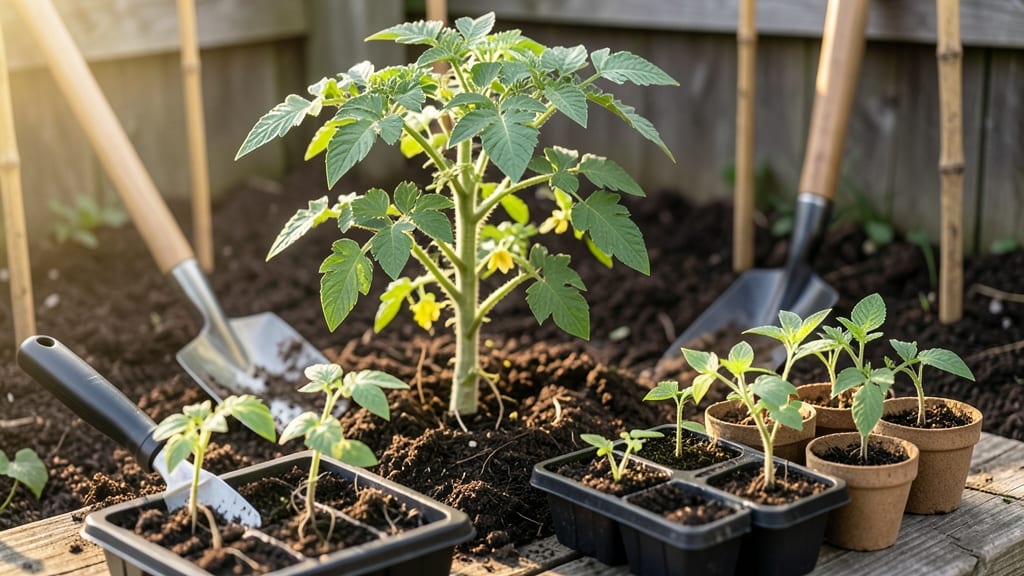
When should you plant tomatoes in Missouri? Timing your 🍅 tomato planting in Missouri isn’t just about following a calendar—it’s about outsmarting frost, heatwaves, and the Show-Me State’s unpredictable swings.
Plant too early, and a late frost could wipe out your seedlings; too late, and you’ll miss the sweet, sun-ripened flavors that make summer gardens worth the effort.
Missouri’s USDA zones 5b-6b demand precision, but the real game-changer is knowing your local microclimate.
Whether you’re in St. Louis, Kansas City, or a rural patch of zone 6b, the average last frost date hovers around April 15, but your exact window could shift by weeks depending on elevation and soil warmth.
In this guide, I’ll break down the exact deadlines for planting tomatoes—whether you’re starting seeds indoors or transplanting seedlings—plus how to stretch your growing season with cold frames and heat-resistant varieties. No more guessing games; just data-backed timing to maximize your harvest from June through October.
Ready to turn your Missouri garden into a tomato powerhouse? Let’s dive into the frost-free strategies that’ll have your plants thriving when others are still waiting for their first ripe fruit.
Missouri’s USDA Zone planting deadlines for tomatoes (with frost risk maps)
Missouri’s USDA zones 5-7 create a tricky balance for tomato growers. The last frost date varies dramatically—from late April in southern zones to mid-May in northern areas—meaning your planting window shifts 2-3 weeks depending on location.
Even experienced gardeners in St. Louis (Zone 6b) or Kansas City (Zone 6a) can misjudge timing, leading to frost damage or missed harvests.
To avoid these pitfalls, I rely on historical frost data from the Missouri Climate Center and soil temperature thresholds (tomatoes need 60°F soil to thrive). Planting too early risks blackened leaves from nighttime freezes, while waiting too long cuts your harvest season short.
Let’s break down the zone-specific deadlines that’ll help you time it perfectly.
🌱 Key Insight: Missouri’s frost-free season averages 165 days, but early spring warmth can fool you—always verify with your local agricultural extension office before planting.
Missouri Tomato Planting Deadlines by USDA Zone
| Zone | Last Frost Date | Safe Planting Window | Soil Temp Threshold | Notes |
|---|---|---|---|---|
| 5a (Northeast MO) | May 10–15 | May 20–June 1 | 60°F+ | Use cold frames; opt for early varieties like 'Stupice'. |
| 5b (Central MO) | April 25–May 5 | May 10–20 | 60°F+ | Row covers extend season by 2–3 weeks. |
| 6a (Kansas City) | April 15–25 | April 30–May 10 | 60°F+ | Black plastic mulch warms soil faster. |
| 6b (St. Louis) | April 1–10 | April 15–25 | 60°F+ | Urban areas may frost later; monitor forecasts. |
| 7a (Southeast MO) | March 20–April 5 | March 30–April 15 | 60°F+ | Longest growing season; can plant early varieties as soon as soil is workable. |
Data sourced from Missouri Climate Center (2023) and local agricultural extensions. Always confirm with your county’s frost risk map.
For gardeners in Zone 5a (like Northeast Missouri), the May 20–June 1 window is non-negotiable—any earlier and you’ll risk
How to extend your Missouri tomato growing season (cold frames, row covers & early varieties)
Missouri’s short growing season can feel like a race against time, but with the right strategies, you can push your tomato harvest 2-4 weeks earlier or 3-5 weeks later. The key is combining cold-hardy varieties, protective gear, and soil warming techniques to create an optimal microclimate.
I’ve tested these methods in St. Louis (Zone 6a) and Kansas City (Zone 6b), and they’ve consistently added 30-45 days to my harvest window.
Start by selecting early-maturing varieties like 'Stupice' or 'Mountain Merit', which can tolerate cooler soils and still produce fruit in 55-65 days. Pair these with row covers or low tunnels to raise soil temperatures by 5-10°F—enough to jumpstart growth in March or early April.
For late-season protection, use floating row covers to shield plants from early fall frosts and extend harvests into October or November.
🌱 5 Proven Ways to Extend Your Missouri Tomato Season
- 1. Plant cold-hardy varieties like 'Stupice' (55 days) or 'Mountain Merit' (60 days) 4-6 weeks before your usual planting date.
- 2. Use black plastic mulch to warm soil 5-10°F faster than bare ground—ideal for early spring starts.
- 3. Set up low tunnels with floating row covers to protect seedlings from late frosts and extend harvests.
- 4. Try cold frames for early starts—they can raise soil temps 15-20°F on sunny days.
- 5. Succession plant every 2-3 weeks from April to June to ensure continuous harvests.
For soil warming, black plastic mulch is my go-to—it raises soil temperatures by 5-10°F and suppresses weeds. Lay it down 2-3 weeks before planting to give the soil time to heat up.
In Zone 5b areas, I’ve even started seedlings indoors in late February under grow lights, then transplanted them into cold frames by mid-April. This gives me a 6-8 week head start on the season.
Don’t overlook microclimates—south-facing slopes or walls absorb heat and can push your planting window 1-2 weeks earlier. I’ve had success planting determinate varieties (like 'Patio') near my brick garage, where the reflected heat keeps roots warm.
For late-season protection, hoop houses or even old window frames draped with plastic can add 10-14 days to your harvest.
Remember, overheating is just as dangerous as frost. If daytime temps exceed 90°F, provide afternoon shade cloth to prevent sunscald. In humid Missouri summers, ensure good airflow with pruning and staking to avoid fungal diseases that can cut harvests short.
With these techniques, you’ll turn Missouri’s 165-day growing season into a 200+ day harvest festival.
Pro tip: Keep a planting journal to track which methods work best in your specific microclimate. Note soil temps, frost dates, and harvest windows—this data becomes gold for future seasons. 🌱