
Plants
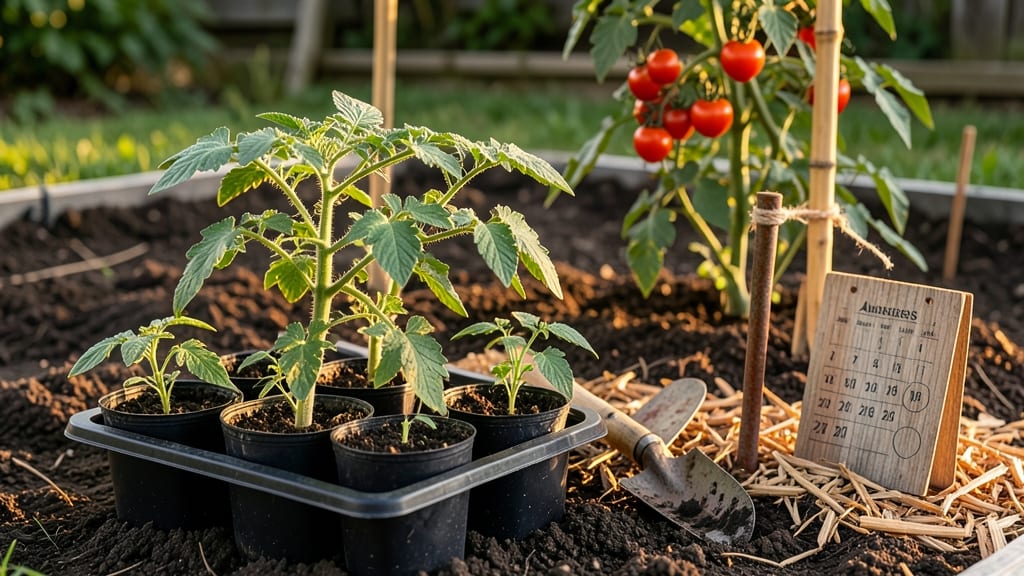
Planting tomatoes in Arkansas isn’t just about waiting for spring—it’s about timing them perfectly between frost and scorching summer heat to guarantee a bountiful harvest. With USDA zones 7a-8b and a growing season that spans from June to October, Arkansas gardeners face unique challenges that require careful planning.
The key to success lies in starting your 🍅 seedlings after the last frost date—typically mid-April to early June—but before the soil temperature climbs too high. Too early, and frost will kill your tender plants; too late, and the summer heat will stress them before they even produce fruit.
In this guide, I’ll walk you through the ideal planting windows for each Arkansas heat zone, soil prep tips to ensure strong starts, and how to extend your harvest season.
Whether you’re a first-time gardener or a seasoned grower, these strategies will help you beat the heat and enjoy homegrown tomatoes all summer long.
From selecting heat-tolerant varieties to understanding when to transplant, you’ll learn exactly what it takes to turn your Arkansas garden into a tomato powerhouse. Let’s get started!
Arkansas tomato planting dates by heat zone: avoid frost and heat stress
Arkansas spans USDA hardiness zones 7a through 8b, meaning your tomato planting window varies dramatically from the cooler north to the hotter south. Northern Arkansas (zones 7a-7b) has a longer frost risk, while southern Arkansas (zones 8a-8b) faces earlier heat stress.
The key is planting after your last average frost date—typically mid-April to early May—but before soil temperatures exceed 90°F, which stunts growth.
For accurate local frost dates, check the Arkansas Cooperative Extension Service maps or use the National Weather Service's climate tools. Soil thermometers are your best friend—wait until the soil reaches at least 60°F for germination.
In northern Arkansas, this might mean waiting until late April or early May, while southern growers can start as early as mid-March in greenhouses or early April outdoors.
🌱
| USDA Zone | Last Frost Date | Ideal Planting Window | Heat-Tolerant Varieties | Soil Temp Requirement |
|---|---|---|---|---|
| 7a (North Arkansas) | April 15–20 | May 1–15 | 'Celebrity', 'Mountain Merit' | 60–65°F |
| 7b (Central Arkansas) | April 1–10 | April 15–May 1 | 'Arkansas Traveler', 'Better Boy' | 60–68°F |
| 8a (South Arkansas) | March 15–April 1 | March 20–April 15 | 'Solar Fire', 'Heatmaster' | 65–70°F |
| 8b (Southeast Arkansas) | March 1–15 | March 1–March 30 | 'Solar Fire', 'Arkansas Big Red' | 68–72°F |
🌡️ Pro Tip: Use black plastic mulch to warm soil faster in cooler zones.
If you're transplanting seedlings from nurseries, aim for 4–6 weeks before your last frost date.
For example, in zone 7a, buy seedlings by mid-April to transplant by May 1. Direct sowing seeds is riskier in Arkansas due to unpredictable late frosts, but you can try it 2–3 weeks after your last frost if you use row covers for protection.
One common mistake is planting too early in zone 8b, where soil can warm too quickly. Heat-loving varieties like 'Solar Fire' or 'Heatmaster' thrive when planted by mid-March, but traditional varieties like 'Better Boy' may struggle if planted before April 15. Stagger your planting—start with early varieties, then add heat-tolerant types later—to extend your harvest season.
🌡️
Arkansas' high humidity and summer heat create ideal conditions for fungal diseases like early blight. To mitigate this, avoid overhead watering and plant resistant varieties like 'Mountain Merit' or 'Arkansas Traveler'. Drip irrigation keeps foliage dry, while mulching with straw helps regulate soil temperature.
In zone 7a, where nights can still dip below 50°F in May, use frost blankets for early transplants.
For container gardening, which is popular in urban areas like Little Rock, use 5-gallon pots or larger and plant 1–2 weeks after your last frost date.
Containers warm up faster, so monitor soil temperature closely—70°F+ can scorch roots. Self-watering pots help maintain consistent moisture, which is critical in Arkansas' unpredictable summer rains.
💧
Don't forget about fall planting! In zones 8a–8b, you can plant a second crop in late summer (August–September) for a winter harvest. Choose fast-maturing varieties like 'Early Girl' or 'Stupice' and use row covers to protect from early October frosts.
In zone 7a, fall planting is riskier but possible with greenhouse protection or cold frames.
For personalized advice, contact your local Arkansas Cooperative Extension office—they offer free soil tests and pest alerts tailored to your county. With the right timing and varieties, you can enjoy tomatoes from June through October—or even longer with smart planning!
How to extend Arkansas tomato season: stagger planting for continuous harvests
Arkansas’s unpredictable weather—sweltering summers, sudden storms, and early heat waves—can derail your tomato harvest if you plant all at once. The secret to a longer, more reliable harvest is staggered planting, a technique that spreads out your 🍅 varieties over 6-8 weeks.
This way, you’ll always have plants in the flowering and fruiting stages, avoiding the dreaded "blight gap" where all your tomatoes ripen at once.
In Arkansas, where summer temperatures often exceed 90°F by June, staggered planting also helps you beat the heat. Start with early-season varieties in April, then follow with mid-season and heat-tolerant types every 2-3 weeks.
This approach ensures you’re not left with a bumper crop all at once—just a steady supply from June through October.
Here’s how I break it down: Plant 3 batches of tomatoes in Arkansas, each with a different maturity timeline. The first batch goes in mid-April (after last frost), the second in early May, and the third in late May to early June.
This way, your first tomatoes ripen in June or July, while the last batch keeps producing until early fall.
Don’t forget to rotate your planting locations each year to prevent soil-borne diseases like early blight and fusarium wilt, which are common in Arkansas’s humid climate. If you’re short on space, consider container gardening for your late-season batch—it’s easier to move pots to shadier spots when temperatures soar.
For extra insurance, I always keep a few cold-hardy varieties like 'Stupice' on hand. If a late frost sneaks in (yes, it happens in Arkansas!), these can recover better than traditional types. Pair your staggered planting with mulching and drip irrigation to keep roots cool and moisture consistent.
Pro tip: Use row covers for your earliest batch to protect from late frosts while still allowing sunlight. Remove them once flowers appear to avoid heat stress during pollination. With this method, you’ll enjoy tomatoes from June to October—no more sad, sun-scorched plants!