
Plants
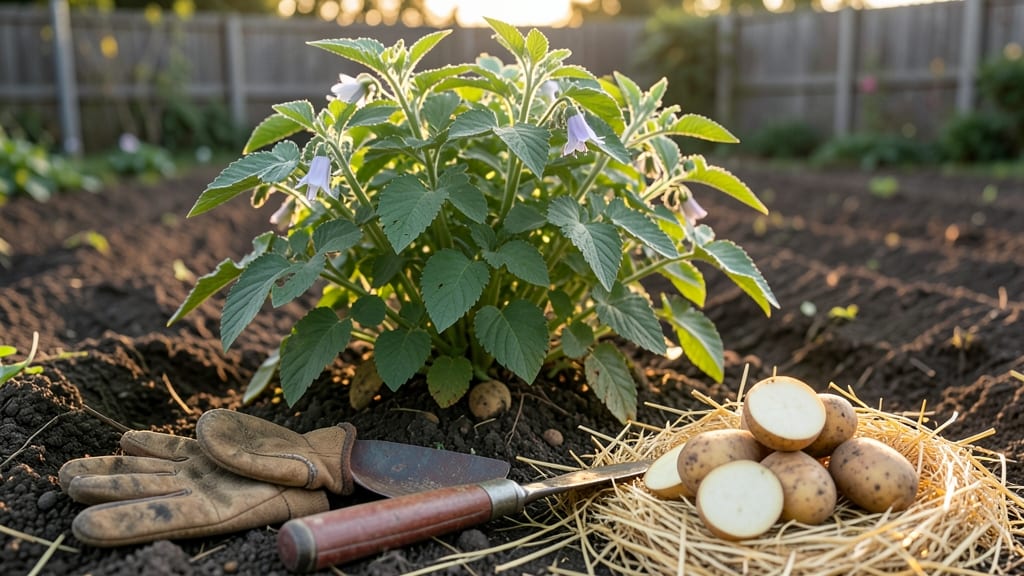
If you're asking "when should you plant potatoes in Michigan", timing is the secret weapon between a 50-pound harvest and a handful of shriveled tubers. Michigan’s USDA Zones 5b-6a mean frost can linger until mid-May in some areas, so planting too early risks losing your entire crop to ice.
Most gardeners in Michigan swear by mid-April to early May as the sweet spot—just after the last frost date but before the soil warms to 45°F. But here’s the catch: Northern Michigan’s chillier climate demands patience, while Southern Michigan gardeners can start slightly earlier.
The key is reading your soil and local weather patterns like a pro.
I’ll walk you through the exact 4-week window that works for both regions, plus how to prep your soil and choose the right varieties to beat Michigan’s unpredictable spring. No more guessing—just a foolproof plan for zero-frost success.
Ready to turn your garden into a potato powerhouse? Let’s dig into the details that’ll have you harvesting 🥔-sized yields by summer.
Michigan potato planting calendar: exact dates by Zone 5-6 and last frost risks
Michigan’s USDA Zones 5b-6a create a tricky balance for potato planting. The last frost date shifts dramatically—from mid-April in Southern Michigan to early May in the Upper Peninsula.
Planting too early risks frost-killed sprouts, while waiting too long means your 90-day varieties won’t mature before fall frost. Here’s how to pinpoint your exact planting window.
First, check your average last frost date using the Michigan State University Extension frost map. Then, count back 4-6 weeks—this gives your seed potatoes time to sprout before the ground thaws.
For example, if your last frost is May 1st, aim for mid-to-late March planting under frost protection (like row covers).
Soil temperature is just as critical as air temperature. Potatoes need 45°F soil to sprout consistently. Use a soil thermometer to confirm—cold soil delays germination and invites rot. In Northern Michigan, this often means waiting until late April even if the air warms earlier.
Here’s the golden planting window by region:
| Region | Last Frost Date | Ideal Planting Window | Soil Temp Threshold |
|---|---|---|---|
| Southern Michigan (Detroit, Lansing) | Mid-April | Late March to early April (under frost cloth) | 45°F+ |
| Central Michigan (Grand Rapids, Kalamazoo) | Early May | Mid-to-late April | 45°F+ |
| Northern Michigan (Traverse City, UP) | Early May | Late April to early May | 50°F+ (warmer soil needed) |
Pro tip: Use Michigan’s 150-180 frost-free days to calculate your harvest window. Early varieties (like ‘Yukon Gold’) need 90 days, so plant them first. Late varieties (like ‘Russet Burbank’) can go in early June for a fall harvest, but risk frost damage before maturity in Northern Michigan.
For extra insurance, plant a test row 2 weeks early and cover it with frost cloth. If it survives, you’ve found your sweet spot. If not, wait another week. This trial-and-error method saves your entire crop from guesswork.
Don’t forget: Container gardening extends your planting window. Fill pots with well-draining soil and plant 2-3 weeks later than in-ground potatoes—containers warm faster and let you move them to sunniest spots as needed.
Now that you’ve nailed your planting dates, let’s tackle soil prep—because even the best timing won’t save you from clay-heavy Michigan soil or disease-prone conditions. Stay tuned for my next section on preparing your garden beds like a pro.
🌱
Michigan potato planting calendar: exact dates by Zone 5-6 and last frost risks
Michigan’s USDA Zones 5b-6a create a tricky balance for potato planting—too early and frost zaps your crop, too late and you miss the 90-day growing window most varieties need. The golden rule? Plant when your soil hits 45°F and all frost risks have passed.
In Southern Michigan, this typically lands in mid-April to early May, while Northern Michigan gardeners should wait until late April to early May.
To pinpoint your exact date, check your local last frost average—most Michigan counties list this between April 15 and May 10. For example, Detroit-area gardeners can plant by April 20, while Traverse City should wait until May 1.
Pro tip: Use the National Weather Service’s frost prediction tool or call your local Cooperative Extension office for hyper-local advice.
Here’s the 4-week planting window broken down by region, plus soil temperature thresholds to avoid common mistakes:
| Region | Last Frost Date | Ideal Planting Window | Soil Temp Threshold | Days to Harvest |
|---|---|---|---|---|
| Southern Michigan (Detroit, Lansing) | April 15–20 | April 20–May 5 | 45°F+ | 90–120 days |
| Central Michigan (Grand Rapids, Kalamazoo) | April 25–May 1 | May 1–15 | 45°F+ | 90–110 days |
| Northern Michigan (Traverse City, Marquette) | May 1–10 | May 10–25 | 45°F+ | 100–120 days |
Don’t let these dates fool you—soil temperature matters more than air temperature. Use a soil thermometer to confirm your garden bed is ready. Cold soil slows sprouting, and potatoes planted in below-45°F soil risk rot or stunted growth.
If your soil is still chilly, opt for cold-hardy varieties like ‘Yukon Gold’ or ‘Kennebec’, which tolerate cooler conditions better than ‘Russet Burbank’.
For gardeners in Zone 5b, consider a row cover or cold frame to extend your planting window by 2–3 weeks. This trick lets you plant as early as mid-March under protection, giving you a head start on the season.
Just remove covers when nighttime temps stay above 50°F to prevent overheating.
Remember: Michigan’s short growing season demands efficiency. If you miss the spring window, some late varieties (like ‘Red LaSoda’) can be planted in early June for a fall harvest—just expect smaller yields. Timing isn’t just about dates; it’s about reading your microclimate like a pro.