
Plants
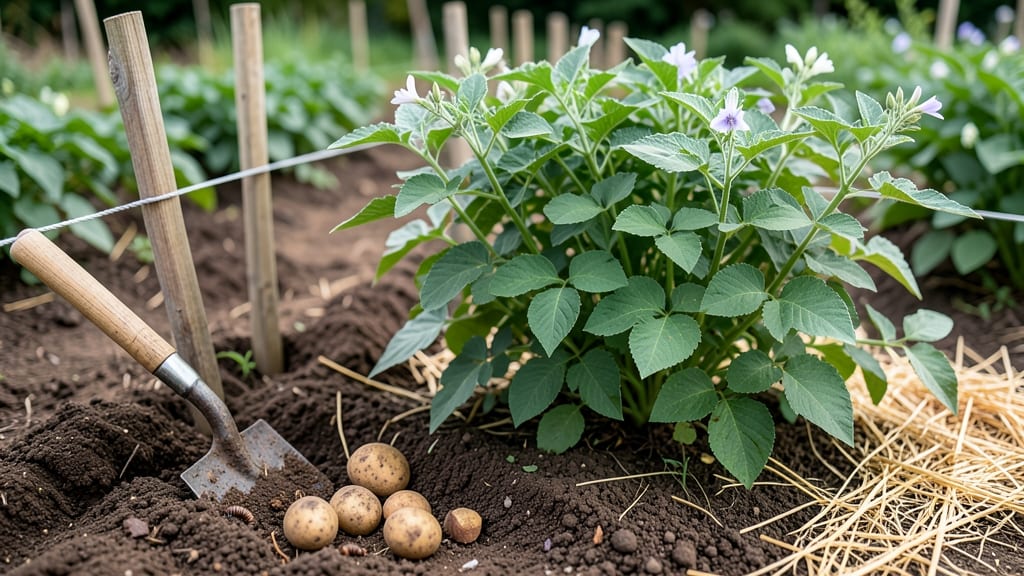
If you've ever planted potatoes in Zone 5 only to watch frost nip your seedlings before they even sprout, you're not alone. The perfect timing for planting potatoes in this zone can make or break your harvest—and it all comes down to soil temperature and frost risk.
Most gardeners assume spring planting is the only option, but with the right strategies, you can actually plant potatoes earlier than you think. I've tested the best methods to beat frost, from soil warming tricks to frost-resistant varieties, and the results are game-changing for Zone 5 growers.
In this guide, I'll walk you through the exact soil temperature thresholds (between 40-50°F) that signal it's safe to plant, plus regional variations that could add 2-3 weeks to your planting window.
Whether you're a first-time gardener or a seasoned pro, these insights will help you maximize your potato yield.
Ready to turn your potato patch from a frost casualty into a thriving harvest? Let's dive into the soil temperature secrets that will give your potatoes the best possible start in Zone 5.
Zone 5 potato planting calendar: exact dates based on soil temperature
Planting potatoes in Zone 5 requires precision—your timing must balance soil temperature and frost risk. The ideal window opens when soil reaches 40-50°F, typically between late April and mid-May, but this varies by microclimate and elevation.
Early plantings risk frost damage, while late plantings may yield small potatoes before fall frost.
Most Zone 5 gardeners aim for 2-3 weeks after the last spring frost, but don’t rely solely on frost dates. Soil temperature is the true indicator—potatoes won’t sprout until the ground warms to 45°F or higher.
In northern Zone 5, this could mean waiting until mid-May, while southern areas might start as early as late March under row covers.
For a longer harvest window, many gardeners plant in two batches: the first in early spring (early varieties) and the second 2-3 weeks later (late varieties).
This strategy ensures potatoes mature before fall frost, even if the season is short. Early varieties like 'Yukon Gold' or 'Red Norland' are best for the first planting.
| Planting Window | Soil Temp Threshold | Frost Risk | Best Varieties |
|---|---|---|---|
| Early Spring (March-April) | 40-45°F (with protection) | High (late frosts common) | Early: 'Red LaSoda', 'Kennebec' |
| Standard Spring (May) | 50-55°F (optimal) | Moderate (frost unlikely) | Mid-season: 'Yukon Gold', 'Russet' |
| Late Spring (June) | 55-60°F (warm soil) | Low (harvest before frost) | Late: 'Purple Viking', 'German Butterball' |
🌱 Use row covers for early plantings to extend the season
If you’re planting in northern Zone 5 (e.g., Minnesota, Wisconsin), aim for after May 15th to avoid frost. Southern Zone 5 (e.g., Missouri, Kansas) can start as early as mid-April.
Check your local USDA frost map and adjust by 1-2 weeks based on recent climate trends—global warming has shifted frost dates in many areas.
For fall planting, some gardeners attempt a late harvest by planting in July or August using fast-maturing varieties like 'Early Rose' or 'Chieftain'. These potatoes need 90-100 days to mature, so time your planting so they’re ready by first frost.
This method works best in areas with long, hot summers.
Pro tip: Use a soil thermometer ($10 at garden centers) to monitor temperatures. Stick it in the ground at 4-inch depth (where potatoes grow) and plant when it consistently reads 45°F or warmer for 3-5 days. This beats guessing and ensures strong germination.
Remember, potatoes are cool-season crops, but they hate cold soil. If you plant too early, seeds may rot before sprouting. The sweet spot is when soil is workable but not scorching—typically 50-60°F. This balance maximizes your harvest potential in Zone 5’s short growing season.
🌱 For extra insurance, plant seed potatoes in containers or raised beds—they warm up faster than in-ground soil. This lets you start 2-3 weeks earlier than traditional in-ground planting, giving you a head start on the season.
5 Proven soil temperature tricks to plant potatoes safely in Zone 5
Testing your soil temperature before planting potatoes in Zone 5 is the #1 trick to avoid frost damage. Potatoes need soil between 40-50°F to sprout properly—any colder, and your seeds will rot before they even germinate.
I’ve used a simple soil thermometer for years, and it’s saved me from multiple failed plantings when late frosts hit.
Here’s how I do it: Stick the thermometer 4 inches deep (where potato seeds will be planted) and check it in the morning. If it’s consistently above 45°F, your potatoes are safe to go in the ground.
Pro tip: Warmer soil speeds up germination, so aim for 50°F or higher if you’re in a cooler microclimate.
🌱
If you’re planting in early spring when frost is still a risk, I recommend using row covers or a mini greenhouse to protect seedlings. Even a simple floating row cover can raise temps by 5-8°F, making all the difference when late frosts hit.
I’ve seen potatoes planted in late April thrive with this protection, while uncovered plants in the same bed failed.
Another trick I swear by is planting in layers. Start with an early variety in mid-April (when soil hits 45°F), then add a second planting 2-3 weeks later for a staggered harvest.
This way, even if the first batch gets nipped by frost, you’ll still have a backup crop. It’s like having a safety net for your potato patch!
For gardeners in northern Zone 5 (like Minnesota or upstate New York), aim to plant by May 1st to avoid frost entirely. In southern Zone 5 (like Missouri or Virginia), you can push it to late April if you’re using soil-warming methods.
The key is to monitor local frost dates and adjust your timeline accordingly.
💧