
Plants
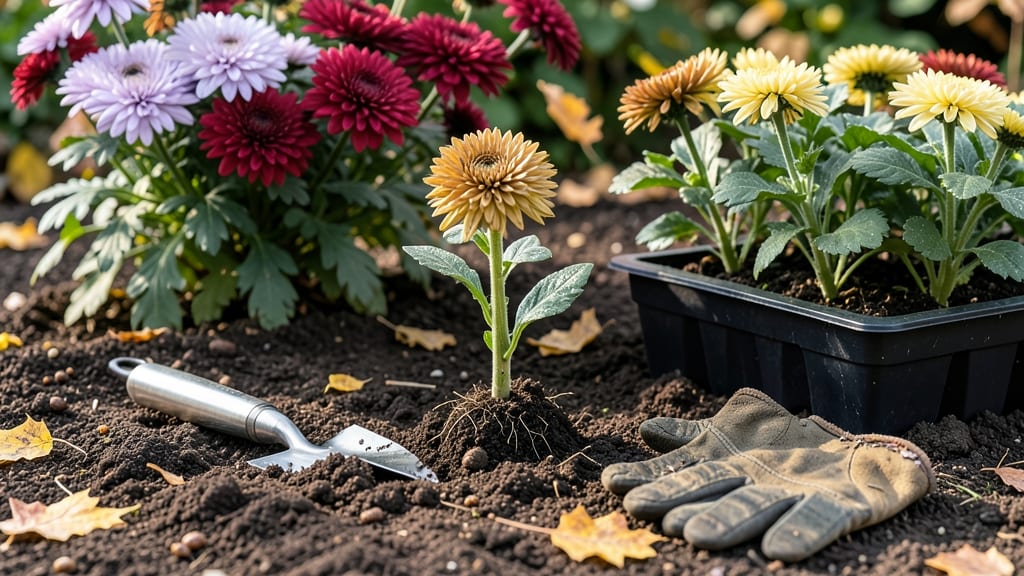
If you’ve ever wondered when should you plant mums in the ground to avoid wilted blooms and maximize fall color, timing is the key to success in USDA Zone 6a.
Planting too early or late can turn your hard work into a seasonal flop—especially when frost sneaks up faster than you expect.
Here’s the secret: the perfect window for planting mums isn’t just about the calendar—it’s about soil warmth, frost dates, and even your local microclimate. Get it right, and you’ll enjoy those showstopping blooms from September straight through October.
I’ll walk you through the exact 6-8 week rule before your first frost, plus how to adjust for northern vs. southern climates. Whether you’re a first-time gardener or a seasoned pro, these tips will ensure your mums thrive—not just survive.
Ready to transform your garden into a fall masterpiece? Let’s dive into the game-changer for planting mums at the ideal time.
Optimal planting timeline for mums by USDA hardiness Zones
Planting chrysanthemums (mums) at the right time ensures vibrant fall blooms and winter survival. The 6-8 week rule before your first frost date is your golden window—adjust based on your USDA hardiness zone.
In Zones 3–5, aim for mid-July to early August; in Zones 6–10, stretch it to late July through September.
For northern climates (e.g., Minnesota, Maine), plant earlier varieties by late June to beat early frosts. In southern regions (e.g., Texas, Florida), you can plant up to October—just avoid summer heatwaves that stress young roots. My Midwest garden thrives with late August plantings for October blooms.
Use this zone-specific guide to avoid common mistakes like planting too late (weak roots) or too early (bolting). Check your local frost dates via the USDA Plant Hardiness Zone Map or Almanac’s Frost Calculator for precision.
| USDA Zone | Ideal Planting Window | Key Notes |
|---|---|---|
| 3–5 (Cold) | Mid-July to Early August | Early varieties only; mulch heavily for winter. |
| 6–7 (Temperate) | Late July to Mid-August | Standard window; avoid late August in Zone 7. |
| 8–10 (Mild) | Late July to September | Extend to October in Zone 10; use shade cloth in summer. |
In the Pacific Northwest, where cool summers linger, I plant late August for September–October blooms. For southern California, October plantings work—just water deeply to combat dry winds. Pro tip: Container-grown mums adapt faster than bare-root varieties, so plant them 1–2 weeks later.
Watch for local microclimates: A south-facing slope warms faster than a north-facing yard. In Zone 6a, my sunny border gets 2 weeks earlier planting than my shady corner. Use a soil thermometer to confirm temps are 50–60°F—cold soil stunts root growth.
Perennial mums (like ‘Mammoth’ or ‘Bonanza’) need 6–8 weeks to establish roots before frost. Annual mums (e.g., ‘Dynasity’ series) tolerate later plantings but bloom 4–6 weeks sooner if planted early. My fall garden always includes both types for extended color.
For Zone 5 gardeners, plant early varieties by July 1st to avoid early October frosts. In Zone 9, you can even plant in November for spring blooms—just protect with row covers if temps drop below 40°F.
Remember: Soil temperature matters more than air temperature. Use a soil thermometer ($10 at garden centers) to check 6 inches deep. If it’s below 50°F, wait 1–2 weeks.
My 2022 lesson: Planting too early in Zone 6 led to stunted growth—now I test soil first.
For container gardens, plant 1–2 weeks later than in-ground mums since pots warm faster. Use well-draining potting mix and 14-inch pots for dwarf varieties. My balcony mums bloom 2 weeks later than ground-planted ones but last 3 weeks longer in vases.
Finally, label your mums by planting date! Track which varieties bloom earliest (e.g., ‘Autumn Joy’) vs. latest (e.g., ‘Medley’). Over 3 years, I’ve perfected a staggered planting schedule for nonstop fall color—start with early varieties in July, then add mid-season and late bloomers in August.
How to tell when soil and weather are Really Ready for Mums
Planting mums at the wrong time can turn your dream fall garden into a flop. The secret isn't just checking the calendar—it's reading your local soil temperature, frost risk, and even nature's subtle signals.
I've planted mums for years, and I can tell you: soil temps below 50°F will shock roots, while late summer heatwaves can stress young plants before blooming season. Let's break down how to get it right every time.
First, grab a soil thermometer—it's your best tool for timing. Mums thrive when soil temps sit between 50–60°F. In USDA Zones 3–5, this usually means waiting until late July or early August, while Zones 7–10 can plant as late as September.
Pro tip: Check temps in the early morning when soil is coolest—this gives you the most accurate reading for planting day.
Don't ignore local microclimates either. A south-facing slope warms up faster than a shady corner, and urban areas can trap heat. I once planted mums in a north-facing bed in Zone 6—they bloomed late and struggled through an early frost.
Always scout your planting spot for 3–5 days before committing. Look for leaf drop in nearby trees like maples or oaks—this is nature's sign that cooler weather is coming.
Another critical factor? Frost risk. Mums need 6–8 weeks to establish roots and bloom before frost hits. Use your local frost date calculator (like the Old Farmer's Almanac) to work backward.
For example, in Zone 5 with a October 10 frost date, aim to plant by August 15. If you're in a warmer zone (Zone 9+), you can push planting to late September—just be ready to water deeply to prevent heat stress.
Watch for these 3 signs your garden is ready: 1) Soil feels warm to the touch (like a baked potato), 2) Daytime temps stay above 70°F consistently, and 3) Humidity drops (mums hate soggy roots).
I once planted mums in June in Zone 7 because the soil felt warm—but the high humidity triggered fungal issues. Always prioritize dry, warm soil over eagerness to start early.
Finally, adjust for your mum's variety type. Garden mums (perennial) need early planting (July–early August), while disbudded mums (longer-lasting blooms) can go in late August. If you're unsure, ask your nursery for days-to-bloom estimates—most garden mums bloom in 90–120 days.
For example, if you buy 120-day mums in Zone 6, plant them by August 1 to avoid frost.
Timing mums right isn't rocket science—it's about reading your climate and respecting the plants' needs. With these tips, you'll have bold, healthy blooms that steal the show all fall long. Now go check that soil temp—your mums are waiting! 🌼