
Flowers
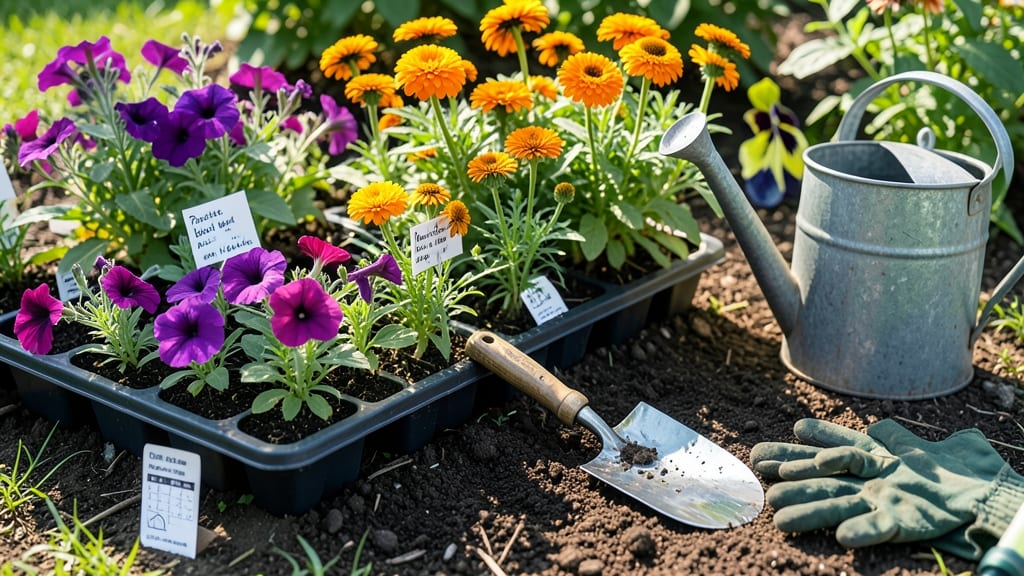
Timing your flower planting in Ohio can make the difference between a garden bursting with vibrant 🌸 blooms and one that struggles through the 6a-6b growing season. The answer isn't a one-size-fits-all date—it depends on whether you're planting cool-loving annuals, hardy perennials, or heat-seeking summer flowers.
Most Ohio gardeners know the general rule: wait until after the last frost, but that's where things get tricky. With average last frost dates ranging from mid-April in southern Ohio to early May in the north, your planting window shifts dramatically.
Even within the same city, microclimates can push those dates by 2 weeks—so knowing your exact zone is the key to success.
This guide will walk you through Ohio's frost-free zones, the best varieties for each planting window, and pro tips to extend your blooming season. Whether you're a first-time gardener or a seasoned pro, you'll discover exactly when to plant for maximum impact—without risking frost damage or missed blooms.
Let's break down the perfect planting schedule so your garden thrives from spring to fall, no matter where in Ohio you're located. The secret to stunning flowers starts with timing—and we've got you covered.
Ohio’s frost-free zones: when to plant flowers by last frost dates
Ohio’s USDA hardiness zones 5a-6b create a unique challenge for gardeners—late frosts can strike as late as mid-April in northern regions, while southern Ohio may see frost-free conditions by early April.
These last frost dates determine whether your annuals or perennials survive transplanting. For example, Columbus typically hits its last frost around April 15, while Cleveland might wait until May 1.
Understanding your local frost-free zone isn’t just about avoiding frost damage—it’s about maximizing bloom time. Annual flowers like marigolds and zinnias need warm soil (60°F+) to thrive, while cool-season perennials (e.g., coneflowers) can handle earlier planting.
Even a 2-week delay can shift your garden’s peak bloom from June to July, changing your entire seasonal display.
| Region | Last Frost Date | First Frost Date | Best Planting Window | Notes |
|---|---|---|---|---|
| Southern Ohio (e.g., Cincinnati, Dayton) | Mid-April | Late October | Early April–May 15 | Warmest zone; plant tender annuals first. |
| Central Ohio (e.g., Columbus) | April 15 | Mid-October | Late April–May 10 | Transitional zone; wait for soil warmth. |
| Northern Ohio (e.g., Cleveland, Toledo) | May 1 | Early October | Early May–June 1 | Cooler; prioritize hardy perennials. |
If you’re planting bulbs in fall (e.g., tulips or daffodils), aim for 6-8 weeks before first frost—typically late September to early October. Bulbs need cold stratification to bloom, so don’t wait too long!
For container-grown flowers, you can push planting dates slightly earlier, as pots warm faster than garden soil.
Pro tip: Use a frost clock or local weather alerts (like the Ohio State University Extension) to track 10-day forecasts. A sudden cold snap can drop temperatures 20°F in 24 hours, turning your garden into an icebox overnight.
For tender annuals like petunias, wait until nighttime temps stay above 50°F consistently.
Microclimates matter too! Urban areas like Columbus may experience heat islands, allowing earlier planting, while rural farmland can stay colder longer. Observe your yard: South-facing slopes warm up faster, while low-lying areas hold frost longer. Adjust planting dates by 1-2 weeks based on these microclimates.
For perennial flowers (e.g., black-eyed Susans), you can plant in early spring as soon as soil is workable, even if frost lingers. These hardy plants bounce back from light frosts. But annuals like geraniums or impatiens? Wait until after Memorial Day in northern Ohio to avoid frost damage.
Don’t forget about succession planting! If you miss the early spring window, plant fast-growing annuals like bachelor’s buttons or cosmos in late May for a summer-long display. These varieties self-seed easily, giving you free blooms next year if you let them go to seed.
Ohio’s first frost typically arrives in mid-October, but late-season bloomers like asters or chrysanthemums can handle light frosts. For tender perennials (e.g., canna lilies), dig up tubers or mulch heavily to protect roots.
In Zone 6b, you can even extend the season by 3-4 weeks with row covers or cold frames.
Start a planting journal to track your local frost dates over years—Ohio’s climate shifts with La Niña or El Niño patterns. One year, you might plant zinnias in late April; the next, you’ll need to wait until mid-May. Adaptability is key to Ohio gardening success!
Best flower varieties to plant in Ohio: early spring vs. late spring vs. summer bloomers
Ohio’s variable climate demands smart flower selection—some varieties thrive in cool spring soil, while others wait for warmer temperatures. I’ve categorized my top picks to match Ohio’s planting windows, ensuring your garden stays vibrant from spring to fall.
Start with hardy annuals like pansies, then transition to heat-loving zinnias as temps rise.
For early spring (February–March), focus on cool-season flowers that tolerate light frosts. These include pansies, snapdragons, and sweet alyssum, which bloom even in 40°F soil. Plant them 4–6 weeks before your last frost date—typically by mid-March in most of Ohio.
🌱
- Pansies: Thrives in 35–55°F soil; 6–12 inches tall, blooms all season.
- Snapdragons: Cold-hardy to 25°F; spikes reach 2–3 feet, perfect for cut flowers.
- Sweet Alyssum: Drought-tolerant; 6-inch mounds with honey-scented blooms.
- Calendula: Edible petals; 1–2 feet tall, attracts pollinators.
- Zinnias: Heat-loving; 1–4 feet tall, long-lasting blooms in red, pink, yellow.
- Marigolds: Pest-repellent; 1–2 feet tall, thrives in full sun.
- Sunflowers: Fast-growing; 3–12 feet tall, needs deep soil.
- Coneflowers: Drought-resistant perennial; 2–3 feet tall, pollinator magnet.
- Chrysanthemums: Frost-tolerant; 1–3 feet tall, blooms in fall colors.
- Pansies (again!): Biennial; replant for winter color.
- Sweet William: Fragrant; 1–2 feet tall, clusters of blooms.
Transition to warm-season flowers like zinnias and marigolds once soil reaches 60°F—usually by late April to early May. These heat-lovers need full sun and well-draining soil to prevent wilting.
For perennials, plant coneflowers or black-eyed Susans in spring or early fall—they’ll return year after year with minimal care.
Don’t overlook succession planting! Replace early bloomers like pansies with cosmos or sunflowers in June to keep your garden blooming until frost. My go-to for late summer is celosia, which thrives in 90°F+ heat and adds bold color.
For fall planting (August–September), opt for cool-season flowers like chrysanthemums or sweet peas. These give you late-season color before winter sets in. Just time it so they bloom 6–8 weeks before your first frost—typically by mid-October in Ohio.
Pro tip: Check Ohio State University Extension’s frost maps for your local last frost date. Adjust planting by 1–2 weeks if your spring is early or late. With the right mix, your Ohio garden can bloom from spring to frost! 🌻