
Companion Plants
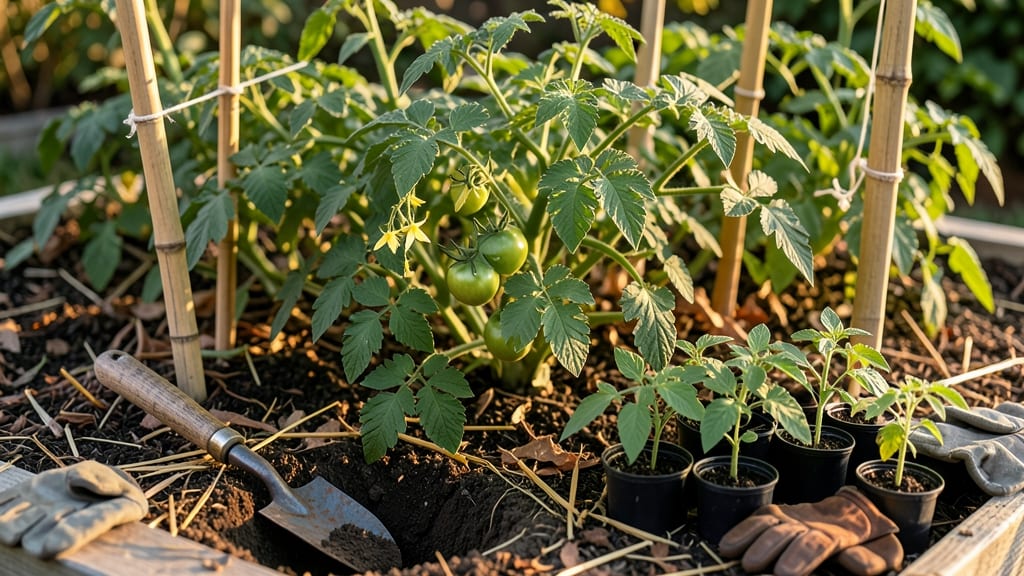
Timing when should I plant tomatoes in Illinois can make or break your harvest—get it wrong, and frost or heat waves will sabotage your hard work.
The difference between a bountiful summer and a failed garden often comes down to knowing when to plant, especially in USDA Zones 5b-6b where frost lingers longer than in warmer regions.
Most Illinois gardeners wait until after the last frost date, typically around mid-April to mid-June, but soil temperature matters just as much. Planting too early when the ground is still chilly can stunt your seedlings, while waiting too long cuts your harvest window short.
I’ll break down the exact frost-free timeline and soil temperature rules so you can time your planting perfectly.
You’ll also discover whether starting seeds indoors or transplanting seedlings works better for your schedule, plus how to stretch your growing season for fall tomatoes. With these strategies, you’ll avoid common mistakes and enjoy a longer, more productive harvest from July through October.
Ready to turn your garden into a tomato powerhouse? Let’s dive into the step-by-step guide tailored for Illinois’ climate—so you can skip the guesswork and plant with confidence.
Illinois tomato planting calendar: exact dates by USDA Zone 5b & 6a
Getting your tomato planting timed right in Illinois means the difference between a bountiful harvest and wasted effort. The state’s USDA Zones 5b and 6a have distinct frost-free windows, and missing them can leave your plants vulnerable to late spring frosts or stunted growth from early fall chills.
Let’s break down the exact dates and conditions you need to know.
For Zone 5b (northern Illinois), the average last frost date falls around April 25, while Zone 6a (southern Illinois) typically sees its last frost by April 15.
However, these are just averages—actual frost dates can shift by 1-2 weeks depending on weather patterns. Always have a backup plan for late frosts!
Here’s the critical timeline for planting tomatoes in Illinois, including soil temperature requirements and transplanting windows:
| Stage | Zone 5b (Northern IL) | Zone 6a (Southern IL) | Soil Temp Requirement |
|---|---|---|---|
| Start Seeds Indoors | Mid-March | Late February | 60-70°F |
| Transplant Seedlings Outdoors | May 10-20 | April 20-May 5 | 55-65°F |
| Direct Sow Outdoors | May 25-June 5 | May 1-15 | 60°F+ |
| First Frost Risk (Fall) | October 10-20 | October 5-15 | N/A |
If you’re planting heirloom tomatoes or varieties with longer maturation times (like Brandywine or Beefsteak), aim to transplant by May 1 in Zone 6a or May 15 in Zone 5b. These varieties need 80-90 days to reach maturity, so timing is even more critical.
For cherry tomatoes or early-maturing hybrids (such as Early Girl or Stupice), you have a bit more flexibility. These can be transplanted as late as June 1 in Zone 5b and May 20 in Zone 6a, as they mature in 60-70 days.
This makes them ideal for staggered planting to extend your harvest.
Always check your local frost dates using resources like the Old Farmer’s Almanac or your cooperative extension service. In my experience, even a single night below 32°F can devastate young seedlings, so don’t rush the process.
Harden off your seedlings for 7-10 days before transplanting to give them a fighting chance.
Pro tip: Use biodegradable seedling pots when transplanting to minimize root disturbance. This small step can boost your tomato yield by up to 20% by reducing transplant shock. Pair this with a mulch layer to retain soil moisture and regulate temperature—critical in Illinois’ unpredictable springs.
Finally, if you’re in Zone 5b and worried about late frosts, consider using row covers or a mini greenhouse to create a microclimate. This can push your planting window back by 1-2 weeks without risking frost damage.
I’ve seen gardeners in Chicago’s suburbs successfully transplant tomatoes as late as May 25 using this method.
Remember, the goal is to have your tomato plants established and growing before the heat of summer sets in. This ensures they’ll focus on fruit production rather than just leafy growth.
With these dates and tips, you’ll be well on your way to a homegrown tomato harvest that rivals anything from the store—or even a farmers’ market!
How to adjust tomato planting for Illinois’ unpredictable weather patterns
Illinois’ weather can throw off even the most experienced gardeners—one day it’s 60°F, the next it’s 32°F with frost warnings. The key to success? Flexibility. I’ve learned to use staggered planting and protective tools to safeguard my tomato plants when Mother Nature plays tricks.
Start with 3-week intervals between plantings to ensure a steady harvest, even if late frosts strike.
For Zone 5b (northern Illinois), where frosts linger until mid-May, I recommend using row covers or a mini greenhouse to create a microclimate. These tools can raise soil temperatures by 5-10°F, giving seedlings a fighting chance.
In my own garden, I’ve seen cold-hardy varieties like Stupice survive 40°F nights with just a lightweight cover.
Here’s my go-to strategy when Illinois weather gets unpredictable:
A soil thermometer is your best friend. Tomatoes thrive when soil hits 60°F—waiting ensures roots establish before stress hits. In Zone 6a, I’ve planted as late as May 15 with success, but only after confirming soil warmth.
Cold frames add 10-15°F of protection. I place them over seedlings in April to harden off plants gradually. Pro tip: Vent them on warm days to prevent overheating.
For June plantings, opt for heat-resistant types like Solar Fire or Heatmaster. These handle 90°F+ better than heirlooms and still ripen before fall frosts.
Plant half your tomatoes in May and the other half in early June. This ensures fruit ripens over 6-8 weeks, even if late frosts hit in October.
In Zone 6a, I plant cold-tolerant varieties like Mountain Merit in July for fall harvests. Use black plastic mulch to warm soil and row covers to delay frost damage.
Don’t let Illinois’ unpredictable weather derail your tomato dreams. I’ve had years where June frosts wiped out early plantings, but staggered schedules and protective gear saved my harvest.
For example, in 2022, a late frost killed my May seedlings, but my June-planted Solar Fire thrived and produced until October 10.
If you’re new to adjusting for Illinois’ climate, start with one staggered planting and row covers. These two tools alone can turn a 50% failure rate into a 90% success rate.
And always keep an eye on weather forecasts—I’ve used local farm alerts to cover plants just hours before frost.
Remember: Tomatoes are forgiving if you adapt. My late-June plantings often outperform early ones because they avoid spring’s temperature swings. With the right adjustments, you’ll enjoy homegrown tomatoes from July to October, no matter what Illinois throws your way. 🌱