
Companion Plants
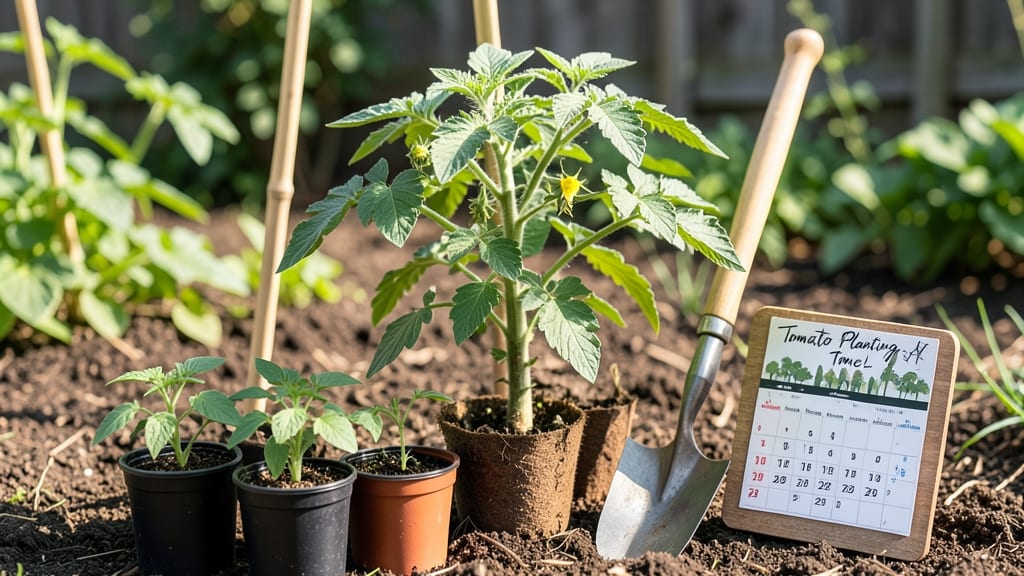
Timing when do you plant tomatoes in Pennsylvania isn’t just about waiting for spring—it’s about catching that sweet spot between frost danger and soil warmth that guarantees strong, productive plants. Skip the guesswork, and you’ll avoid stunted growth or early blight, while maximizing your harvest from June through October.
Pennsylvania’s USDA Zones 5b-7a mean your last frost can swing from late April in rural areas to mid-May in cities like Pittsburgh or Philadelphia. The real secret? Planting only after soil hits 60°F—transplants need warmth to thrive, and seeds won’t germinate properly in cooler dirt.
In this guide, I’ll break down the exact planting windows for your region, plus pro tips like using black plastic mulch to warm soil faster or staggering plantings for a continuous harvest. No more wasted seeds or sad, leggy seedlings—just juicy, homegrown tomatoes all season long.
Ready to turn your garden into a high-yield tomato powerhouse? Let’s get started with the soil temperature rules and frost-free timeline that actually works for PA’s unpredictable climate.
PA tomato planting timeline: frost dates & soil temperature rules for success
Pennsylvania’s last frost dates vary dramatically across its USDA Zones 5b-7a, so timing your tomato planting correctly is crucial. In the southeastern region (Philadelphia), you can typically plant by April 15, while northeastern PA (Erie) may wait until May 1 due to later frost risks.
Always check your local microclimate—urban areas like Pittsburgh often warm up faster than rural valleys.
Soil temperature is the true deciding factor for tomatoes. For direct-sown seeds, wait until the soil reaches a consistent 55°F—cold soil slows germination and invites disease.
If you’re using transplants, hold off until soil hits 60°F to prevent transplant shock and ensure vigorous root growth. A soil thermometer is your best friend here!
Here’s a quick reference for Pennsylvania’s average frost-free windows by region, along with the ideal planting windows for tomatoes:
| Region | Last Frost Date | Safe Planting Window | Soil Temp Threshold |
|---|---|---|---|
| Southeast (Philadelphia) | April 15 | April 20 - May 10 | 55°F+ (seeds) / 60°F+ (transplants) |
| Central (Harrisburg) | April 22 | April 25 - May 15 | 55°F+ (seeds) / 60°F+ (transplants) |
| Northeast (Erie) | May 1 | May 5 - May 20 | 55°F+ (seeds) / 60°F+ (transplants) |
| Southwest (Johnstown) | April 10 | April 15 - April 30 | 55°F+ (seeds) / 60°F+ (transplants) |
Pro tip: Use black plastic mulch to raise soil temperatures by 5-10°F, accelerating germination and giving you an earlier start. This is especially helpful in Zone 5b areas where frosts linger longer. Pair it with row covers for added frost protection if planting early.
If you’re growing tomatoes in containers or raised beds, they’ll warm up faster than in-ground soil. Aim to plant 1-2 weeks earlier in these setups, as they’re less affected by ground-level chills. Just ensure your containers have drainage holes to prevent waterlogged roots in cooler weather.
For transplants, harden them off for 7-10 days before planting by gradually exposing them to outdoor conditions. This reduces stress when you move them to the garden. Avoid planting transplants before May 1 in most of PA—early transplants often suffer from cold soil and fungal diseases like damping-off.
Remember: Tomatoes hate cold feet. Even if daytime temps are warm, nighttime temperatures below 50°F can stunt growth or trigger blossom-end rot. Use a minimum-maximum thermometer to track nighttime lows and adjust your planting schedule accordingly.
For succession planting, stagger your tomato varieties every 2 weeks from late April through early June. This ensures a continuous harvest through October, even as some early varieties finish their cycle. Try pairing Early Girl (60 days) with Mountain Merit (75 days) for a long-season spread.
🌱
PA tomato planting timeline: frost dates & soil temperature rules for success
Pennsylvania’s last frost dates vary wildly by region—from late April in rural areas to mid-May in cities like Philadelphia or Pittsburgh. But frost isn’t the only threat: cold soil can stunt seedlings or trigger fungal diseases.
The real magic number? 60°F soil temperature for transplants and 55°F for direct sowing. Below that, roots struggle to absorb nutrients, and your plants waste energy just trying to stay warm.
Use a soil thermometer (they’re cheap!) to check temperatures in the morning. If your soil hasn’t warmed up by late May, don’t panic—just delay planting. Rushing leads to transplant shock, where plants bolt (stretch wildly) or develop weak stems that snap in wind or rain.
Trust me, a few extra weeks of waiting beats struggling with sad, leggy tomato plants all summer.
Here’s your PA-specific planting timeline based on average frost dates and soil warmth:
| Region | Last Frost (Avg.) | Soil Temp Goal | Best Planting Window |
|---|---|---|---|
| Western PA (Pittsburgh) | April 25–May 5 | 60°F+ (transplants) | May 1–15 (after last frost) |
| Southeastern PA (Philadelphia) | April 15–25 | 55°F+ (direct sow) | April 25–May 10 |
| Northeastern PA (Erie) | May 5–15 | 60°F+ (transplants) | May 15–30 |
| Central PA (Harrisburg) | April 20–May 5 | 58°F+ (hybrid zone) | May 1–20 |
*Source: Penn State Extension climate data (2023)
Pro tip: Black plastic mulch can add 5–10°F to soil temperature, letting you plant 1–2 weeks earlier without risk. Just lay it down 2–3 weeks before planting to warm the soil and suppress weeds. I’ve used it for years, and it’s a game-changer for PA’s cool springs.
For transplants, start them indoors 6–8 weeks before your last frost date. If you’re direct sowing, wait until soil is consistently above 55°F—even if nighttime temps dip, as long as daytime highs are above 70°F, your seeds will germinate reliably.
Use a seedling heat mat if you’re impatient, but I’d rather wait a few extra days than deal with damping-off disease.
Remember: Early planting ≠ early harvest. Tomatoes need 70–90 days to fruit, so planting too soon just delays your reward. Aim for a June harvest by timing your plantings right—no more waiting until July for your first ripe tomato!