
Companion Plants
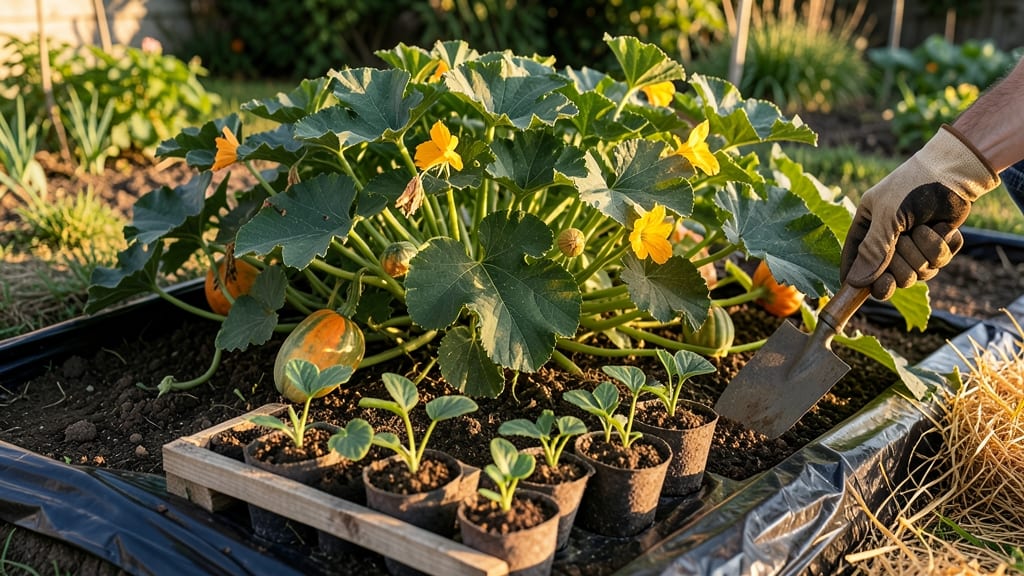
Planting pumpkins in Ohio isn't just about tossing seeds into the dirt—it's about catching that perfect frost-free window when your 🎃 vines can thrive. With Ohio's unpredictable spring weather, getting the timing wrong means wilted seedlings or stunted fruit, not the jackpot harvest you're dreaming of.
Most Ohio gardeners (especially in USDA Zone 6a) wait until after the last frost—typically late April to early May—but soil temperature matters just as much. Cold ground slows growth, so aim for 60°F or warmer before planting.
This guide breaks down the exact deadlines and microclimates across Ohio's regions so you can plant with confidence.
Why does this matter? Because pumpkins need 90-120 days to mature, and Ohio's short growing season leaves little room for error. We'll cover everything from hardening off seedlings to adjusting for early frosts, so you can avoid common pitfalls like blight or underdeveloped fruit.
Ready to grow pumpkins that outshine your neighbors'? Let's dive into the step-by-step schedule that turns Ohio's climate challenges into a harvest goldmine.
Ohio pumpkin planting timeline: frost dates, soil temps, and hardening off
Ohio’s USDA Hardiness Zones 5-7 create a tricky balance for pumpkin growers—too early, and frost zaps tender seedlings; too late, and your vines won’t mature before winter.
The key? Planting when the soil temperature hits 60-65°F and the last frost date has passed (typically mid-April in southern Ohio, late May in the north).
Most Ohio gardeners aim for late April to early May for direct sowing, but seedling starts indoors can begin 4-6 weeks before your last frost date. This gives you flexibility if Mother Nature throws a curveball with late frosts—a common issue in Ohio’s microclimates.
Here’s the science behind Ohio’s planting window: pumpkins need 90-120 days to mature, and Ohio’s frost-free season averages just 165 days. That leaves little room for error—plant too late, and your gourds won’t ripen before the first frost in October.
Before you plant, harden off seedlings for 7-10 days by gradually exposing them to outdoor conditions. Start with 2-3 hours of sunlight daily, then increase to full sun. This toughens young plants so they can handle Ohio’s humidity swings and unpredictable weather.
Ohio Pumpkin Planting Comparison
| Region | Last Frost Date | Ideal Planting Window | Soil Temp Requirement |
| Southern Ohio (e.g., Cincinnati) | Mid-April | Late April | 60-65°F |
| Central Ohio (e.g., Columbus) | Late April | Early May | 60-65°F |
| Northern Ohio (e.g., Cleveland) | Late May | Mid-May | 65-70°F |
| All Regions | N/A | Seedlings indoors: 4-6 weeks before last frost | Minimum 60°F |
🌱 Pro Tip: Use a soil thermometer to confirm temps—cold soil delays germination.
Ohio’s humidity levels (often 70-80%) can slow germination, so pre-warm seeds by soaking them in warm water for 12 hours before planting. This jumpstarts growth in Ohio’s cool, damp springs. For extra insurance, use black plastic mulch to raise soil temps by 5-10°F.
Don’t overlook pest pressure—Ohio’s squash vine borers and cucumber beetles target pumpkins early. Apply row covers at planting to deter pests until vines are established (about 3-4 weeks). Remove covers once flowers appear to allow pollination.
If you’re in northern Ohio, opt for fast-maturing varieties like ‘Jack Be Little’ (55 days) to beat the clock. In southern Ohio, you can afford longer-season types like ‘Howden’ (110 days), but plant by early May to avoid heat stress in July.
Finally, mark your calendar for Ohio’s first frost warnings—typically mid-October. Pumpkins won’t survive frost, so prioritize harvesting before temperatures drop below 40°F. Use a harvest timer to track days to maturity from planting.
With these Ohio-specific deadlines and prep steps, you’ll avoid the two biggest pumpkin-growing mistakes: planting too early (frost risk) or too late (immature fruit). Now grab your seeds—your patch is waiting! 🎃
Step-by-step pumpkin planting schedule for Ohio gardens (with deadline warnings)
Ohio’s short growing season (just 165 frost-free days) means every week counts when planting pumpkins. Miss the window, and you’ll end up with underripe gourds or no harvest at all. Here’s my month-by-month breakdown to maximize your pumpkin patch success.
Start by checking your local frost dates—most of Ohio sees its last frost around April 15, but northern counties (like Ashtabula or Sandusky) can wait until May 1. Use this as your planting deadline for direct sowing.
📅 April (Indoor Start or Wait for Warmth) If you’re sowing indoors, start seeds 4-6 weeks before your last frost (so early to mid-April). Use biodegradable pots to avoid transplant shock. For direct sowing outdoors, wait until soil temps hit 60°F+—usually late April in southern Ohio.
Sow seeds 1 inch deep in seed trays with well-draining soil. Keep under grow lights (12-14 hours/day) until seedlings sprout.
Move trays outdoors for 2-3 hours/day, gradually increasing time. Watch for yellowing leaves—a sign of shock.
Use a soil thermometer—pumpkins need 60-90°F soil. If temps dip below 55°F, delay planting.
Transplant seedlings 2-3 feet apart in hills (mound soil for drainage). For direct sowing, plant seeds 1 inch deep in warm soil.
If planting after May 15, choose fast-maturing varieties (e.g., ‘Jack Be Little’) to avoid frost damage.
Ohio’s humidity and summer heat can stress pumpkin vines, so mulch heavily with straw to retain moisture. Avoid overwatering—root rot is a common killer in soggy soil.
Pro tip: Use black plastic mulch to warm soil faster and speed up germination. In northern Ohio, consider row covers for early seedlings to protect against late frosts.
By following this schedule, you’ll give your pumpkins the 90-120 days they need to mature before Ohio’s first frost (usually October 15). Mark your calendar now—your future jack-o’-lanterns depend on it! 🎃