
Companion Plants
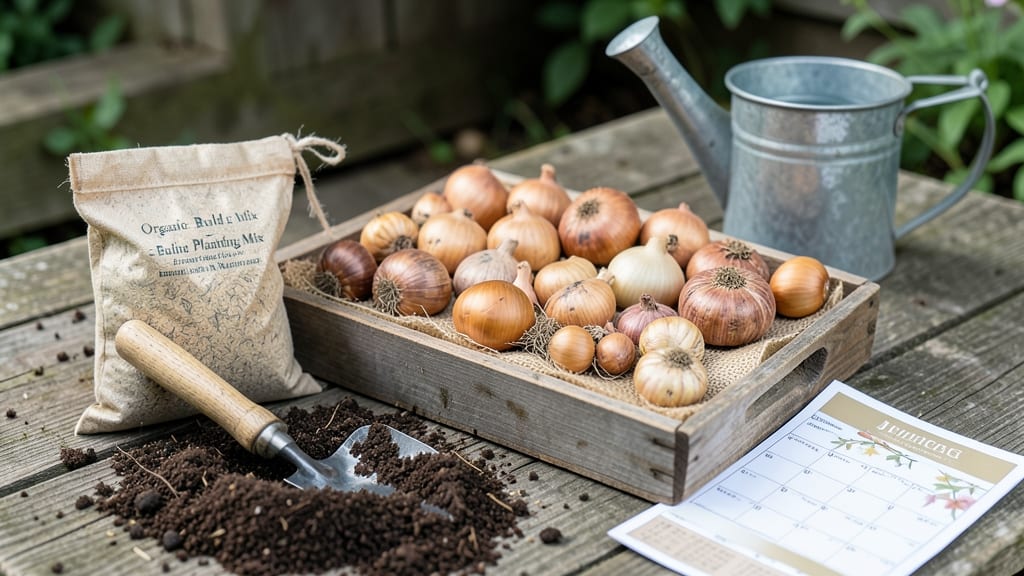
Planting bulbs in the fall is your golden ticket to a burst of color next spring—but timing it wrong could mean waiting another year for those dreamy tulips and daffodils to bloom.
If you're in USDA Zone 6a (like many gardeners in the Midwest and Northeast), the 6-8 week window before frost is critical. Too early, and your bulbs might sprout and freeze. Too late, and they won’t root deeply enough for strong spring growth.
Don’t stress—this guide breaks down the perfect planting schedule, soil prep tips, and the best bulb varieties for your zone. Whether you’re a first-time gardener or a seasoned pro, getting it right means vibrant blooms that’ll make your neighbors jealous.
Let’s dive into the exact steps to ensure your 🌱 bulbs thrive all winter long and reward you with a showstopping spring display.
Fall bulb planting schedule by USDA hardiness zones
Planting bulbs in the fall is all about timing. The key is to get them in the ground 6-8 weeks before the first hard frost—this gives roots time to establish before winter.
But the exact window varies depending on your USDA zone, soil temperature, and even local microclimates. In colder zones (like 3-5), you might plant as early as late August, while warmer zones (like 8-10) can wait until November.
Let’s break it down by zone so you can plant with confidence.
Most gardeners aim for soil temperatures between 40°F and 60°F when planting fall bulbs. This range ensures roots grow but the bulbs don’t sprout too early. Use a soil thermometer to check—if it’s still above 60°F, wait a week or two.
In Northern climates, this usually aligns with September-October, while Southern regions can plant later into November. The goal? Plant early enough for roots to establish, but not so early that bulbs rot in warm soil.
Here’s a quick reference for ideal planting months by zone. Remember, these are general guidelines—always check your local last frost date and adjust accordingly.
| USDA Zone | Ideal Planting Window | Soil Temp Goal | Notes |
|---|---|---|---|
| Zones 3-4 | Late August to early September | 40°F–50°F | Plant early—cold soil speeds root growth. |
| Zones 5-6 | Mid-September to early October | 45°F–55°F | Best for tulips, daffodils, and crocuses. |
| Zones 7-8 | October to early November | 50°F–60°F | Wait until soil cools—avoid early planting. |
| Zones 9-10 | November (early) | 55°F–65°F | Plant in cool coastal areas or high elevations. |
If you’re in a transition zone (like Zone 6b or Zone 7a), err on the side of planting later. Warmer soil can cause bulbs to sprout too early, leading to weak growth or frost damage.
For example, in Zone 7, aim for late October rather than September. And if you’re unsure? Test your soil temperature—if it’s consistently below 60°F at a depth of 4 inches, it’s time to plant.
Regional variations also play a role. Mountainous areas may have cooler soil earlier, while urban heat islands can delay planting. Check with your local cooperative extension office for hyper-local advice. They’ll know if your area has unpredictable frost dates or microclimates that affect planting.
For instance, a south-facing slope might warm up faster than a north-facing yard, so adjust accordingly.
Once you’ve nailed the timing, focus on planting depth. Most bulbs should go in 2-3 times deeper than their height.
A tulip bulb (about 2 inches tall) needs 6 inches of soil above it, while a daffodil bulb (about 3 inches tall) should be planted 8-10 inches deep. Use a bulb planter or your finger to mark the depth—this ensures consistency and prevents overcrowding.
After planting, water thoroughly to settle the soil and encourage root growth. Avoid overwatering, though—soggy soil can rot bulbs before winter. A light mulch (like straw or shredded leaves) helps insulate the soil and retain moisture.
In very cold zones (like Zone 3), add an extra 2-3 inches of mulch to protect bulbs from extreme temperatures.
One common mistake? Planting too late because the ground is still workable. If you miss the window, bulbs may not establish roots before frost, leading to poor spring blooms or no blooms at all.
Conversely, planting too early in warm soil can cause bulbs to sprout and then die in a late frost. The 6-8 week rule before frost is your best friend—stick to it, and you’ll be rewarded with
Fall bulb planting schedule by USDA hardiness zones
Planting fall bulbs at the right time ensures they establish strong roots before winter, leading to vibrant spring blooms. The 6-8 week window before your first frost is your target—this gives bulbs enough time to root without sprouting too early.
For USDA Zone 6a, that’s typically mid-September to early October, but timing shifts dramatically across zones.
In colder zones (3-5), aim for late September to early October—soil cools faster, and bulbs need time to root before freezing. Warmer zones (7-10) can plant later, even into November, since frost arrives much later.
The key is soil temperature: bulbs need temps between 40-60°F for ideal root growth.
Here’s how to align your planting with your zone for perfect bloom timing next spring:
| USDA Zone | Ideal Planting Window | Soil Temp Goal | Best Bulb Picks |
|---|---|---|---|
| Zones 3-5 | Late September–Early October | 40–50°F | Tulips, Daffodils, Crocuses |
| Zone 6a | Mid-September–Early October | 45–55°F | Alliums, Hyacinths, Snowdrops |
| Zones 7-9 | October–November | 50–60°F | Lilies, Fritillaries, Rain Lilies |
| Zone 10 | November–Early December | 55–65°F | Crinums, Nerines, Cyclamen |
Pro tip: Use a soil thermometer to confirm temps—bulbs won’t root well if soil is too warm or cold. In Zone 6a, if your soil stays above 60°F past early October, wait a week or two to avoid early sprouting.
Regional tweaks matter too. In Pacific Northwest (Zone 7-8), plant daffodils in October for early spring color, while Southern gardeners (Zone 9-10) can plant tulips as late as December—just ensure they’re in the ground before January rains arrive.
Missed the window? Don’t panic. Some bulbs, like crocuses and snowdrops, tolerate late planting, though they may bloom slightly later. For tulips, though, late planting can weaken next year’s blooms—so mark your calendar now!