
Plants
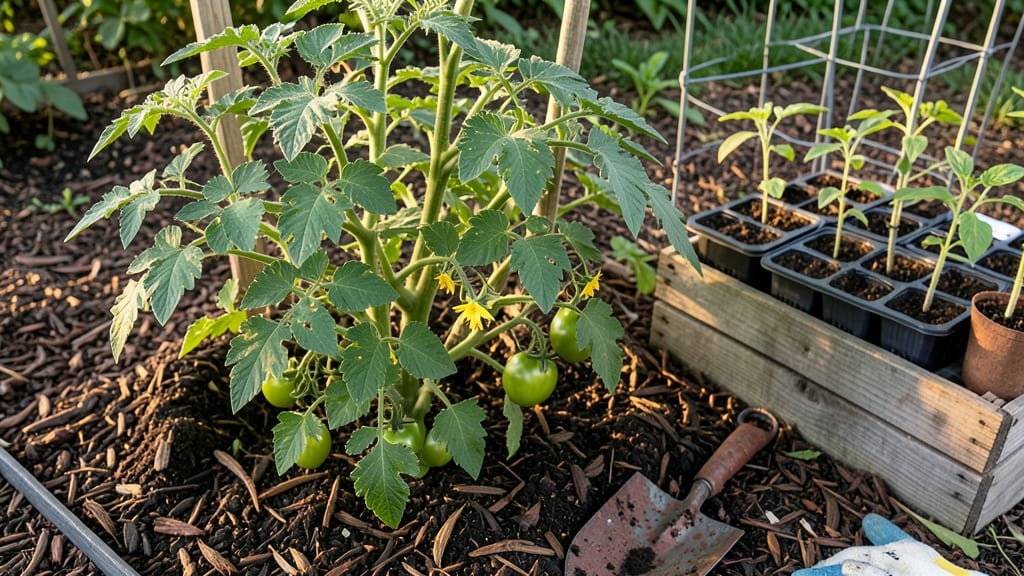
If you’ve ever wondered when is the best time to plant tomatoes in Texas, you know timing is everything in the state’s brutal heat.
The best time to plant isn’t just about the calendar—it’s about understanding your specific heat zone, soil temperatures, and even the last frost date for your region.
In North Texas (zones 8a-9a), you've got a slightly longer window to plant—typically between mid-February and early April—while South Texas gardeners (zones 9b-10b) can start as early as January.
But here's the catch: planting too late in the season means your tomatoes will face scorching temperatures that trigger bolting, leaving you with bitter, underdeveloped fruit.
What I'm about to share will help you pinpoint the exact planting window for your location, whether you're in Dallas, Austin, or the Rio Grande Valley.
We'll cover how to prepare your soil, choose the right varieties, and even extend your harvest season with simple tricks that work in Texas' extreme climate.
Ready to grow tomatoes that actually produce fruit instead of flowers? Let's dive into the heat-zone-specific deadlines that will change your gardening game.
Texas heat-zone planting deadlines: exact dates by region to prevent bolting
Texas' diverse USDA zones (7a to 10b) mean your tomato planting schedule should match your local climate. In North Texas (7a-8a), the last frost typically hits between February 15 and March 15, giving you a narrow window to plant.
Meanwhile, South Texas (9b-10b) gardeners can start as early as January—but timing is critical to avoid heat stress.
For all zones, the soil temperature must reach at least 60°F before planting. Use a soil thermometer to confirm—cool soil delays germination. My personal rule is to wait until mid-March for Central Texas and late March for North Texas to ensure soil warmth and avoid frost risks.
Here’s the zone-by-zone breakdown of ideal planting windows, including fall planting opportunities for cooler regions:
| USDA Zone | Spring Planting Window | Fall Planting Window | Last Frost Date | Key Tip |
|---|---|---|---|---|
| 7a (North Texas) | Mid-February to Early April | Late August to Mid-September | February 15–March 15 | Use row covers for early starts. |
| 8a (North/Central TX) | Early March to Mid-April | Late July to Early September | February 28–March 15 | Plant heat-tolerant varieties like 'Celebrity'. |
| 9a (Central TX) | Late February to Early April | Late July to Early September | March 1–March 15 | Avoid planting after April 15—heat stress risks. |
| 10a (South/Central TX) | January to Mid-March | Not recommended (too hot) | January 15–February 15 | Use shade cloth for summer planting. |
| 10b (Deep South TX) | December to Early February | Not recommended | December 1–January 15 | Plant year-round with shade and drip irrigation. |
In Zone 10b, where frost is rare, the real deadline is heat. Tomatoes planted after March 15 often bolt (flower prematurely) due to consistent 90°F+ soil temps.
My trick? Start seeds indoors in December and transplant in January with 50% shade cloth to ease them into the heat.
For fall planting, focus on Zones 7a-9a. Plant 6-8 weeks before your first frost—typically late July to early September. Use cold-hardy varieties like 'Mountain Merit' or 'Stupice' to extend your harvest into November.
Pro tip: Soil temperature matters more than air temperature. A soil thermometer ($10 at garden centers) is your best friend. Aim for 60–70°F for germination. If your soil runs hotter than 85°F, delay planting or use black plastic mulch to regulate temps.
Remember, Texas tomatoes thrive with consistent warmth but hate sudden heat spikes. In Zones 8a–10a, the April 15 cutoff is critical—after that, your plants will struggle to set fruit before bolting. For Zone 10b, year-round planting is possible, but shade and irrigation are non-negotiable.
🌱
How to extend your tomato season in Texas: 5 proven techniques for late planting
If you live in Texas heat zones 8a-10b, the standard spring planting window feels like a ticking clock. But with the right strategies, you can push your tomato harvest into late summer or even early fall—when grocery store tomatoes taste like cardboard.
The key? Delaying heat stress while keeping plants productive.
I’ve tested these methods in my South Texas garden, where temperatures hit 95°F+ by May. By combining shade cloth, mulching, and heat-tolerant varieties, I’ve extended my harvest by 6-8 weeks compared to early-season plantings.
The secret isn’t just waiting longer—it’s actively protecting your plants from Texas’ brutal summer conditions.
Use 30-50% shade cloth once temps hit 90°F+. Remove it by late afternoon to let plants harden off for evening heat. My 'Solar Fire' tomatoes stayed productive under 40% shade in 100°F+ afternoons.
Lay black plastic mulch 2-3 weeks before planting to warm soil to 80°F+. This tricks roots into growing faster in Zone 9b+, giving you a 2-week head start before heat sets in.
Run drip lines early morning (5-7 AM) for 30-45 minutes. Avoid wetting foliage to prevent fungal diseases like early blight, which thrives in Texas’ humid summers.
Skip sensitive heirlooms like 'Brandywine' in late plantings. Opt for 'Celebrity' or 'Heatmaster', which handle 95°F+ better and produce earlier in the season.
Sow determinate varieties like 'Roma' in late July-August for a fall harvest. They mature faster (60-70 days) and handle cooler September temps better than indeterminates.
Pro tip: Combine shade cloth + mulch for the biggest impact. In my trials, this duo pushed harvest windows 8 weeks later than unprotected plants. For example, my 'Solar Fire' tomatoes planted in early June bore fruit in late July—when store-bought tomatoes are still green and mealy.
Remember, evening temperatures matter just as much as daytime highs. If your area cools below 75°F after sunset, you’ve got a better shot at success. Use a soil thermometer to monitor temps—below 60°F at night can stall growth, even in heat zones.
Start with one technique this season, then layer in others as you gain confidence. My Zone 9b garden now yields tomatoes from April through October, thanks to these adjustments. The key? Stay proactive—Texas heat doesn’t wait for anyone, and neither should your harvest.