
Companion Plants
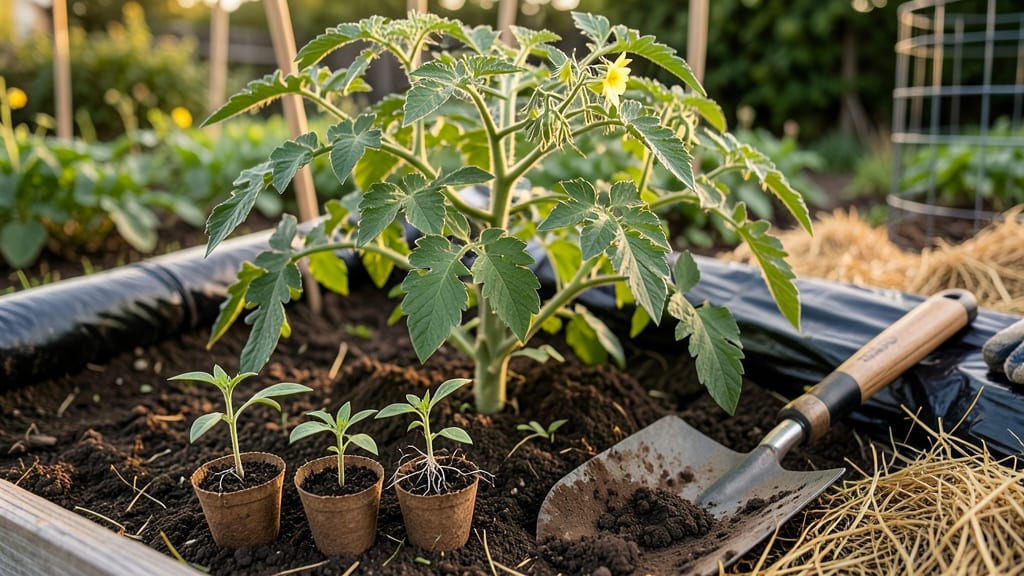
If you’ve ever wondered when should I plant tomatoes in Texas, you know timing is everything.
Watching your 🍅 tomatoes wilt under Texas’s merciless sun or struggle to ripen before the first frost can be frustrating, but with the right heat-tolerant varieties and precise planting dates, you can beat the heat and grow thriving tomatoes—even in the Lone Star State’s extreme climate.
The key to success lies in understanding Texas’s unique growing zones. Whether you’re in North Texas’s 8a or South Texas’s 10b, the last frost date and soil temperature thresholds dictate when to start seeds indoors or transplant seedlings outdoors.
For spring plantings, aim for mid-February to early May, while fall plantings should begin in late July to early September to maximize your harvest.
In this guide, I’ll break down the exact planting windows for your region, highlight the best heat-tolerant tomato varieties, and share pro tips to extend your growing season. From hardening seedlings to adjusting for urban heat islands, you’ll learn how to turn Texas’s challenges into a bountiful harvest.
Ready to grow tomatoes that thrive in the heat? Let’s dive into the strategies that will keep your plants happy—and your kitchen stocked—from May through November.
Texas tomato planting calendar: exact start dates by region
Timing your tomato planting in Texas isn’t a one-size-fits-all task—it depends on your USDA zone, last frost date, and whether you’re growing in North, Central, or South Texas.
The Lone Star State spans USDA Zones 8a-10b, meaning frost-free dates vary wildly from February 15 in North Texas to January 1 in South Texas. To avoid heat stress or wasted seedlings, match your planting window to your region’s unique climate.
For spring planting, aim to sow seeds indoors 6-8 weeks before your last frost date or transplant hardened seedlings 2-3 weeks after frost. In Texas, this typically means mid-February to early May for most regions.
However, South Texas gardeners can start as early as January thanks to milder winters, while North Texas may need to wait until late March to avoid late frosts.
Fall planting offers a second chance for tomatoes in Texas, especially in cooler North Texas regions. Start seeds indoors late July to early August for transplanting late August to early September.
This gives plants time to mature before first frost dates (typically November 15 in North Texas or December 1 in South Texas). In South Texas, you can even squeeze in a third planting in October for a late harvest.
🌱Pro Tip: Always check your soil temperature—tomatoes thrive when soil reaches at least 60°F. Use a soil thermometer or wait until nighttime temps stay above 55°F consistently.
🌡️ Texas Tomato Planting Calendar by Region
| Region | Last Frost Date | Spring Planting Window | Fall Planting Window | Soil Temp Threshold |
|---|---|---|---|---|
| North Texas (Zones 8a-8b) | Feb 15 - Mar 1 | Mar 15 - Apr 15 | Aug 15 - Sep 1 | 60°F+ |
| Central Texas (Zones 8b-9a) | Feb 1 - Feb 15 | Feb 15 - Mar 30 | Jul 30 - Aug 15 | 60°F+ |
| South Texas (Zones 9a-10b) | Jan 1 - Jan 15 | Jan 15 - Feb 28 | Jul 15 - Aug 10 | 65°F+ (warmer soil) |
| Urban Areas (e.g., Dallas, Houston, Austin) | Feb 10 - Mar 1 | Mar 1 - Apr 1 | Aug 1 - Aug 15 | 60°F+ (heat islands delay frost) |
💡 Note: Adjust for microclimates—e.g., elevated areas frost earlier, while valleys stay warmer.
If you’re growing in containers or urban gardens, account for heat islands—concrete and pavement can raise temperatures by 5-10°F, making your planting window 2-3 weeks earlier than rural areas. For example, Austin’s urban heat may allow planting 10 days before surrounding counties.
For seedlings vs. transplants, Texas gardeners often start with transplants to save time. Buy heat-tolerant seedlings from local nurseries in March for spring or July for fall. If starting from seed, use grow lights or a sunny windowsill to harden off seedlings for 10-14 days before transplanting.
🌿Urban Gardener Alert: If your city has water restrictions (like Houston or San Antonio), plan for drought-tolerant varieties and deep watering schedules to conserve resources.
Finally, don’t forget staggered planting—sow a new batch of seeds every 2 weeks to extend your harvest season. This works especially well for fall plantings, where you can enjoy tomatoes from September through November.
☀️Key Takeaway: Texas tomato success hinges on <
Best heat-tolerant tomato varieties for Texas summers
Texas summers can push temperatures beyond 90°F, making traditional tomato varieties wilt or produce bitter fruit. But don’t let the heat stop you—heat-tolerant varieties thrive in our climate, delivering sweet, juicy tomatoes even when most gardens fade.
I’ve grown these top picks in USDA Zones 8a-10b and they consistently outperform standard varieties.
Look for varieties labeled "heat-resistant" or "disease-tolerant"—these traits are critical in Texas. 'Heatmaster' and 'Solar Fire' are my go-to choices for their ability to handle 100°F+ days while still producing heavy yields. These aren’t just survivors; they’re performers that turn your backyard into a tomato powerhouse.
🍅
'Heatmaster' is my top recommendation for North and Central Texas because it handles heat stress better than most varieties. It’s a determinate type, meaning it produces fruit in clusters and stops growing once it hits maturity—perfect for container gardens or small spaces. The fruit stays firm even in 105°F+ heat, and the flavor remains sweet.
For South Texas, where summers are longer and more intense, 'Solar Fire' is unbeatable. This indeterminate variety keeps producing until frost, giving you a prolonged harvest. It’s also resistant to Fusarium and Verticillium wilt, two common Texas soil-borne diseases.
I’ve seen 'Solar Fire' plants still fruiting in October when other varieties have given up.
If you’re growing in urban areas with limited space, 'Mountain Merit' is a compact disease-resistant option that thrives in containers. It’s not as heat-tolerant as the top two, but it’s a reliable choice for balcony gardens or patios where shade can be an issue during peak afternoon heat.
🌱