Plants
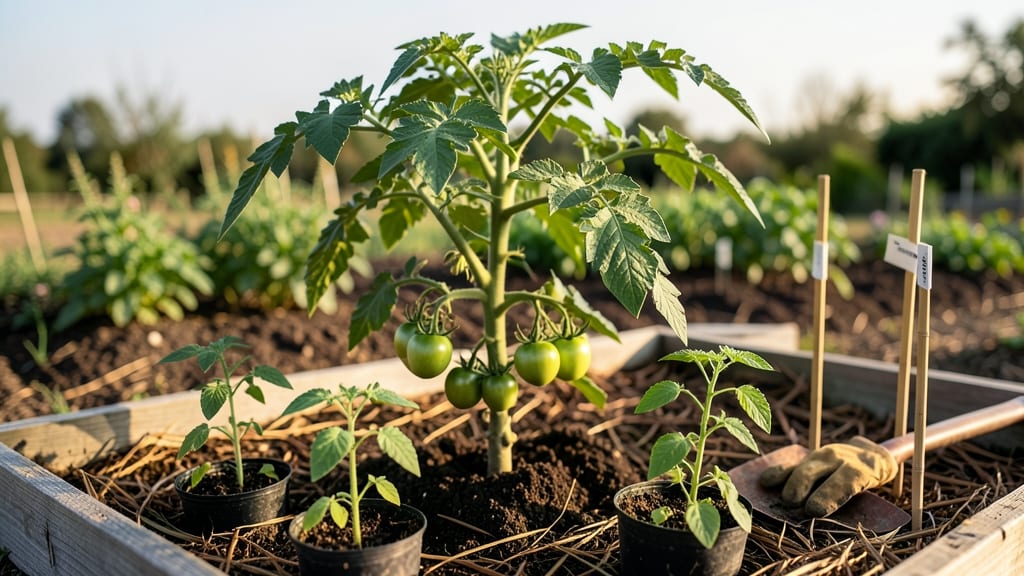
Timing when do you plant tomatoes in Alabama wrong could mean the difference between a bumper crop and wasted effort—especially when frost dates vary from 7b to 8b zones.
Whether you're in North Alabama's cooler hills or the Gulf Coast's humid heat, getting those seeds in the ground at the right moment is the key to avoiding stunted plants or sun-scorched fruit.
Most gardeners in 7b-8b zones know the golden window for spring planting is mid-March to early May, but here's the catch: coastal areas like Mobile can start 2-3 weeks earlier than Huntsville, where late frosts linger until April.
Then there's the fall option—late July to early August—for a second harvest before winter sets in.
I'll break down exactly when to start seeds indoors (for northern counties) versus transplanting outdoors (central/southern regions), plus how to adjust for Alabama's clay-heavy soils and heat spikes. No more guessing—just science-backed timing to maximize your yield.
Ready to turn your backyard into a tomato powerhouse? Let's dive into the county-specific schedule that'll have you harvesting from June through October—no matter where you are in the state.
Alabama’s tomato planting zones by county: heat Zone map for optimal germination and growth
Alabama’s diverse climate—from the cooler Appalachian foothills to the humid Gulf Coast—means tomato planting times vary dramatically. Whether you’re in USDA Zone 7b (north) or Zone 8b (south), timing your tomato seeds or seedlings correctly is critical for avoiding frost damage or heat stress.
Let’s break down the best planting windows by region to ensure your tomato plants thrive all season.
Northern Alabama counties like Madison, Marshall, and DeKalb experience later last frosts (often mid-April), while southern counties like Mobile, Baldwin, and Escambia can safely plant as early as mid-March.
Central Alabama (e.g., Jefferson, Shelby, and Tuscaloosa) falls somewhere in between, with ideal planting windows spanning late March to early April. Understanding these microclimates helps you choose between early spring or late summer plantings for fall harvests.
Here’s a quick reference for Alabama’s tomato planting zones, organized by region and last frost dates. Use this to align your planting schedule with your local climate for maximum yield and fruit quality.
| Region | USDA Zone | Last Frost Date | Best Planting Window | Fall Planting Window |
|---|---|---|---|---|
| Northern Alabama (e.g., Madison, Marshall, DeKalb) | 7b | Mid-April | Late April - Early May | Late July - Early August |
| Central Alabama (e.g., Jefferson, Shelby, Tuscaloosa) | 7b-8a | Late March - Early April | Early April - Mid-April | Early July - Mid-July |
| Southern Alabama (e.g., Mobile, Baldwin, Escambia) | 8a-8b | Mid-March | Mid-March - Early April | Late June - Early July |
| Coastal Alabama (e.g., Mobile Bay, Dauphin Island) | 8b | Early March | Early March - Late March | Mid-June - Late June |
🌱
For northern Alabama, where frosts linger longer, focus on transplanting seedlings after April 15 to avoid cold snaps.
In central Alabama, you can start direct-sowing seeds as early as mid-March under protective covers, but wait until soil temperatures hit 60°F for optimal germination. Southern and coastal regions benefit from earlier plantings, often as soon as mid-March, but be mindful of humidity-related diseases like early blight.
If you’re aiming for a fall harvest, Alabama’s late summer plantings (July-August) work beautifully. This strategy lets you enjoy tomatoes when summer heat has eased, and pests like hornworms are less aggressive.
For example, Baldwin County gardeners often plant heat-tolerant varieties like ‘Celebrity’ or ‘Solar Fire’ in late July for a September-October bounty.
Pro tip: Use black plastic mulch to warm soil faster in cooler regions, or shade cloth in southern counties to protect seedlings from intense afternoon sun. Both tricks help extend your planting window and improve germination rates.
Alabama’s microclimates also mean elevation plays a role. Mountainous areas like Jackson County (Zone 7a) may need to wait until May 1 for spring plantings, while low-lying valleys in Autauga County (Zone 8a) can start two weeks earlier.
Always check your local frost dates—the Alabama Cooperative Extension System provides county-specific data for precise planning.
For container gardening, adjust your timeline slightly. Potted tomatoes warm up faster, so you can plant 1-2 weeks earlier than in-ground varieties. However, ensure your containers have drainage holes and use lightweight potting mix to prevent root rot in Alabama’s humid summers.
🌿
Remember, tomatoes thrive on consistency. Whether you’re in Zone 7b or Zone 8b, align your planting with soil temperatures, moisture levels, and pest risks.
Next, we’ll dive into a step-by-step planting schedule tailored to Alabama’s regions—including when to start seeds indoors and how to harden off seedlings for outdoor success.
Step-by-step planting schedule: when to start seeds indoors vs. transplanting outdoors by region
Alabama’s diverse climate means your tomato planting strategy should match your county’s last frost date and heat tolerance. Northern counties like Madison or Marshall need an earlier start indoors, while southern regions like Mobile or Baldwin can direct-sow later.
Here’s your region-specific timeline to avoid frost damage or heat stress.
For northern Alabama (USDA Zones 7a-7b), start seeds indoors 6-8 weeks before your last frost date (typically mid-March). This gives seedlings a head start before transplanting outdoors after April 15.
Southern counties (Zones 7b-8b) can skip indoor starting and direct-sow seeds after April 1 or transplant seedlings by May 1.
🌱
📅 Alabama Tomato Planting Timeline
- 6-8 Weeks Before Last Frost (Northern Counties): Start seeds indoors under grow lights (or in a sunny window). Use seedling trays with well-draining soil.
- 3-4 Weeks Before Transplanting: Harden off seedlings by placing them outdoors for 2-3 hours daily, gradually increasing exposure.
- After Last Frost (Mid-March to Early April): Transplant seedlings outdoors after soil warms to 60°F. Bury stems 1/3 deep to encourage root growth.
- April 15-May 1 (Northern Counties): Direct-sow seeds 1/4 inch deep, 2-3 seeds per hole, spaced 18-24 inches apart.
- May 1-June 1 (Southern Counties): Transplant seedlings or direct-sow for summer/fall harvests. Use black plastic mulch to warm soil faster.
Pro tip: Use burlap sacks or shade cloth to protect young seedlings from late spring frosts, which can still hit northern Alabama into early April. Monitor your local Alabama Cooperative Extension frost alerts for real-time updates.
For fall harvests, plant heat-tolerant varieties like ‘Celebrity’ or ‘Solar Fire’ in late July to early August. These varieties thrive in Alabama’s 90°F+ summers and produce fruit before the first frost in November.
🌿
Remember: Soil temperature matters more than air temperature. Use a soil thermometer to confirm it’s at least 60°F before planting. Cold soil slows germination and invites damping-off disease in seedlings.