
Plants
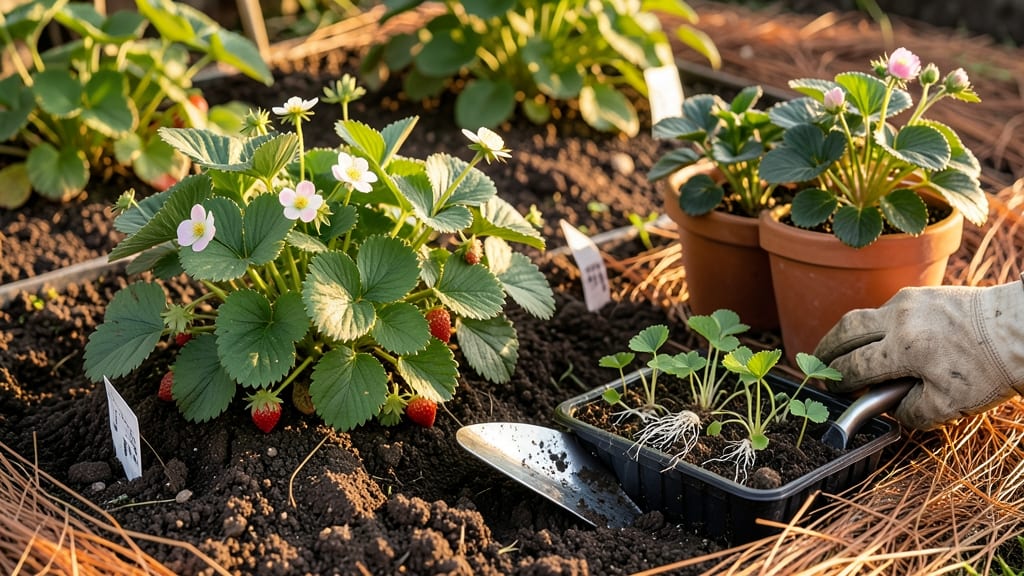
If you’re asking "when is the best time to plant strawberries in Texas", the answer isn’t one-size-fits-all—because Texas’s brutal summers and unpredictable freezes turn timing into a high-stakes game.
Plant too early, and your 🍓 plants will wilt under 100°F+ heat; too late, and a surprise frost could end your harvest before it starts.
What makes Texas strawberry gardening tricky is the state’s three distinct heat zones, each with its own frost dates and microclimates. Whether you’re in North Texas (Zone 7-8), Central Texas (Zone 8-9), or South Texas (Zone 9-10), the optimal window shifts dramatically—sometimes by months.
I’ll break down the exact months to plant for each region, so you can avoid costly mistakes and maximize your berry yield.
Beyond timing, Texas’s alkaline soils and scorching summers demand smart prep work. From choosing heat-tolerant varieties to mulching strategies that keep roots cool, the right approach can mean the difference between a thriving patch and a sad, sunburned disappointment.
Let’s dive into the secrets Texas gardeners use to turn their strawberry dreams into reality.
Ready to grow bigger, sweeter berries? You’ll also discover how to spot common pitfalls—like overwatering in summer or ignoring frost warnings—and how to adjust your planting schedule if Mother Nature throws a curveball. Your first harvest could be just 60 days away—if you plant at the perfect moment.
Texas heat-Zone planting schedule: optimal months by region
Texas’s diverse climate means your strawberry planting window depends heavily on your USDA hardiness zone. North Texas (Zones 7-8) faces harsher winters, while South Texas (Zones 9-10) can plant later. Fall planting is ideal for most regions, but spring works too—if you time it right.
Let’s break down the best months for each zone to avoid heat stress or frost damage.
For North Texas (Zones 7-8), like Dallas or Fort Worth, aim for October through November for fall planting. This gives roots time to establish before winter. Spring planting should start in February, once soil temperatures hit 50°F.
Late spring plantings (March-April) risk summer heat before fruiting. In Central Texas (Zones 8-9), like Austin or San Antonio, expand your window to September through November for fall and January through early March for spring.
South Texas (Zones 9-10), including Houston and the Rio Grande Valley, enjoys a longer growing season. Plant in September-October for fall harvests or January-February for spring. Avoid summer planting—100°F+ soil temperatures will shock young plants. Microclimates matter too: elevated areas freeze faster, while urban heat islands stay warmer longer.
🌱
| Region | USDA Zone | Fall Planting | Spring Planting | Key Tip |
|---|---|---|---|---|
| North Texas | 7-8 | October-November | February | Soil must be 50°F+ |
| Central Texas | 8-9 | September-November | January-March | Avoid April heatwaves |
| South Texas | 9-10 | September-October | January-February | Never plant in summer |
Everbearing varieties like Albion or Seascape thrive in Texas’s heat but need consistent moisture. June-bearing types, such as Chandler, produce one big harvest—perfect for canning—but require cooler spring temperatures.
If you’re in a transition zone (like the Hill Country), consider row covers for early spring plantings to protect from late frosts.
Pro tip: Use straw mulch (3-4 inches) to regulate soil temperature. In Zone 7, this can add 2-3°F warmth to roots during winter. For Zone 10, shade cloth (30-50%) in peak summer prevents berry sunburn.
Always plant crowns just above soil level—burying them causes rot in Texas’s humid summers.
🌡️
Monitor your local first frost date (usually November-December in North Texas) and last frost date (February-March in South Texas). Planting 6-8 weeks before the first frost gives roots time to anchor.
In Central Texas, where frosts are unpredictable, October is safest. For container growing, move pots to shaded areas during 100°F+ days—even heat-tolerant varieties struggle.
Texas gardeners often ask: “Can I plant strawberries in summer?” The answer is a firm no. Even drought-resistant varieties like Fort Laramie will bolt (send up flowers) under consistent 90°F+ temps, reducing fruit quality.
Instead, plant in fall for a spring harvest or spring for summer berries—just beat the heatwave.
🍓
Texas heat-Zone planting schedule: optimal months by region
Texas’s diverse climate means your strawberry planting timeline depends heavily on where you live. North Texas (Zones 7-8) has cooler winters and hotter summers, while Central Texas (Zones 8-9) and South Texas (Zones 9-10) experience milder winters and intense heat.
For all regions, fall planting (September-October) is ideal—it lets roots establish before winter, while spring planting (February-March) risks heat stress.
Microclimates matter too! If you live in a valley or low-lying area, frost lingers longer, so plant 2-3 weeks later than the average schedule. Conversely, hilltops or urban heat islands warm up faster, allowing earlier planting.
Always check your local average last frost date (typically mid-March in North Texas and late February in South Texas).
| Region | Best Planting Window | Key Consideration |
|---|---|---|
| North Texas (Zones 7-8) | September 15–October 15 (Fall) OR February 15–March 15 (Spring) | Soil temps below 50°F can stunt growth; mulch heavily in winter. |
| Central Texas (Zones 8-9) | September 1–October 10 (Fall) OR February 1–March 10 (Spring) | Spring planting risks 100°F+ soil—use shade cloth until roots establish. |
| South Texas (Zones 9-10) | August 15–September 15 (Fall) OR January 15–February 15 (Spring) | Year-round growth possible; focus on fall harvest before summer heat. |
For everbearing varieties (like Albion or Seascape), fall planting is non-negotiable—they need 6-8 weeks of cool weather to set fruit. June-bearing types (e.g., Chandler) tolerate wider windows but thrive with spring planting for summer harvests.
Pro tip: Use black plastic mulch in spring to warm soil faster and extend the season.
Texas’s unpredictable freezes (even in Zone 9!) mean protecting young plants is critical. If a 28°F frost warning hits, cover beds with row covers or frost cloth. In South Texas, where freezes are rare, focus instead on shade during summer afternoons to prevent sunscald on berries.
Timing isn’t just about months—it’s about soil temperature. Strawberries need soil at 55–75°F to root well. Use a soil thermometer to check: if it’s below 50°F, wait. In North Texas, this often means delaying until mid-March for spring plantings, even if calendar dates suggest earlier.
Don’t overlook container gardening for urban Texans—it lets you plant 2-4 weeks earlier in spring since pots warm up faster. Just ensure containers have drainage holes and use lightweight potting mix to avoid root rot in summer’s relentless heat. 🌱