
Plants
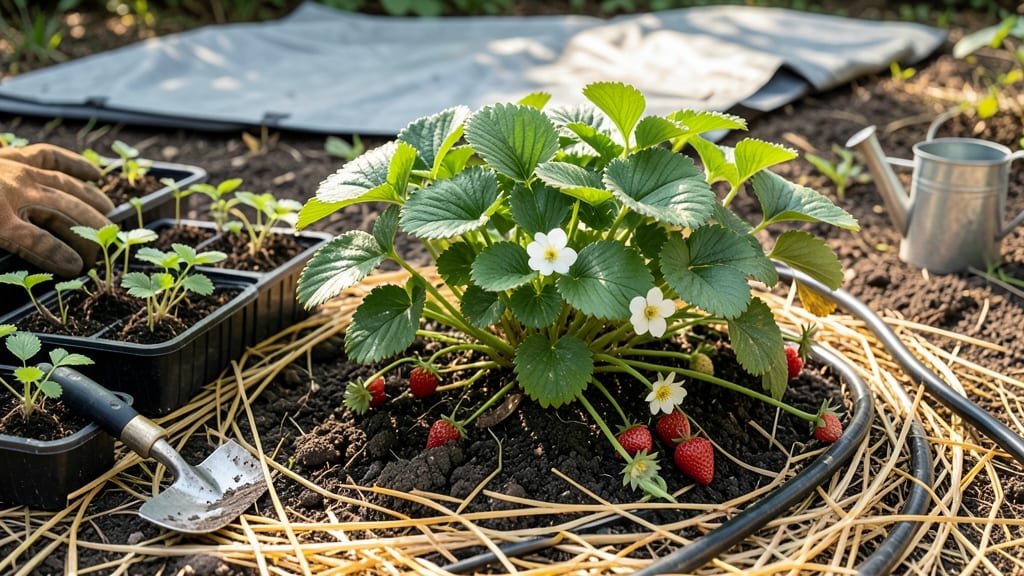
When is the best time to plant strawberries in Florida? Timing your strawberry 🍓 plantings in Florida isn’t just about the calendar—it’s about beating the heat and working with the state’s unique climate challenges. Unlike northern gardeners, you don’t have to worry about frost, but you do need to account for chill hours and summer’s relentless sun. Plant too early, and your berries might bolt; too late, and you’ll miss peak harvest windows. The secret? Strategic fall and early-spring plantings tailored to your specific heat zone.
Most Florida gardeners assume they can plant strawberries anytime—but that’s a recipe for disappointment. The best time to plant strawberries in Florida actually depends on whether you’re in North Florida’s cooler Zone 8a or the tropical South.
Everbearing varieties like Chandler thrive with fall plantings, while June-bearing types need cooler winter months to set fruit. Let’s break down the exact windows that’ll give you the juiciest, most abundant harvests—without the guesswork.
Here’s the game-changer: Florida’s lack of winter chill means you’ll need to trick your plants into dormancy if you’re growing June-bearing varieties. But don’t stress—we’ll cover simple workarounds like row covers and shade cloth that actually work in our warm climate.
Whether you’re a first-time gardener or a seasoned pro, these proven strategies will help you avoid the most common mistakes Florida gardeners make when planting strawberries.
Ready to transform your garden into a strawberry patch that produces year-round harvests**? Let’s dive into the exact months, soil prep tips, and heat-zone-specific advice that’ll set you up for success—no matter where you are in the Sunshine State.
Florida’s strawberry planting windows by heat Zone: exact months for success
Florida’s three USDA heat zones (8A, 9A, 10A) create dramatic differences in strawberry planting success. Unlike northern climates, Florida’s lack of winter chill forces gardeners to time plantings carefully to avoid summer heat stress.
The key is planting when temperatures stay below 85°F—typically in fall or early spring—while ensuring plants get enough chill hours (more on this later).
In Zone 8A (North Florida), where rare frosts can occur, your window is narrower. For Zones 9A and 10A (Central/South Florida), you’ve got more flexibility—but summer plantings often fail due to heat stress and fungal diseases.
Let’s break down the exact months that work best for each zone, plus pro tips to extend your harvest season.
🌱 Visual Element: Comparison Table
| Heat Zone | Best Planting Window | Avoid Planting | Harvest Window | Key Strategy |
|---|---|---|---|---|
| Zone 8A (North FL) | Late September–November (fall) or January–February (spring) | March–May (summer heat) | February–April (spring) & September–November (fall) | Use row covers for frost protection |
| Zone 9A (Central FL) | August–September (early fall) or December–January (winter) | May–August (peak heat) | January–March & September–November | Plant everbearing varieties for staggered harvests |
| Zone 10A (South FL) | July–August (late summer) or November–December (winter) | April–June (extreme heat) | February–April & October–December | Use shade cloth in summer months |
Notice how Zone 10A can plant in July–August? That’s because South Florida’s higher humidity and less intense heat create a microclimate where late-summer plantings can thrive—if you provide afternoon shade and consistent moisture.
Meanwhile, Zone 8A gardeners must time plantings to avoid December frosts, which can damage young plants.
For all zones, fall plantings are my top recommendation. Why? Cooler temperatures reduce pest pressure (like spider mites) and disease risk (like gray mold). Plus, fall-planted strawberries often fruit in winter, giving you an early-season harvest before summer heat sets in.
Pro tip: In Zone 9A/10A, plant everbearing varieties like Sweet Charlie or Seascape for year-round production.
If you’re planting in spring, act early. In Zone 8A, aim for January–February to avoid March heat waves. In Zones 9A/10A, December–January is ideal. The goal is to get plants established before temperatures hit 85°F, which stresses strawberries and reduces fruiting.
I’ve seen gardeners in Orlando (Zone 9A) plant in March and end up with tiny, underdeveloped berries—don’t make that mistake!
One game-changer for Florida gardeners is succession planting. Instead of one big planting, try two smaller batches—one in fall and one in winter—to stagger your harvest. For example, plant half your bed in September (Zone 9A) and the other half in December.
This way, you’ll have berries from January through April and again in September–November. It’s like having two harvest seasons in one year!
Finally, soil temperature matters just as much as air temperature. Strawberry roots thrive when soil stays between 60–75°F. Use a soil thermometer to check before planting—if it’s above 80°F, wait a few weeks.
In South Florida (Zone 10A), soil can stay too warm year-round, so raised beds with compost help regulate temperature and improve drainage.
Ready to plant? Grab your bare-root plants or plugs, amend your soil with compost, and mark your calendar for the best window in your zone. With the right timing, you’ll be feasting on homegrown strawberries in just 60–90 days—no frost required! 🍓
How to meet Florida strawberries’ chill-hour needs without a cold climate
Florida’s frost-free winters leave strawberry growers with a unique challenge: most strawberry varieties need 200–400 chill hours (temperatures between 32–45°F) to trigger fruiting. Without natural cold snaps, you’ll need creative solutions to coax your plants into producing berries.
The good news? Florida gardeners can still grow everbearing varieties that produce fruit multiple times per year.
Most June-bearing strawberries (like Chandler) won’t thrive in Florida’s heat without chill hours, so focus on everbearing types like Sweet Charlie or Seascape. These varieties produce smaller harvests year-round but adapt better to Florida’s climate.
For June-bearing varieties, you’ll need to simulate dormancy using row covers or shade cloth during cooler months.
Here’s how to provide the chill hours your strawberries need without relying on Florida’s rare cold snaps:
- Use Row Covers for Forced Dormancy
Apply floating row covers in late fall (October–November) to lower nighttime temperatures by 5–10°F. This mimics winter chill without freezing your plants. Remove covers in early spring (February) to encourage fruiting.
- Plant in Shaded Areas for Natural Cooling
Position beds under partial shade (30–50% coverage) using shade cloth or nearby trees. This reduces soil and air temps by 10–15°F during peak heat, helping plants conserve energy for fruiting.
- Choose Everbearing Varieties
Skip June-bearing types like Chandler (needs 400+ chill hours) and opt for Sweet Charlie or Seascape, which produce fruit with 0–200 chill hours. These varieties thrive in Florida’s heat and yield smaller but consistent harvests year-round.
- Mulch Heavily to Regulate Soil Temps
Apply 3–4 inches of straw mulch in late summer to insulate roots. This keeps soil temps stable and prevents heat stress, which can delay fruiting or cause blossom drop.
- Water Strategically to Trigger Dormancy
Reduce watering in late fall (October–November) to stress plants slightly. This mimics natural drought conditions, encouraging plants to enter a semi-dormant state and accumulate chill hours faster.
For June-bearing varieties, you can also try a two-year planting cycle: Plant in fall (September–October), let them grow vegetatively through winter, then harvest in spring (March–May).
By year two, they’ll produce fruit more reliably. Everbearing varieties, however, are your best bet for year-round harvests with minimal fuss.
Remember: Florida’s humidity means fungal diseases like gray mold are always a risk. Space plants 12–18 inches apart for airflow, and always water at soil level (not overhead) to keep berries dry. With these adjustments, you can enjoy homegrown strawberries even without a cold winter! 🌱