
Plants
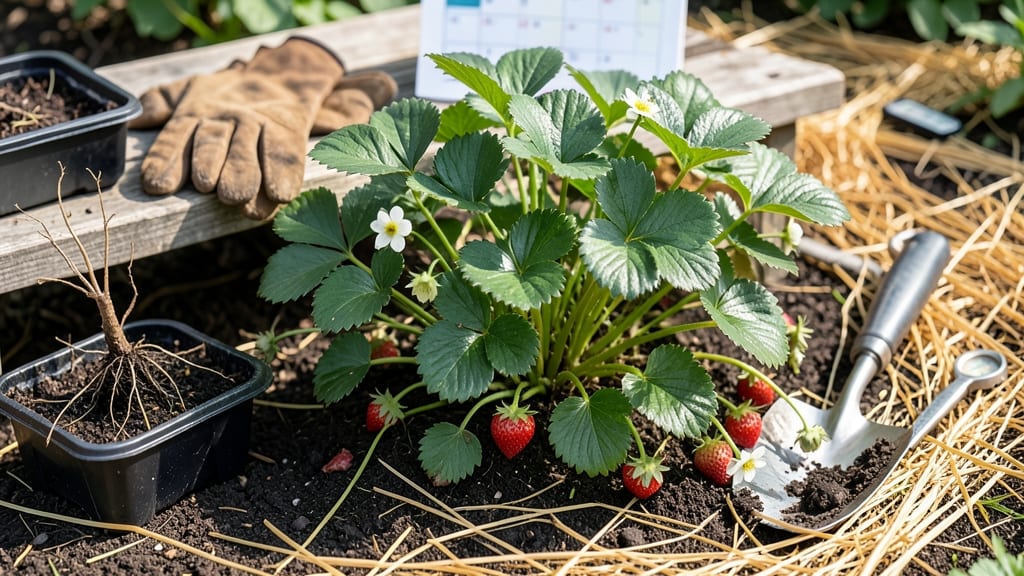
Timing your strawberry planting in Kansas right can mean the difference between a garden full of sweet, juicy 🍓 berries and a season of disappointment. With Kansas' varying frost dates and chill-hour requirements, getting it wrong isn't just frustrating—it's a wasted opportunity for homegrown treats.
Most gardeners in Kansas know the general rule: plant in late March to early April for spring harvests or August to early September for fall yields. But here's the catch—your exact timing depends on your USDA zone (5b-7a), local microclimates, and even the variety you choose.
In this guide, I'll break down the precise planting windows for Kansas' most popular strawberry varieties, including how to adjust for early frosts in northern regions or late heatwaves in the south. You'll discover the best preparation tips to ensure your plants thrive from day one.
Whether you're a first-time gardener or a seasoned grower, these insights will help you maximize your harvest—because in Kansas, getting the timing right is the key to strawberry success.
Kansas strawberry planting timeline: chill-hours & frost-free date guide
Timing is everything when planting strawberries in Kansas. The state’s USDA Zones 5b-7a and 300-1,000+ chill-hours mean you must align planting with frost-free dates and variety types. June-bearing varieties need 600-1,000 chill-hours, while everbearing types thrive with 300-600 hours—critical for Kansas’ varied microclimates.
Most Kansas gardeners plant strawberries in late March to early April for spring harvests or August to early September for fall-bearing varieties. However, northern Kansas (e.g., Wichita) often waits until mid-April to avoid late frosts, while southern regions (e.g., Kansas City) can start as early as late February under protection.
| Planting Window | Variety Type | Chill-Hours Needed | Last Frost Date (Avg.) | Harvest Months |
|---|---|---|---|---|
| Late March - Early April | June-Bearing | 600-1,000 | March 15 - April 15 | June - July |
| August - Early September | Everbearing | 300-600 | October 15 (First Frost) | September - October |
| Late April (under cover) | Day-Neutral | 300+ | N/A (Extended Season) | June - October |
For northern Kansas, where frosts linger until mid-April, opt for everbearing varieties like 'Seascape' or 'Chandler' planted in late August. These tolerate 300-400 chill-hours and produce fruit in fall and spring. Meanwhile, southern Kansas gardeners can push June-bearing 'Jewel' strawberries into the ground by early March if using row covers.
Use local frost data from the Kansas State University Extension to fine-tune timing. For example, Topeka’s last frost averages April 1, while Wichita’s is April 10. Planting too early risks frost damage to tender new growth, while waiting too long may delay harvest windows.
Pro tip: Bare-root strawberries planted in fall (August-September) establish roots before winter, giving them a head start in spring. Soak roots for 1-2 hours before planting to rehydrate them. For potted plants, transplant anytime soil isn’t frozen, but spring planting yields the best first-year harvests.
Extend your Kansas strawberry season by using season extenders like hoop houses or low tunnels. These protect early spring plantings from late frosts (common in March-April) and fall plantings from early freezes (as early as October 15 in northern regions).
Always check soil temperature—strawberries need 45°F+ soil to thrive. Use a soil thermometer to confirm readiness. In cool, wet springs (like 2022’s in Kansas), delay planting until soil warms to avoid rot and fungal diseases.
Best strawberry varieties for Kansas gardens & their planting windows
Choosing the right strawberry variety for Kansas is key to success, as some thrive in spring planting while others excel in fall planting.
The state’s USDA Zones 5b-7a and chill-hour needs (300–1,000+ hours) demand careful selection. June-bearing varieties like 'Jewel' deliver one massive harvest but need precise timing, while everbearing types like 'Chandler' produce fruit in two seasons with flexible planting.
For northern Kansas (Zones 5b-6a), prioritize cold-hardy varieties that tolerate late frosts and shorter growing seasons. Southern Kansas (Zones 6b-7a) can handle day-neutral varieties like 'Seascape', which produce fruit continuously when planted in early spring or fall.
Always check your local chill-hour requirements—most Kansas varieties need 500–1,000 hours below 45°F for optimal fruiting.
| Variety | Type | Best Planting Time | Chill Hours Needed | Yield |
|---|---|---|---|---|
| Jewel | June-bearing | Late March–Early April | 600–800 hrs | High (one season) |
| Chandler | Everbearing | Spring or Fall | 500–700 hrs | Moderate (two seasons) |
| Seascape | Day-neutral | Early Spring or Fall | 300–500 hrs | Continuous |
| Honeoye | June-bearing | Late March–Early April | 700–900 hrs | Very High |
| Albion | Everbearing | Spring or Fall | 400–600 hrs | Moderate (two seasons) |
If you’re in Wichita or southern Kansas, day-neutral varieties like Seascape are ideal because they produce fruit throughout the season, even in hotter summers. In contrast, June-bearing varieties such as Honeoye are better suited for northern Kansas where cooler temperatures align with their 60–70-day harvest window.
Always buy bare-root plants in early spring or potted plants in fall for best results.
For fall planting, aim for August–early September to give roots time to establish before winter dormancy. Use black plastic mulch to warm soil and extend the season.
Everbearing varieties like Chandler reward patience with two harvests per year—one in early summer and another in fall—making them a favorite for Kansas gardeners.
Pro tip: Test your soil’s pH (5.5–6.5) before planting. Kansas’ calcareous soils often need sulfur or peat moss to acidify. Amend beds with compost and well-rotted manure to improve drainage and fertility. Mulch heavily with straw to protect berries from bird damage and retain moisture during Kansas’ dry spells.
Remember, strawberries are perennial in Kansas, meaning they’ll return for 3–5 years if cared for properly. Rotate crops annually to prevent soil-borne diseases like verticillium wilt. With the right variety and timing, you’ll enjoy homegrown strawberries from June through October—no grocery store can compete with that! 🍓