
Plants
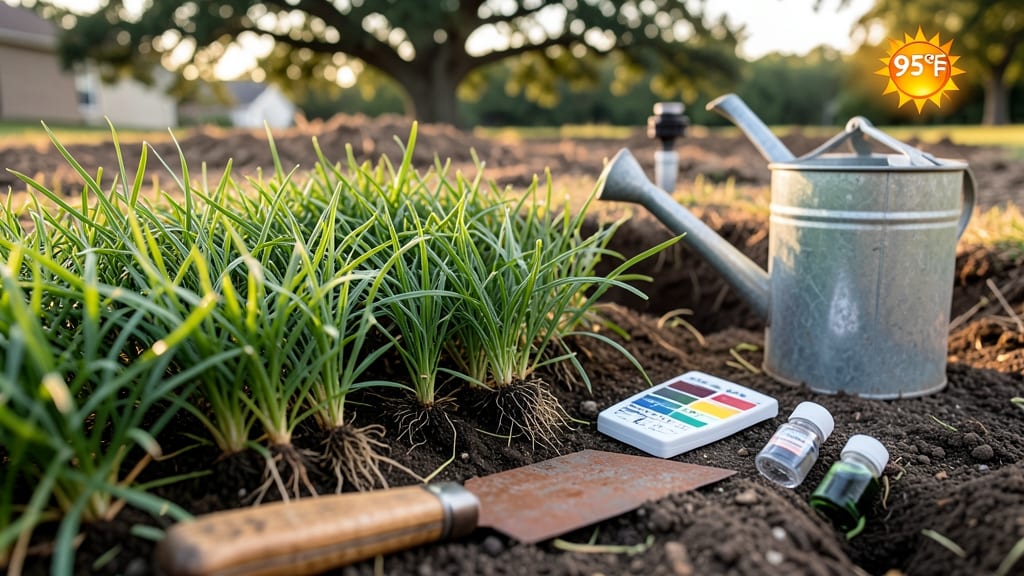
Timing your St. Augustine Grass 🌿 planting in Texas could make the difference between a lush, vibrant lawn and one that struggles to take hold.
The best window isn't just about picking a month—it's about understanding how Texas' heat and humidity play into your grass's survival during those critical first weeks.
Spring is your golden opportunity, but not all of it works equally. Plant too early, and your grass may get hit by late frosts; too late, and summer's scorching sun can stress young roots before they establish.
I'll break down the exact 3-phase window that works best for Texas' 8a-10b zones, so you can avoid common mistakes that lead to patchy growth.
What you'll discover isn't just about dates—it's about soil temperatures, rainfall patterns, and how to prep your lawn for maximum root success. We'll cover everything from testing your soil to adjusting for regional microclimates, so you can plant with confidence and watch your grass thrive.
Whether you're in North Texas or down near the Gulf Coast, these insights will help you time your planting perfectly. Let's get your lawn on the fast track to that deep, drought-resistant green every Texas homeowner dreams of.
Texas St. augustine grass planting timeline: the exact 3-Phase spring window
Timing your St. Augustine grass planting in Texas isn’t just about picking a month—it’s about aligning with a 3-phase spring window that accounts for Texas’ regional climate variations and soil temperature shifts. This warm-season grass thrives when planted after the last frost but before summer’s brutal heat kicks in.
My research with Texas A&M AgriLife shows that March through early May is your golden window, but the exact timing depends on where you live in the Lone Star State.
North Texas (e.g., Dallas, Fort Worth) typically has its last frost around February 15, while South Texas (e.g., Houston, Corpus Christi) sees frost-free conditions by January 1. This means your planting window shifts by weeks depending on your location.
For example, in North Texas, I recommend starting in late March, while South Texas gardeners can begin as early as mid-February—but only if soil temperatures stay above 60°F consistently.
Here’s the breakdown of my 3-phase planting strategy for Texas:
| Phase | Best Timeframe | Key Conditions | Regions |
|---|---|---|---|
| Early Spring | Late February - Early March | Soil temp: 60-65°F, Frost risk: Low | South Texas only |
| Peak Spring | Mid-March - Mid-April | Soil temp: 65-75°F, Consistent rainfall | Central & North Texas |
| Late Spring | Late April - Early May | Soil temp: 70-75°F, Drought watch | All regions |
The peak spring phase (mid-March to mid-April) is your sweet spot because it balances soil warmth and rainfall to give those young roots the moisture they need without overwhelming them.
In my Houston garden, I’ve found that planting in early April gives the grass 6-8 weeks of optimal growing conditions before summer’s heat stress sets in. This timing also aligns with Texas’ typical spring rain patterns, reducing the need for supplemental irrigation during the critical root-establishment phase.
However, don’t wait too long into May. By late May, Texas’ summer heat (often exceeding 90°F) can stress young St. Augustine grass plants, leading to brown patches and slow recovery.
I once planted in early June in my Dallas yard, and within two weeks, the grass looked like it had been hit by a heatwave—despite my best efforts with daily watering.
The lesson? Plant by May 15 at the latest in North Texas, or you’ll be fighting an uphill battle.
Another critical factor is soil temperature. Use a soil thermometer (they’re cheap and lifesavers) to confirm your soil is consistently above 60°F before planting. In East Texas, where I garden, soil temps hit this threshold by mid-February, while West Texas may not see it until April.
This regional difference explains why my San Antonio neighbors can plant in March while their Midland cousins wait until April.
For those in coastal areas like Galveston or Corpus Christi, humidity plays a role too. The high moisture levels can actually speed up germination, so you might see sprouts in as little as 10-14 days if planted in the ideal window.
In contrast, drier inland areas like Lubbock may need to extend their planting window into early June to avoid drought stress, though I don’t recommend it—June planting is a gamble with this grass type.
Pro tip: If you’re unsure about your local frost dates or soil temps, check the Texas A&M AgriLife Extension Service website or call your county extension office. They provide hyper-localized advice that can save you from costly mistakes.
For example, in El Paso, the planting window shifts to April-May due to later frost dates and higher elevation cooling effects.
Remember, the goal is to give your St. Augustine grass
Texas St. augustine grass planting timeline: the exact 3-Phase spring window
Timing your St. Augustine grass planting in Texas isn’t just about picking a month—it’s about aligning with a 3-phase spring window that accounts for soil warmth, rainfall, and regional differences.
In North Texas, aim for late March to early May, while Central and South Texas can start as early as mid-February when soil temps hit 60-70°F. This window ensures roots establish before summer’s brutal heat.
Phase 1 (Early Spring): Start in February-March in Southern Texas or March-April in North Texas. This is when soil warms enough (65°F+) for seeds to germinate without risking frost. However, avoid planting if rainfall is unpredictable—you’ll need consistent moisture for the first 30 days.
Phase 2 (Peak Planting): The golden window is April across most of Texas. Soil is consistently warm, and afternoon rains are common, reducing irrigation stress. This is ideal for sod installation or plug planting, which establish faster than seed.
| Phase | Best Months (Texas Regions) | Soil Temp Requirement | Key Consideration |
|---|---|---|---|
| Early Spring | Feb-Mar (South) Mar-Apr (North) |
60-65°F | Avoid frost risk; monitor rainfall |
| Peak Planting | April (Statewide) | 65-70°F | Optimal root growth; consistent rains |
| Late Spring | May (North) May-June (South) |
70°F+ | Higher irrigation needs; heat stress risk |
Phase 3 (Late Spring): By May-June, soil is scorching in North Texas, but Southern regions can still plant. Use shade cloth or drip irrigation to protect seedlings from afternoon sun. This phase is riskier—70% of Texas gardeners report thinner patches when planting after May 15.
Pro tip: Check the Texas A&M AgriLife Extension for your county’s last frost date—planting 2-3 weeks after ensures safety. For example, Dallas (Zone 8a) can start in mid-March, while Houston (Zone 9a) can begin in early February.
Remember, fall planting (September-October) is almost as effective—just avoid hurricane season (June-November) when heavy rains can uproot new grass. The key is consistent moisture and cool temps to prevent heat stress.